Buying a healthcare app costs less in year one, and building costs less by year three once seat fees, integration charges, and vendor lock-in stack up. Buying fits practices under 50–100 users running standard workflows. Building fits teams whose software is the product itself, not a support tool.
If your EHR vendor changed their API tomorrow,
would your patient app still work?

A nurse manager logs into the scheduling system.
Sixty percent of the patient list syncs from the EHR.
The rest gets typed in by hand, department by department.
No one on the floor remembers why.
It started during a system migration three years ago.
Now it is just how the hospital runs.
Every manual entry is a place PHI can leak.
Every sync gap is a place a patient falls through.
Nobody finds out until the chart is already wrong.
Why Standard Healthcare Software Fails Under HIPAA Compliance

1. HIPAA Safeguards Aren’t Optional
HIPAA demands three safeguards: administrative, physical, technical.
Access control, audit logs, and encryption sit inside technical.
Adding these after launch costs more than building them in.
We design the safeguard layer before writing a screen.
2. Audit Trails Vendors Often Skip
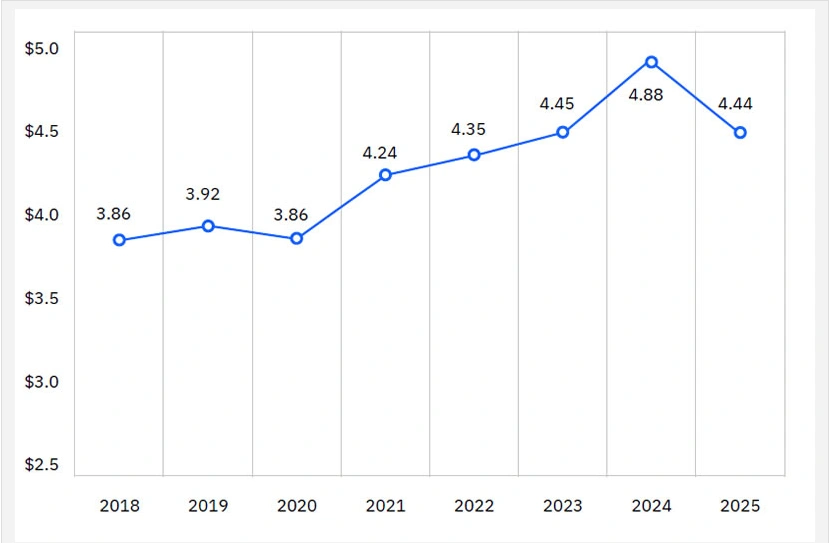
Healthcare breaches averaged $7.42 million per incident in 2025.
That’s the highest cost of any industry.
Standard platforms log logins, not clinical actions.
You need to know who touched what, and when.
3. Vendor Contracts Extend Your Risk
Any vendor touching ePHI needs a signed business associate agreement.
That includes your cloud host, analytics tools, and messaging apps.
Most ready made stacks quietly add subcontractors you never vetted.
4. Risk Analysis Is A Living Requirement
HIPAA expects ongoing risk analysis, not a one time audit.
Threats and technology both keep changing after launch.
A static compliance certificate does not protect a moving system.
Where HL7 And EHR Integration Decides The Outcome

1. EMR Integration Breaks Generic Platforms Fast
About half of hospitals still struggle exchanging data across platforms.
Generic apps assume one vendor’s API and one data shape.
Real clinics run three or four systems that disagree with each othe
2. HL7 And FHIR Are The Real Access Layer
FHIR defines how clinical data gets structured and shared.
SMART on FHIR adds the authorization layer on top of that..
Scopes like patient context and token introspection control exactly who sees what.
Getting this layer wrong creates either data gaps or PHI exposure.
3. Appointment Scheduling Software Needs Clinical Context
A booking slot means nothing without provider type and visit reason.
Generic scheduling tools treat every appointment the same way.
Custom scheduling logic reflects how your specific care teams actually work.
4. Patient Management Software Must Reflect Care Teams
Care coordination involves more than one provider per patient.
Standard role models are usually too broad for this.
We model access around your actual care team structure, not a generic template.
What Buy vs Build Actually Costs You
| Factor | Buy | Build |
|---|---|---|
| Pricing model | Per-seat subscription | One-time build cost |
| Year one cost | $500 – $3,000/month | $40,000 – $500,000+ |
| Time to launch | 2 – 6 weeks | 8 weeks – 14 months |
| 3-year cost | $60,000 – $200,000+ | $10–30K/year maintenance |
| HIPAA compliance | Baseline + needs setup | Built into architecture |
| EHR/HL7 integration | Limited to vendor support | Matched to your exact stack |
| Vendor lock-in | High | Low |
This table shows year-one price rarely matches year-three price.
Custom software development costs more now but saves you later.
Get this right, and you stop paying for the same problem twice.
What Happens When You Try To Leave Your Healthcare Vendor

1. Data Export Rights Aren’t Full Rights
Most contracts guarantee patients access to their own records.
They rarely guarantee your practice a full export of its data.
Custom fields and proprietary schemas often stay locked to that vendor.
2. Vendor APIs Can Change Without Warning
SaaS platforms update their APIs on their own release schedule.
Your integrations can break the day they push an update.
You find out when a sync job silently fails.
Custom integration layers give you control over when and how upgrades happen.
3. Consent Records Don’t Always Transfer
Patient consent and authorization history often live inside vendor specific tables.
Moving platforms can mean rebuilding consent tracking from scratch.
Regulators expect an unbroken consent trail, not a gap at migration.
Where AI Actually Fits Inside Healthcare Apps Today

1. AI Catches Risk Before Humans Do
Manual chart review misses patterns across hundreds of records.
Our AI solutions surface anomalies in access patterns and clinical data early.
That catches both compliance risk and clinical risk before they escalate.
2. Clinical Documentation Gets Faster Not Riskier
Ambient documentation tools cut note-taking time significantly.
Poorly built ones leak PHI into third-party language models.
Documentation AI has to stay inside your compliance boundary.
3. Predictive Scheduling Cuts No-Shows
No-show models flag high-risk appointments in advance.
Front desk teams can confirm or fill those slots early.
That protects revenue without adding staff workload.
What Happens Once You Choose to Build
1. Compliance Gets Mapped Before Code Starts
We sit with your team before writing a line of code.
Every workflow gets checked against HIPAA safeguard requirements early.
That prevents expensive compliance rework after launch.
2. We Build The Differentiating Layer With You
Your clinical logic, scheduling rules, and patient experience get built custom.
Commodity infrastructure gets configured, not reinvented from scratch.
This keeps cost focused where it actually creates value.
3. Real Workflows Get Tested Before Launch
Clinicians and staff test actual workflows first.
Feedback shapes the build, not a patch later.
Nothing reaches a patient until your team trusts it.

Healthcare software is getting harder to buy off the shelf.
Every month you wait, workaround debt gets more expensive to unwind.
FAQs
Some EHR vendors gate their APIs behind extra fees or approval delays. We build against whatever access tier you already have, HL7 v2 included. If access improves later, we extend the integration instead of rebuilding it.
Yes, and this is often the smartest path. Many teams buy first, then build the differentiating layer once patterns emerge. We help you set the exact trigger point for that shift in advance.
Not if it is designed in from the start. Compliance work only slows launches when it gets added after the fact. We build safeguards alongside features, not after them.
No. We configure roles, audit logging, and integrations before your first user logs in. Your team runs the clinical operation. We handle the system underneath it.
Nothing gets replaced until the new system is fully tested. Your historical data and current systems keep running throughout the build. We only cut over once your team has confirmed everything works.