Vehicle tracking software cuts fuel waste and idle time costs by connecting gate, weighbridge, and dock events to idle data. It exposes the dwell time your fuel reports never show. Plants act on that number instead of guessing at it.
Do you know how many hours your fleet idles inside your own gates,
not on the highway?
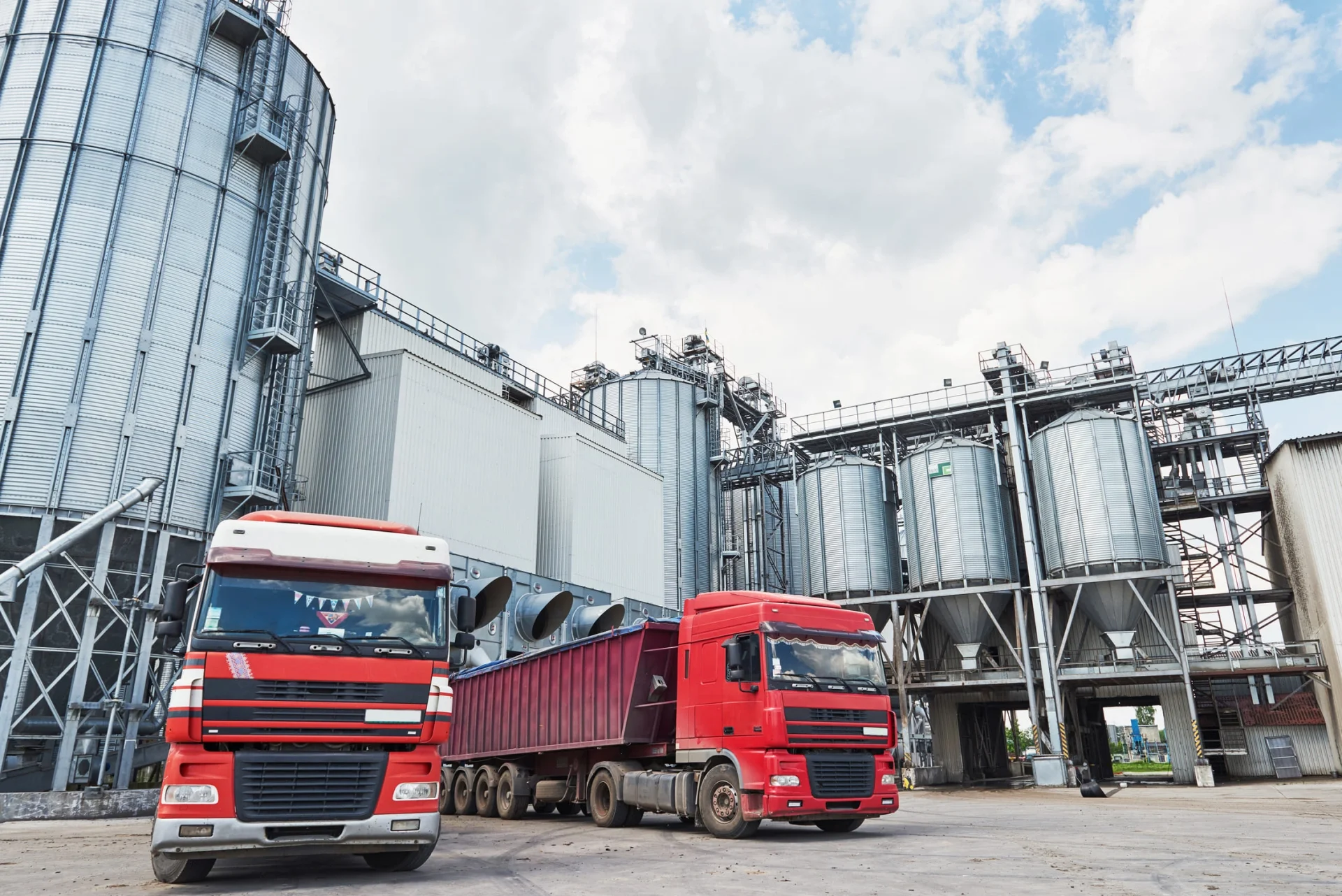
A truck reaches your plant at 7 AM.
Security checks delivery papers by hand.
20 minutes disappear at the gate.
Weighbridge queue adds another 30 minutes.
The loading bay is still occupied.
Driver keeps the engine running the whole time.
Nobody logs any of it.
The fuel report at month end shows nothing unusual.
But the production line waited on that pallet,
and nobody can say why.
What Is Driving Vehicle Tracking Adoption in Manufacturing?
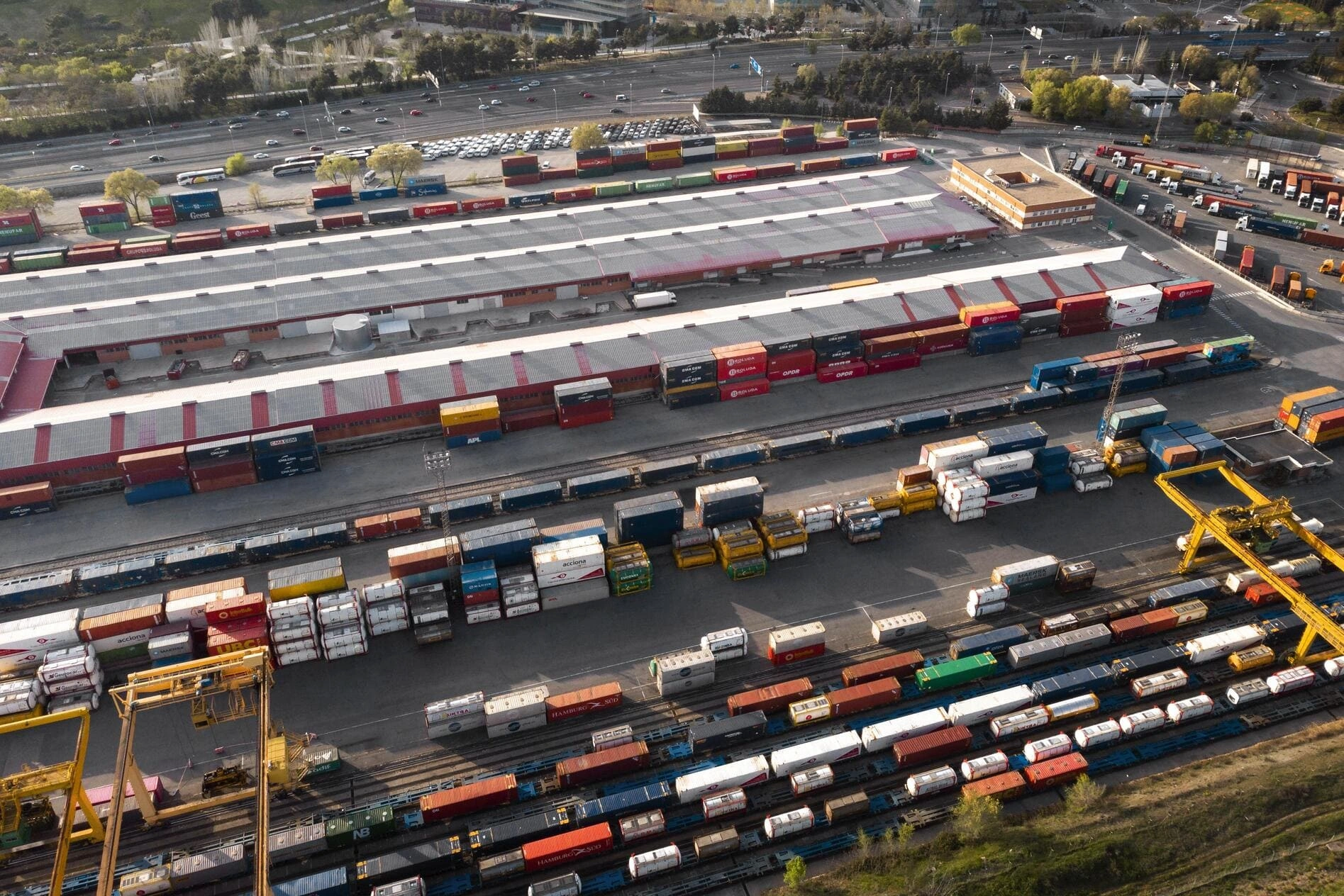
1. Manufacturing Fleets Have Outgrown Manual Tracking
The fleet management market is projected to grow from
$37.71 billion in 2025 to $70.26 billion by 2030, at a 13.3% CAGR.
Asia-Pacific is the fastest-growing region in this market.
That growth is not coming from bigger fleets alone.
It is coming from plants realizing pen-and-paper coordination cannot scale with it.
2. Fuel Costs Are No Longer Predictable
For years, fuel sat around 30% of road transport operating costs.
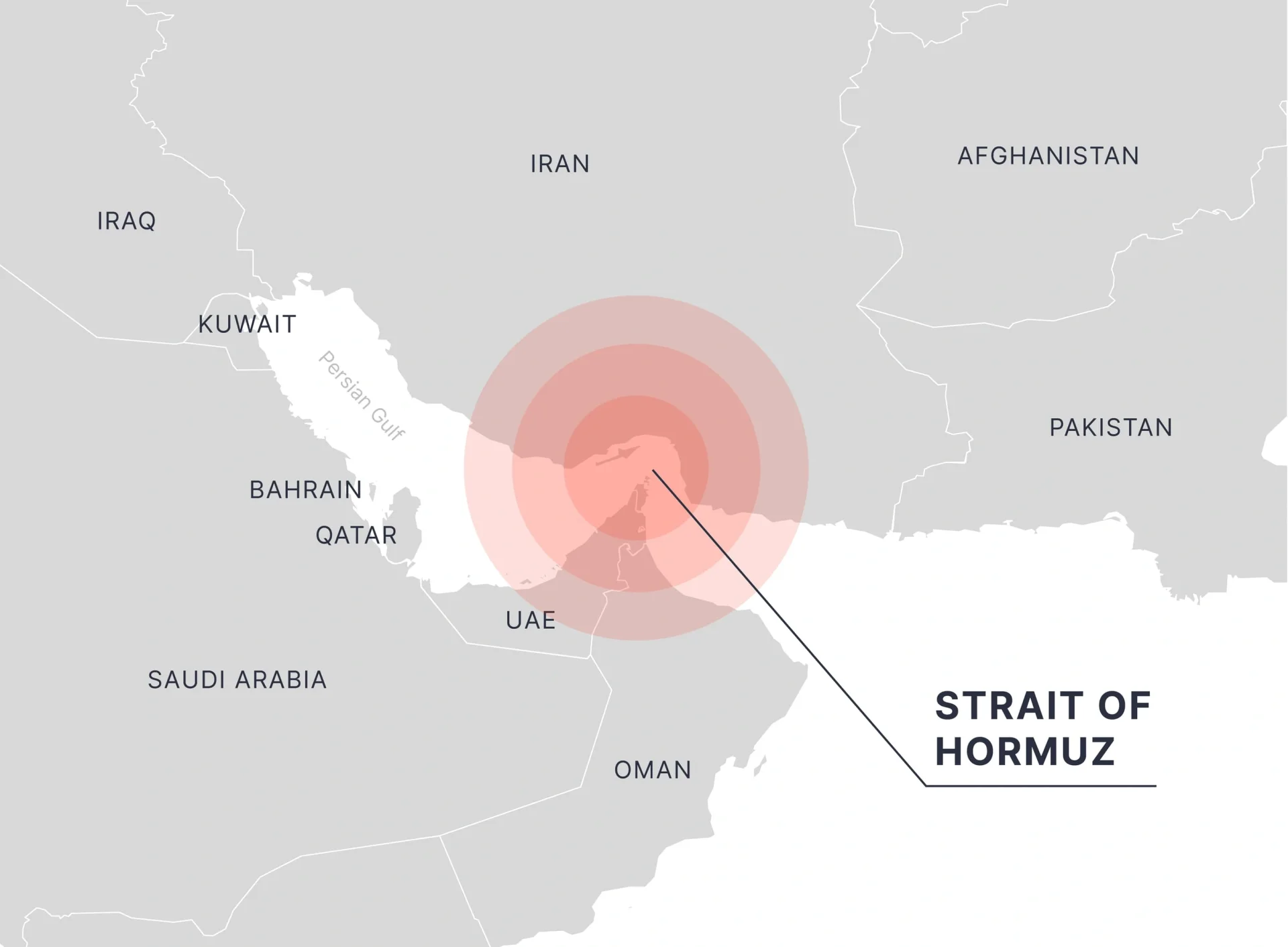
After the March 2026 Strait of Hormuz crisis, that share jumped to 50%.
Diesel prices in the same window rose 36% year over year.
A plant that could absorb idle waste in 2024 cannot absorb it at these margins.
3. Idle Time Was Already Costing Millions
Unplanned manufacturing downtime already averages $260,000 per hour.
Between 5% and 15% of fleet fuel spend is lost to idling alone.
Commercial vehicles waste close to 6 billion gallons of fuel a year through idling.
Fuel prices rising 36% does not create this problem.
It just makes ignoring it unaffordable.
Where Idle Time Is Draining Fuel Budgets Inside Your Plant
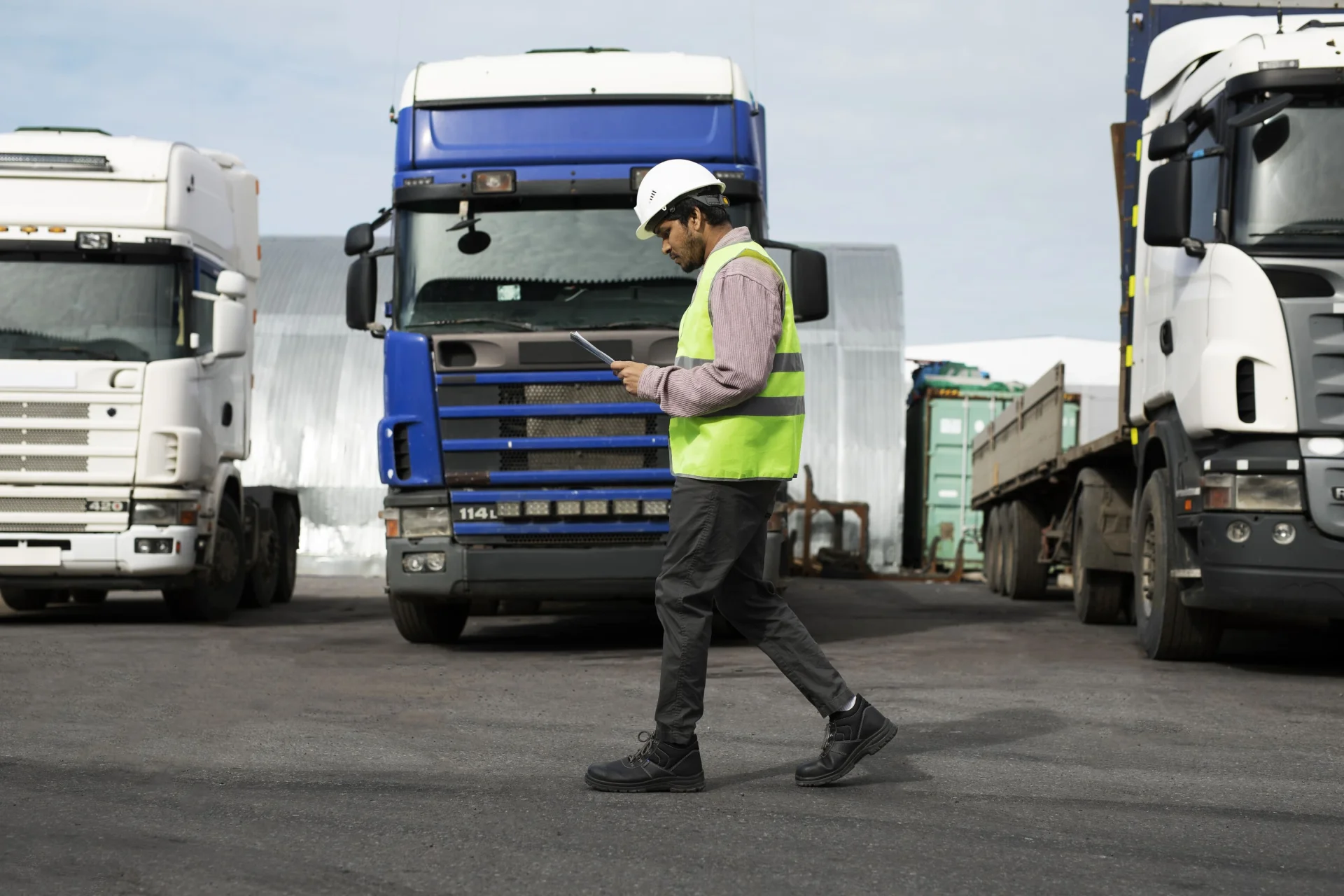
1. Engine Hours Reveal What Mileage Reports Hide
Mileage reports only show distance traveled.
A vehicle burns fuel standing completely still.
Engine hour tracking through vehicle telematics catches this.
This is the number odometers cannot see.
2. Forklifts And Yard Trucks Remain Unnoticed
Forklifts idle between pallet pulls all shift.
Yard trucks sit unused across plant zones.
Indoor asset tracking catches idle time GPS misses.
These vehicles often burn more fuel than trucks.
3. Dock Dwell Time Delays Your Production Line
A truck waiting means your line waits.
Dock dwell time is production downtime in disguise.
Automotive plants lose $2.3 million per hour to downtime.
Idle vehicles are stacking directly toward that number.
4. Fuel Reports Mask Idle Cost Every Month
Fuel reports show gallons per mile only.
Idle hours never show up in that number.
A vehicle idling looks normal on paper.
The real fuel waste stays invisible until tracked.
How Vehicle Tracking Software Cuts Fuel And Idle Costs
1. Telematics Turns GPS Into Fuel Data
GPS shows where a vehicle sits.
Telematics adds engine-hour data on top.
Together, they show fuel burning without movement.
This is where idle waste finally becomes visible.
2. Weighbridge Data Connects With ERP
Weighbridge automation logs vehicle arrival and departure.
That data means nothing sitting outside your ERP.
Once linked, delay gets attributed to one exact stage.
Transport delay and production delay finally share one number.
3. Geofencing Turns Location Into Plant Events
Geofencing sets dwell time limits by zone.
A gate, a bay, and a weighbridge get different rules.
The moment a vehicle breaks a limit, dispatch gets notified.
This is automation, not another report read after the fact.
4. Vehicle Access Control Closes The Loop
It logs who entered and when.
That entry log now sits next to idle time.
Security, dispatch, and fuel teams read the same record.
No department chases another department’s paperwork anymore.
Plant Reality: Manual Fleet Logs vs Vehicle Tracking Software
| Scenario | Manual Fleet Log | Vehicle Tracking Software |
|---|---|---|
| Idle time visibility | Recorded only if someone logs it | Captured in real time by zone |
| Gate to dock delay | Invisible between two paper entries | Timestamped as a plant event |
| Fuel waste detection | Found in a monthly total | Flagged the hour it happens |
| Route deviation | Unnoticed until something breaks | Detected the moment a vehicle detours |
| Fuel pilferage detection | Found only when tanks run low | Spotted instantly via fuel-level anomalies |
| Cross-shift handoff | Next shift searches manually | Status carries over automatically |
| Engine health signals | Surface only after breakdown | Picked up early via engine-hour data |
This table above showcases that Manual logs record history,
and tracking software records events as they happen.
Closing that gap starts with custom software development built around your plant’s actual zones.
That’s how you get an idle number your team can act on the same shift.
Not one you catch after it’s already cost you.
Vehicle Monitoring App for a Manufacturing Plant

The manufacturing client tracked vehicles with pen and paper for years.
In plant operations where:
Drivers lined up outside the gate with no visibility.
Loading teams waited without any status updates.
Billing delays pushed vehicle exit times further out.
Communication gaps slowed down every phase.
What We Built to Track Vehicles
We digitized the entire vehicle flow from arrival to exit.
From entry → loading → QC → billing → clearance.
Each phase became a tracked digital step with role-based access.
Operational Impact After Launch
| Area | Result |
|---|---|
| Vehicle Entry Logging | Fully digital with a timestamped trail |
| Loading and QC Coordination | Real-time status visible to every role |
| Billing and Exit Clearance | Instantly visible, no manual follow-up |
| Management Oversight | Centralized reporting across every location |
This isn’t just about the system going digital.
This is what happens when the right workflow replaces paper.
Want to see how we mapped the vehicle journey?
How Long Will Your Plant Keep Absorbing These Losses
If fuel waste and idle time are draining your revenue, here’s how we fix it.
1. Every Wait Point Gets Mapped First
Gate flow, weighbridge queues, dock allocation, all get audited.
Yard movement gets documented before a single line of code.
Every delay point gets recorded, nothing gets assumed.
The audit becomes the blueprint for everything that follows.
2. The System Gets Built Around Integration
Telematics, geofencing, and access control connect into one layer.
Everything ties into your existing ERP or WMS directly.
Idle data sits next to production data, not apart from it.
Nothing lives inside a separate standalone app.
3. Zone Rules Get Configured Before Anyone Logs In
Idle thresholds get set for every zone in advance.
Alerts and role access get configured before go-live.
Your team runs the operation from day one.
The system runs underneath it, out of the way.

Every month without visibility is a month of idle cost.
That cost keeps compounding until someone connects the data.
We will connect it before it costs another quarter.
FAQs
GPS shows where a vehicle is, not why it stopped moving. Weighbridge queues, dock dwell, and in-plant idling stay invisible to it. We add engine-hour data and zone rules on top, so idle time shows up as a number you can act on.
Yes. We map your weighbridge, gate, and dock data first, then build around what you already run. Nothing gets replaced, we connect what exists.
It depends on your zones, roles, and integrations. We scope the timeline during the audit, before work starts. Most plant systems go from audit to go-live within a few months.
That’s a practical starting point. We start with your highest-leakage zone and expand from there. You see results before committing to the full system.