Cold chain logistics platforms prevent spoilage by replacing manual temperature checks with continuous monitoring, automatic deviation alerts, and real-time control across every point where exposure risk is highest.
Are you preventing temperature breaches in transit
or only discovering spoilage once it’s too late?
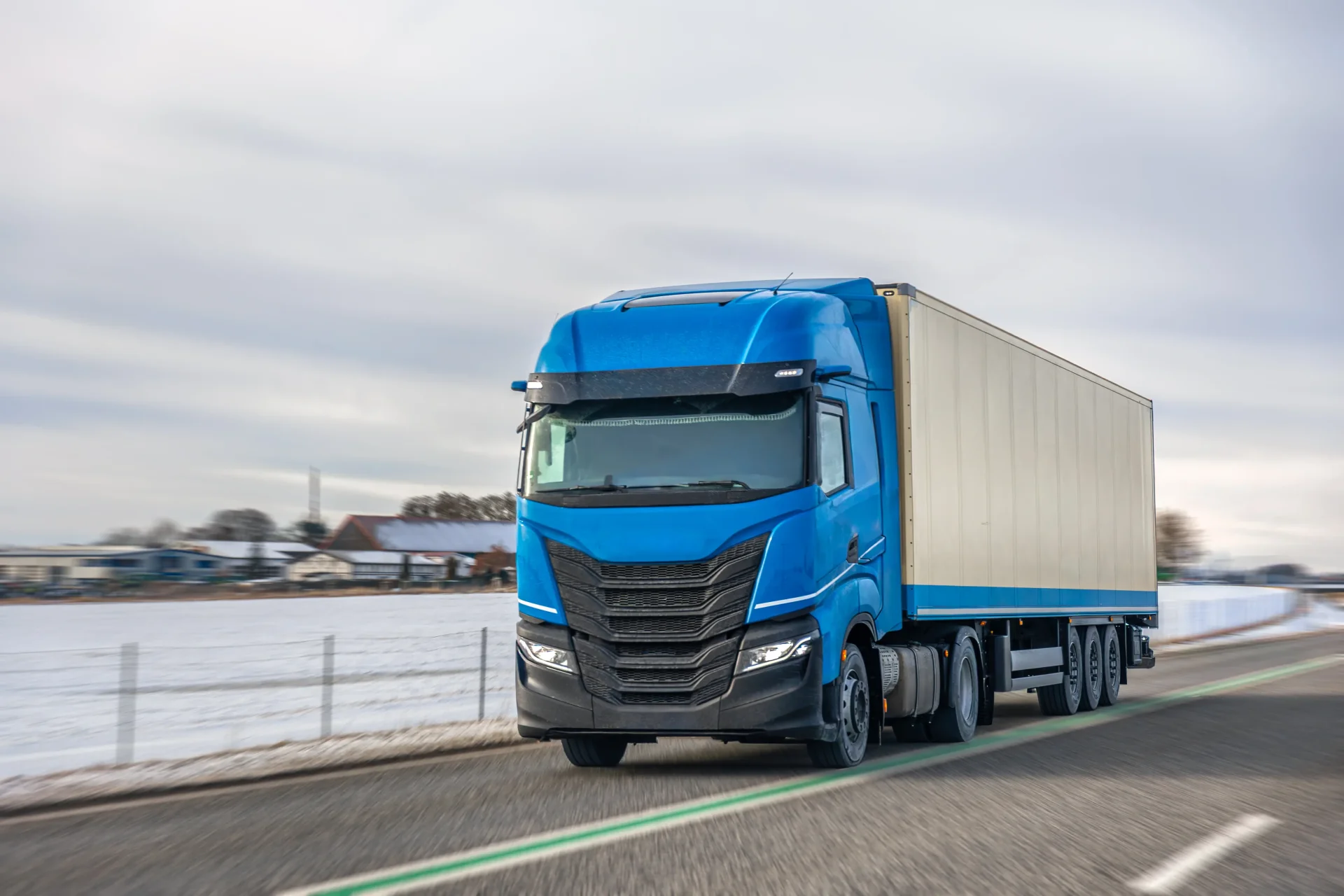
A frozen seafood shipment left the warehouse at -20°C.
The reefer was running and the driver had confirmed departure.
Four hours later, a loading delay hit at the second stop.
No alert fired. Nobody intervened.
By the time the batch reached the distributor, temperature had crossed threshold during that idle window.
The entire shipment was rejected.
Most cold chain losses are not caused by reefer failures.
They happen because nobody built a system that catches exposure when it begins.
Cold Chain Losses Are Scaling Faster Than Operations

1. Billions Are Lost Before Products Reach Delivery
The pharmaceutical cold chain loses $20–35 billion every year.
Vaccines, insulin, and temperature-sensitive drugs are discarded before delivery.
Not because demand dropped.
Because temperature control failed somewhere in transit.
2. Temperature Failures Are Driving Massive Food Waste
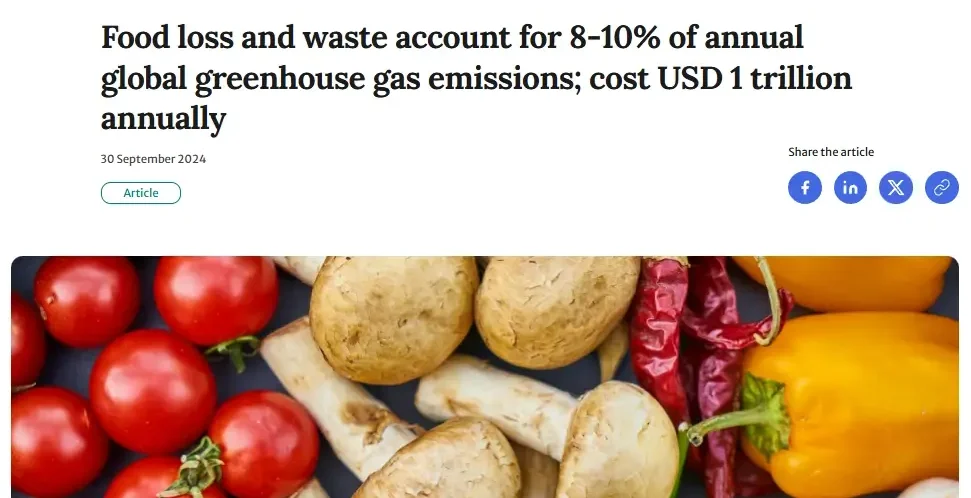
Transit breakdowns contribute to a $1 trillion global food waste problem.
The loss is bigger than spoiled inventory.
It impacts exports, shelf life, supply planning, and customer trust.
3. The Market Is Growing Faster Than Operational Control
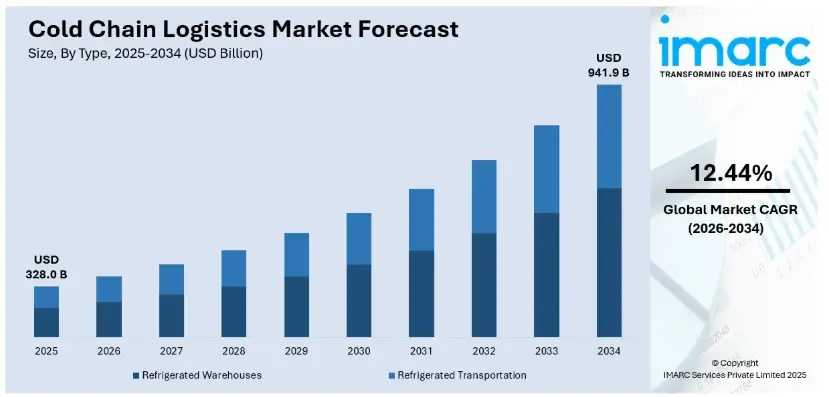
The global cold chain logistics market is now worth over $300 billion.
Pharma, seafood exports, dairy movement, and grocery delivery continue scaling rapidly.
But shipment volume does not reduce spoilage risk.
Operational visibility does.
Spoilage Is a Visibility Failure, Not a Refrigeration Failure
Most operators assume the shipment is safe because the temperature looks stable.
That assumption is where the loss starts.
| Stage | Transit Event | Consequence |
|---|---|---|
| Stable Movement | Temperature within limit | Shipment assumed safe |
| Micro Deviation | ±1–2°C fluctuation | Early warning missed |
| Delayed Response | Alert raised. No intervention. | Product continues degrading. |
| Extended Exposure | Breach continues over time | Product quality starts dropping |
| Transition Failure | Loading or handover delay | Major spoilage risk introduced |
| Compounded Stress | Delays and exposure stack | Damage hidden until inspection |
| Post-Delivery Discovery | Issue found after arrival | Full batch rejected |
How Cold Chain Logistics Platforms Control Spoilage Risk
1. Continuous Monitoring Replaces Manual Checks
Temperature data moves continuously from vehicle to system.
The moment a deviation starts, alerts are triggered automatically.
Real-time IoT monitoring enables continuous visibility in refrigerated transport.
Teams respond during the exposure window, not after delivery failure.
2. Shipment Visibility Removes Operational Blind Spots
Pickup, transit, handovers, and delivery stay visible in one system.
Operations teams no longer depend on driver calls for shipment updates.
Everyone involved tracks the same live movement status.
3. Reefer Matching Stops Wrong Temperature Allocation
Most fleets assign loads based on availability and route.
The platform matches loads using temperature capability, route, and cargo type together.
Reefers get assigned based on actual cooling requirements.
4. Critical Shipment Alerts Surface First
The platform flags only loads that need intervention.
Temperature breaches, route delays, idle reefer time, and failed handovers surface automatically.
Teams stop chasing every shipment manually.
5. Compliance Stops Depending on Human Reporting
Pharma and food logistics require continuous temperature documentation.
Manual logs and verbal updates cannot support audit-heavy operations at scale.
The platform records compliance data throughout the shipment lifecycle.
Do you still believe your current setup covers all of this?
You ain’t the only one.
Most exposure happens under false confidence.
The next section shows where your operations actually fail.
Traditional Cold Chain Vs Platform-Connected Cold Chain
| Capability | Manual Operation | Connected Platform |
|---|---|---|
| Temperature Monitoring | Periodic checks | Continuous live tracking |
| Excursion Detection | Detected after delivery | Detected during exposure |
| Shipment Visibility | Driver-based updates | Real-time movement visibility |
| Handover Control | Transfer gaps stay invisible | Every handover tracked |
| Proof of Delivery | Paper confirmation | Timestamped digital proof |
| Audit Readiness | Manual compliance records | Live audit trail |
| Team Coordination | Calls and follow-ups | Shared live system |
| Reefer Allocation | Assigned by availability | Assigned by temperature spec |
| Exception Handling | Every load monitored manually | High-risk loads flagged automatically |
| Operational Control | Decisions through coordination | Decisions through live data |
This table makes one thing clear.
Most systems are built to show movement, not control outcomes.
That’s why cold chain systems must reflect how your business runs.
This is where custom software development becomes the right approach.
How ShipSwift Runs Cold Chain for 10,000+ Businesses
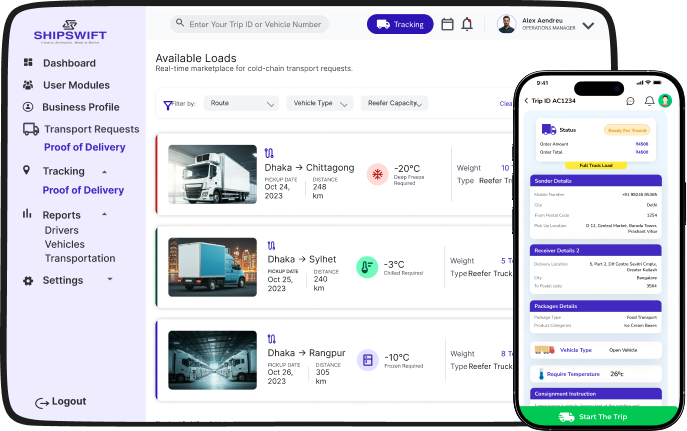
ShipSwift operates a cold chain logistics platform across Bangladesh.
Their Freight was moving. Temperature visibility wasn’t.
Every status update needed a call.
Every product spoilage was discovered after delivery.
How We Built One Connected Cold Chain System
We built it around how cold chain operations actually run.
One system connecting four roles across every transition point.
Impact on Supply Chain Operations
| Execution Metric | Outcome |
|---|---|
| Carrier Cost Reduction | Up to 88% through optimized load matching |
| Businesses Onboarded | 10,000+ across supply chain networks |
| Labels Processed | 50,000+ per hour via batch automation |
| Operational Downtime | Zero through 24/7 automated management |
The cargo stayed the same.
What changed was how it’s moved, tracked, and controlled.
That’s what now powers refrigerated transport services for businesses.
Want to see how we solved the temperature visibility gap?
How Much More Product Loss Are You Going to Bear?
1. We Start With Cargo Requirements
Most platforms are adapted for cold chain after they are built.
We start with the shipment itself.
Every workflow is mapped around how the cargo actually needs to move.
The system is shaped by the operation, not the other way around.
2. Every Role Operates On Its Own Workflow
A dispatcher, a driver, and an operations manager don’t work the same way.
Forcing them into one interface breaks field adoption and data quality.
We design each role around what they actually do in the field.
3. Controls Are Applied Before Dispatch
Most systems record what already happened.
The platform is built for what must be controlled right now.
Routing and handling rules are enforced before movement starts.
They drive decisions in real time.
4. What Goes Live Already Matches Ground Conditions
Each reefer threshold is configured before the first trip runs.
Transition point alerts are stress-tested against actual handover gaps.
Execution already knows what to do.

Cold chain operations don’t fail on the long haul.
They fail in the gaps nobody built a system around.
FAQs
Tracking systems show movement. They do not control outcomes. Spoilage happens at transition points like loading delays, idle windows, handover gaps where a tracking system has no intervention logic built in. That is the gap we build around.
General logistics systems are retrofitted for cold chain after the fact. We start with the cargo temperature range, product sensitivity, handover risk and build the operational logic around that. The difference shows up the first time a deviation needs to be caught before it becomes a loss.
Multi-stop sequencing and handover control are built into the matching and alert logic from the start. Visibility does not drop between nodes. Every transition point is accounted for before the first live shipment runs.
The alert reaches the right person with shipment details, location, and breach duration the moment deviation starts. Your team responds during the exposure window. Not after the distributor rejects the batch.
Every temperature log, handover record, and proof of delivery is attached to the shipment automatically. When an audit comes, the documentation is already there. Nothing gets assembled manually after the fact.