The right database for Flutter app development depends on whether your app needs speed, real-time updates, or offline access. Firebase suits chat and live-tracking apps, SQLite works for simple offline tools, and MongoDB or PostgreSQL fit apps built to scale.
Why Database Choice Matters in Flutter App Development
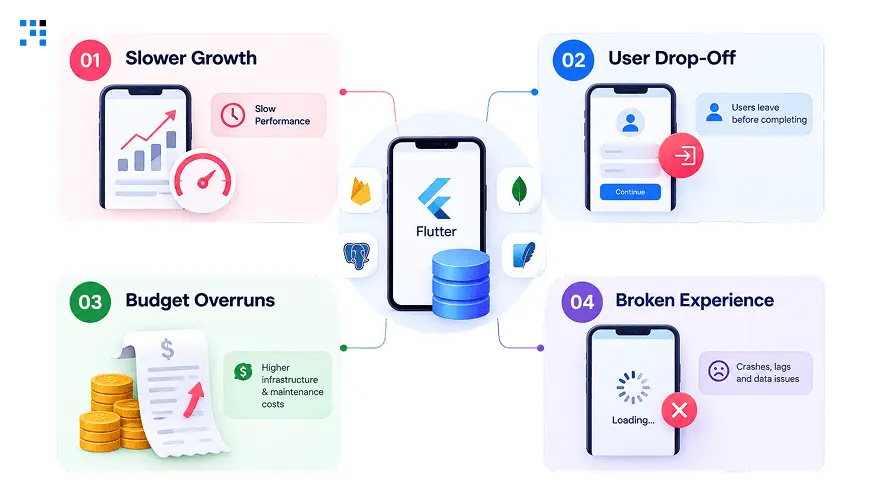
1. Slower Growth
A wrong database choice often stays hidden at launch.
Problems show up only once real users arrive.
Scaling then becomes harder and considerably more expensive to fix.
Early planning avoids this entire situation.
2. User Drop-Off
Users leave apps that take too long to load data.
Every extra second of delay increases abandonment rates.
This directly affects app store ratings and reviews.
A fast, responsive database protects that user trust.
3. Budget Overruns
Switching databases mid-project is rarely simple or cheap.
Poor early choices often inflate development budgets significantly.
Teams end up paying twice for the same feature.
Getting it right early saves real money.
4. Broken Experience
Offline access or real-time updates failing frustrates users instantly.
A mismatched database breaks core parts of the experience.
This damages trust in the product early on.
The right choice prevents this entirely.
Key Factors to Consider in Flutter App Development
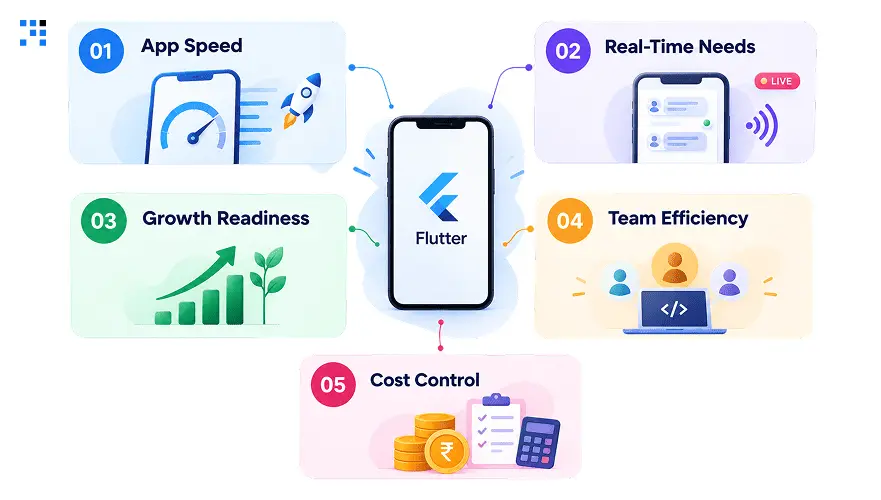
1. App Speed
Slow data loading pushes users toward competitor apps quickly.
The right database keeps queries fast and consistent.
This matters most during peak usage moments.
Speed becomes a competitive advantage, not just a feature.
2. Real-Time Needs
Apps like chat tools or live trackers need instant updates.
Firebase and Supabase handle this kind of demand well.
Users expect information to update the moment it happens.
Delayed updates quickly feel broken to them.
3. Growth Readiness
Your app may launch small but grow unexpectedly fast.
Planning for scale early prevents painful migrations later on.
Databases like PostgreSQL or MongoDB support this kind of growth.
This foresight saves both time and money.
4. Team Efficiency
A database with strong integration support saves development time.
Fewer bugs mean fewer delays before launch.
This keeps your team focused on features, not fixes.
Efficient tooling directly speeds up your timeline.
5. Cost Control
Usage-based pricing models can become expensive as apps scale.
Self-hosted databases often cost more to set up initially.
Over time, though, they become significantly more cost-effective.
Balancing these costs protects long-term profitability.
Popular Databases for Flutter App Development (with Pros & Cons)
1. MySQL
MySQL has been around for decades and is still a top choice for many apps.
When you have used PHP & Laravel as the backend for your Flutter app, MySQL is one of the best options.
Pros:
- Highly reliable for structured data.
- Large community and plenty of support.
- Works well for enterprise-level applications.
Cons:
- Not ideal for highly dynamic, unstructured data.
- Real-time capabilities require additional setup.
We suggest MySQL when your Flutter app needs strong consistency, structured records, and well-defined relationships.
2. MongoDB
MongoDB is a flexible, NoSQL database that works great for apps where data doesn’t always fit into a rigid table.
When you have used NodeJs as the backend for your Flutter app, MongoDB is one of the best options.
Pros:
- Perfect for unstructured and semi-structured data.
- Scales easily as your app grows.
- Great fit for real-time, content-heavy apps.
Cons:
- Requires proper indexing to avoid performance slowdowns.
- Can be costlier to manage at scale.
We suggest MongoDB for content-driven apps and apps where users generate a lot of varied data.
3. PostgreSQL
PostgreSQL is known as the “developer’s database” because it is powerful, scalable, and flexible.
Pros:
- Excellent for handling large datasets.
- Supports both structured (SQL) and unstructured (JSON) data.
- Advanced features for analytics and performance tuning.
Cons:
- Slightly more complex to manage than MySQL.
- Needs expert setup for scaling.
We suggest PostgreSQL when building large-scale Flutter apps that demand performance, scalability, and complex queries.
Explore the Comparison of MongoDB vs PostgreSQL.
Real Flutter App Development Decisions We’ve Made
1. Tasty Meal Recipes: MongoDB
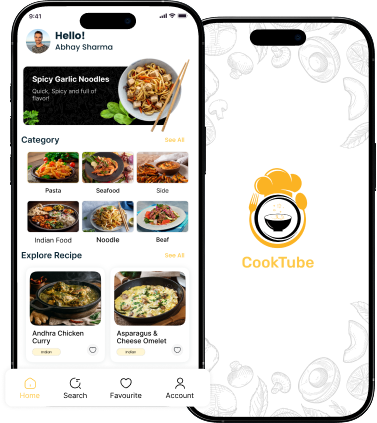
This recipe app needed to handle images, steps, and comments.
MongoDB managed this varied content smoothly and reliably.
Users could browse thousands of recipes without lag.
The app stayed fast even as content grew.
2. Self-Study: MongoDB
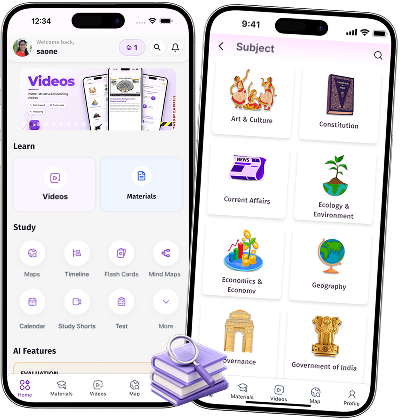
This UPSC preparation app needed to store videos, tests, and discussions.
MongoDB’s flexibility supported this variety of content types easily.
As student numbers grew, performance stayed consistent.
Real-time updates kept the learning experience smooth throughout.
3. CountMee:MySQL
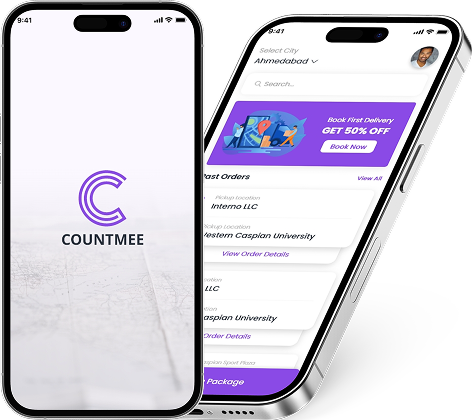
CountMee, a logistics app, needed accurate, structured records at scale.
MySQL ensured deliveries, routes, and invoices stayed consistent.
Businesses could track operations without data mismatches.
This reliability became critical as delivery volume increased.
There’s no universal winner in Flutter app development.
The right database always depends on your app’s specific features, users, and long-term growth plans.
Why You Can Trust Us With Your Flutter App Development
1. Proven Delivery
We’ve shipped Flutter apps across the recipe, education, and logistics industries.
That range of experience shapes smarter, more informed recommendations.
Each project teaches us something applicable to the next.
This experience directly benefits every new client.
2. Business-First Thinking
Business goals get evaluated before recommending any technology.
Every technical decision ties back to what you actually need.
This keeps recommendations practical, not just theoretically correct.
Your goals always shape the final approach.
3. Long-Term Planning
Scale gets planned for from the very first decision.
This approach helps clients avoid expensive migrations down the road.
A little foresight early on saves significant cost later.
Growth becomes manageable instead of disruptive.
4. Transparent Trade-Offs
Cost, speed, and scalability trade-offs get explained clearly upfront.
You’ll always understand exactly why a database was chosen.
No decision happens behind closed doors.
This transparency builds real trust throughout the project.
5. Ongoing Support
Our involvement doesn’t end the moment your app launches.
We help monitor performance as your user base grows.
Issues get caught early, before they affect real users.
This ongoing support protects your investment long-term.
FAQs
It depends on whether your app needs real-time updates, offline access, or structured records. We walk founders through this early so the choice supports growth instead of blocking it later.
Yes, switching databases after launch usually means data migration, re-integration, and thorough testing. We help clients get this decision right from the start to avoid that added cost.
Not always. Firebase works well for real-time apps, but usage-based pricing can get expensive as you scale. We help weigh this against self-hosted options based on your specific budget.
It depends on the database and how the app is structured from day one. We plan for scale early so a spike in users doesn’t require rebuilding the backend later.
Timelines vary by app complexity, but we prioritize getting the core database structure right before adding features. This keeps future changes simpler, faster, and considerably cheaper down the line.