The best payment apps like Venmo in 2026 are PayPal, Cash App, Google Pay, Apple Pay, Revolut, Wise, Remitly, and Xoom. Each app solves a different gap that Venmo leaves open, including lower fees, crypto support, and cross-border payments. The right choice depends on who you’re sending money to, not on which app is most popular.
How many vendors have you lost to a payment app
that wasn’t built for you?

A logistics marketplace founder signs a new carrier partner.
The deal takes three weeks to close.
On day one, the carrier tries to withdraw a payout.
The app holds it for “review.”
Without any explanation or timeline.
The carrier calls support, and support reads a script.
By day four, the carrier is asking a competitor platform for onboarding instead.
The founder didn’t lose a vendor over price.
They lost one over a payment app that wasn’t built for B2B payout cycles.
Why Payment Experience Became a Competitive Advantage in 2026
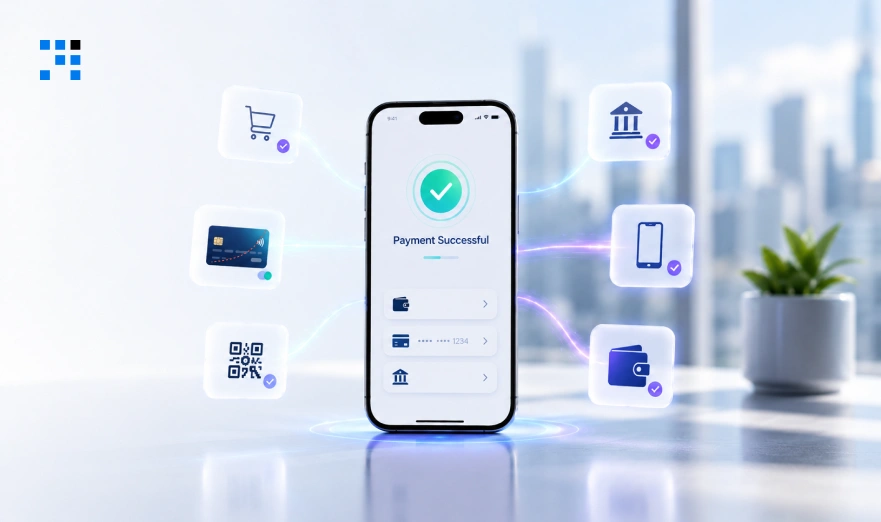
1. Market Is Moving Past Consumer Apps
The global P2P payment market is on track to cross $16.21 trillion by 2034.
That growth isn’t coming from bill-splitting apps.
It’s coming from platforms building payouts, escrow, and cross-border B2B transfers.
Every quarter, more of that volume shifts away from generic consumer tools.
2. Instant Is the Expectation Now
Over 60% of consumers now rely on P2P platforms for everyday transfers.
Instant has become the baseline, not a bonus feature.
A payout stuck in review just reads as a broken product to your buyer.
Being inside that channel is a competitive moat.
Being outside means the OS routes users elsewhere.
You will see this in your retention data first.
3. The Channel Breakdown
| Payment Channel | What Changed | Business Impact |
|---|---|---|
| Consumer P2P apps | Built for individuals, not platforms | Payout delays, generic checkout |
| Cross-border rails | Fair exchange rates now expected | Vendors leave for better rates |
| B2B payout systems | Compliance is now expected | Regulatory risk remains unmanaged |
Why Venmo Isn’t the Right Fit for Every Business

1. Doesn’t Support Global Payments
Cross-border transfers aren’t built into Venmo at all.
If your vendors sit overseas, payouts stall completely.
That gap alone pushes B2B platforms elsewhere.
It’s one of the first challenges founders face.
2. Limited Payment Flexibility
Every user sees the exact same screen.
A vendor and a shopper need different flows.
Venmo doesn’t separate the two at all.
That mismatch shows up fast at scale.
3. Compliance Requirements Grow With Your Platform
Android 17 can now flag memory issues automatically.
KYC and AML checks were never Venmo’s focus.
Every unmanaged month adds regulatory risk.
Founders usually discover this gap post-audit.
By then, the fix costs far more.
4. Businesses Need More Control Than Venmo Provides
Feature requests to Venmo go nowhere, ever.
Your product timeline can’t run on their backlo
Every delay becomes a competitor’s opening.
Waiting isn’t a strategy, it’s a risk.
Best Payment Apps Like Venmo: The Full 2026 Breakdown
1. PayPal
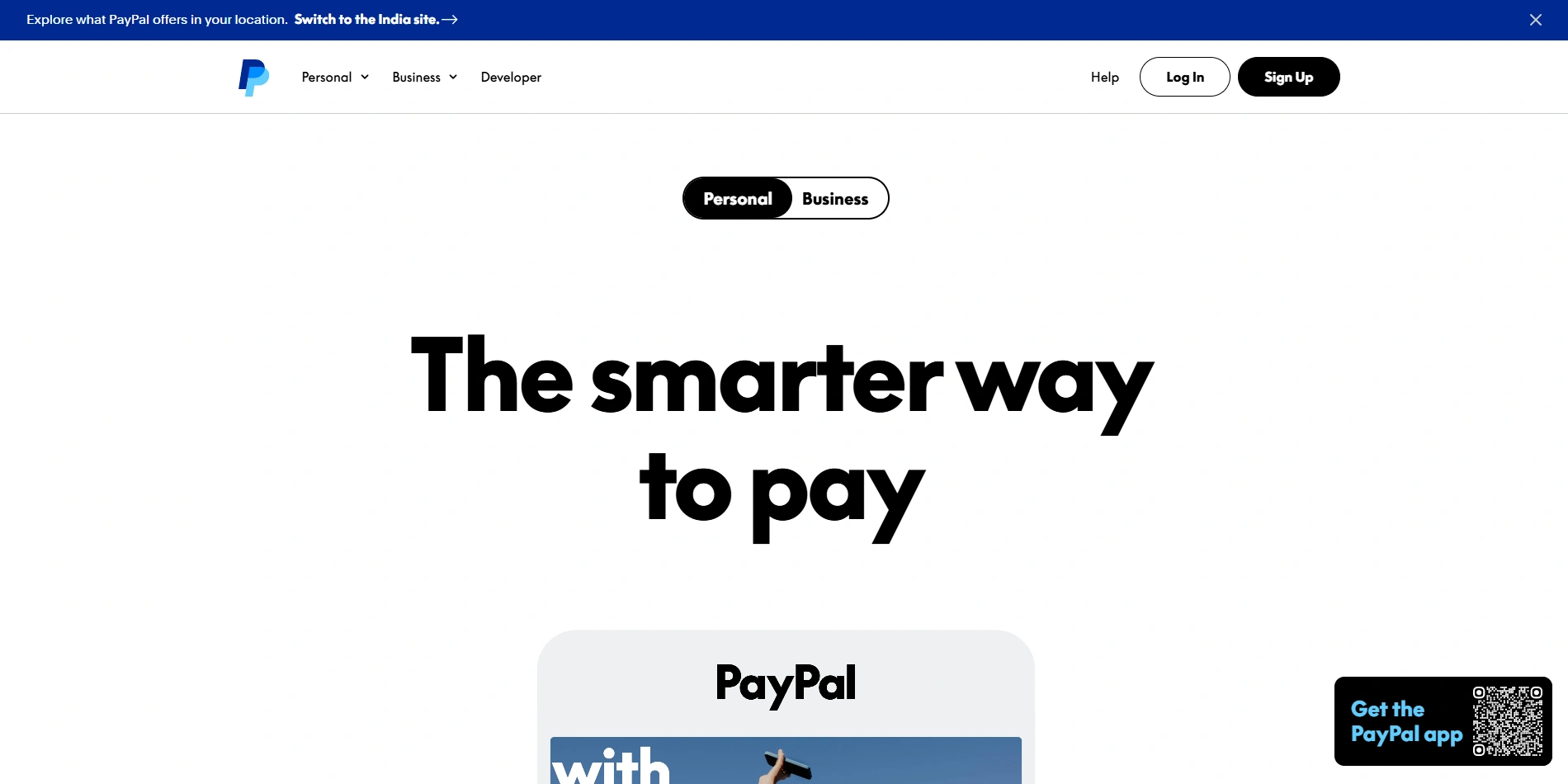
PayPal remains the most recognized name in P2P payments.
It integrates easily with invoicing tools and marketplaces like eBay.
Global reach across 200+ countries makes it strong for cross-border commerce.
Fees run higher than newer alternatives on this list.
2. Cash App
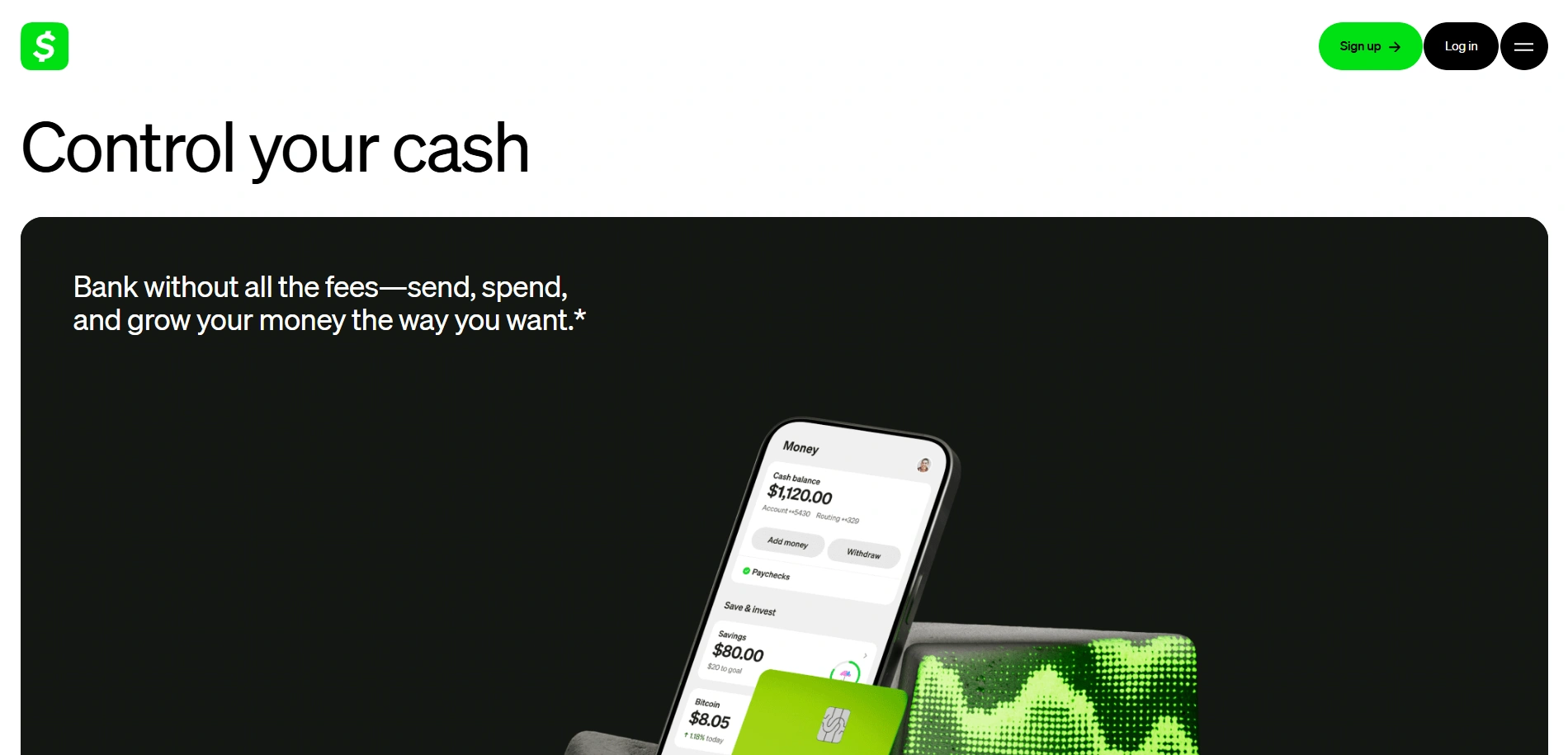
Cash App built its base with a simple social interface.
It bundles Bitcoin trading and stock investing into one app.
Instant deposits cost a small fee, standard transfers stay free.
Security features include PIN, Face ID, and live transaction alerts.
It fits individual users far better than B2B platforms.
3. Google Pay
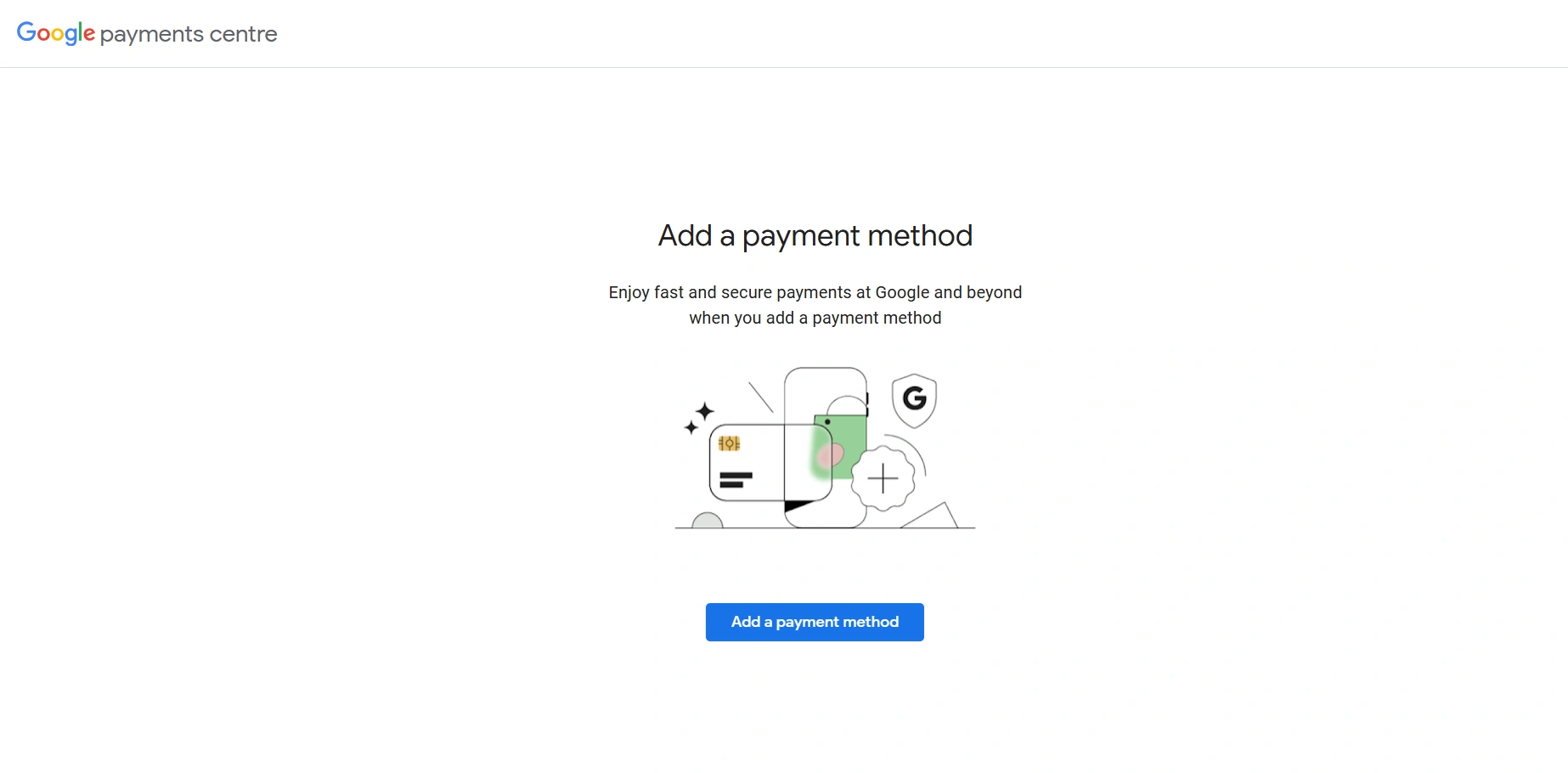
Google Pay blends P2P transfers with contactless NFC payments.
Users send money directly via email or phone number.
It plugs straight into the wider Google ecosystem.
Built-in rewards and cashback offers add extra pull for users.
Small businesses can accept payments through existing Google tools.
4. Apple Pay
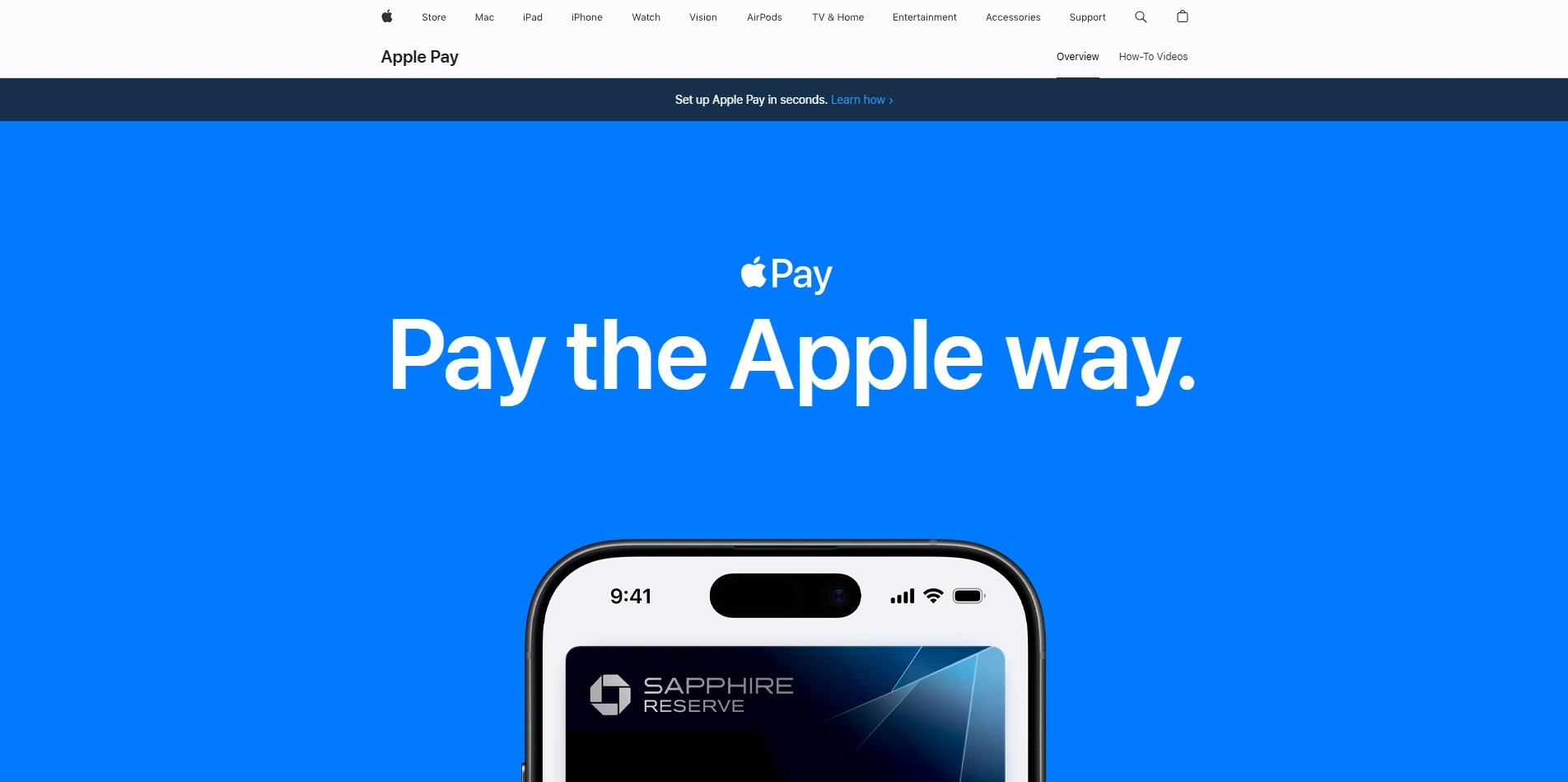
Apple Pay lives inside iMessage, so sending money feels native.
No separate app download is needed for most transfers.
Two-factor authentication and encryption are enabled by default.
Funds move to a bank account or get spent directly.
It only works well within the Apple ecosystem, nowhere else.
5. Revolut
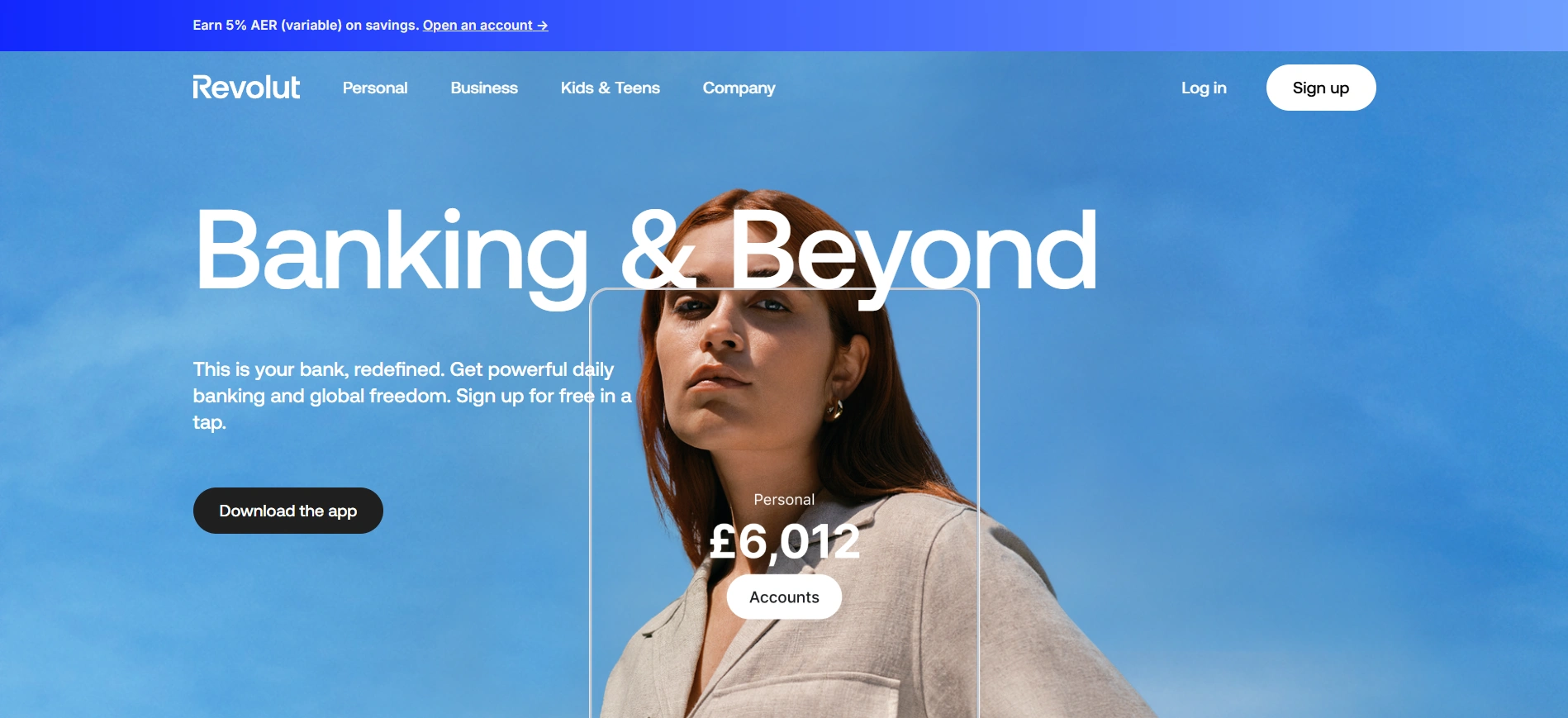
Revolut operates as a full digital banking app, not just P2P.
It offers multi-currency accounts across dozens of currencies.
Budgeting tools and savings vaults come built into the same app.
Exchange rates stay close to true mid-market pricing.
Frequent travelers and distributed remote teams get the most value.
6. Wise
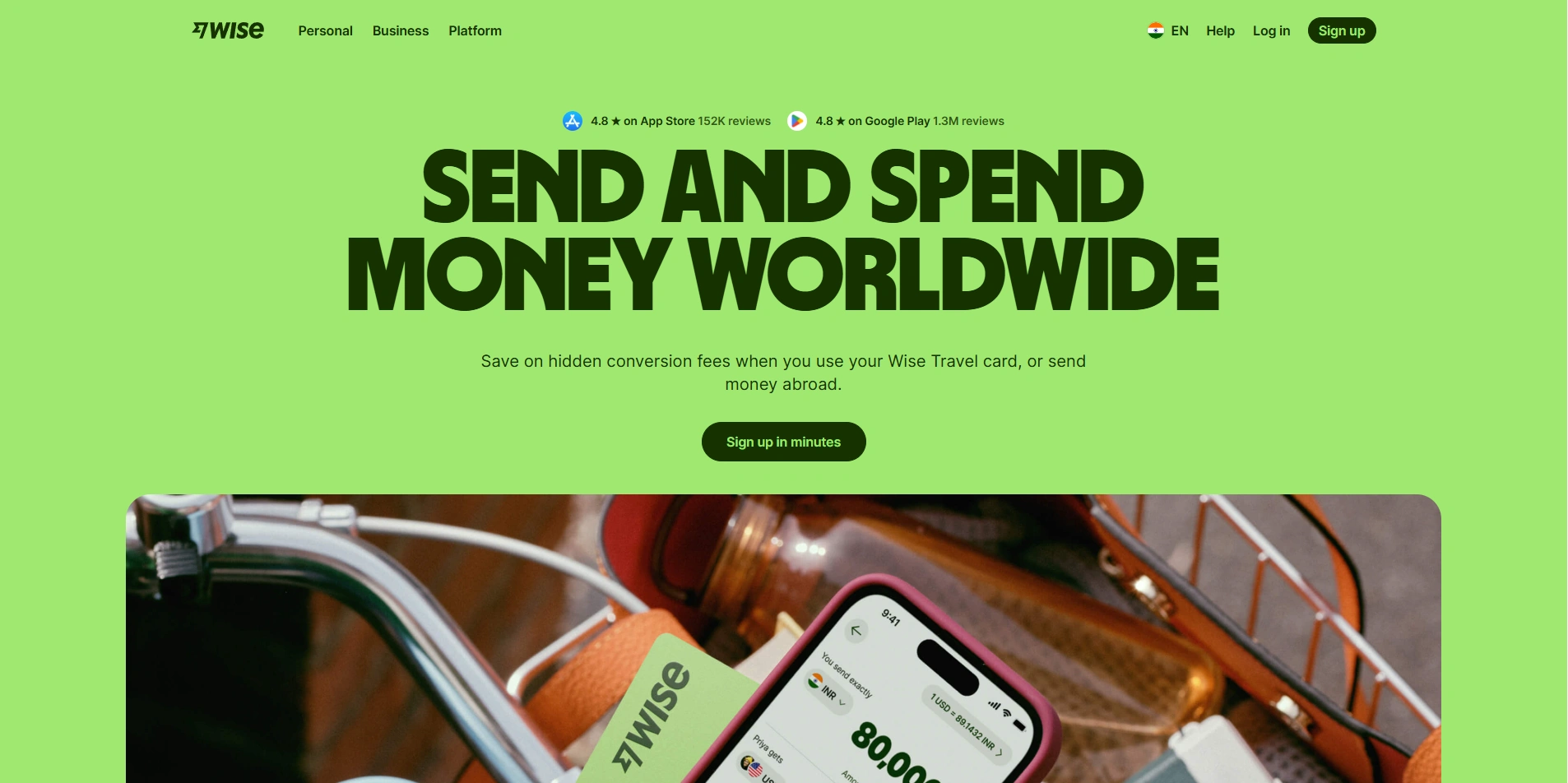
Wise specializes almost entirely in international P2P transfers.
It holds, sends, and receives money in 50+ currencies.
The mid-market exchange rate keeps pricing transparent and fair.
Both individuals and small businesses can move large sums securely.
For cross-border payouts, it beats most apps on cost alone.
7. Remitly
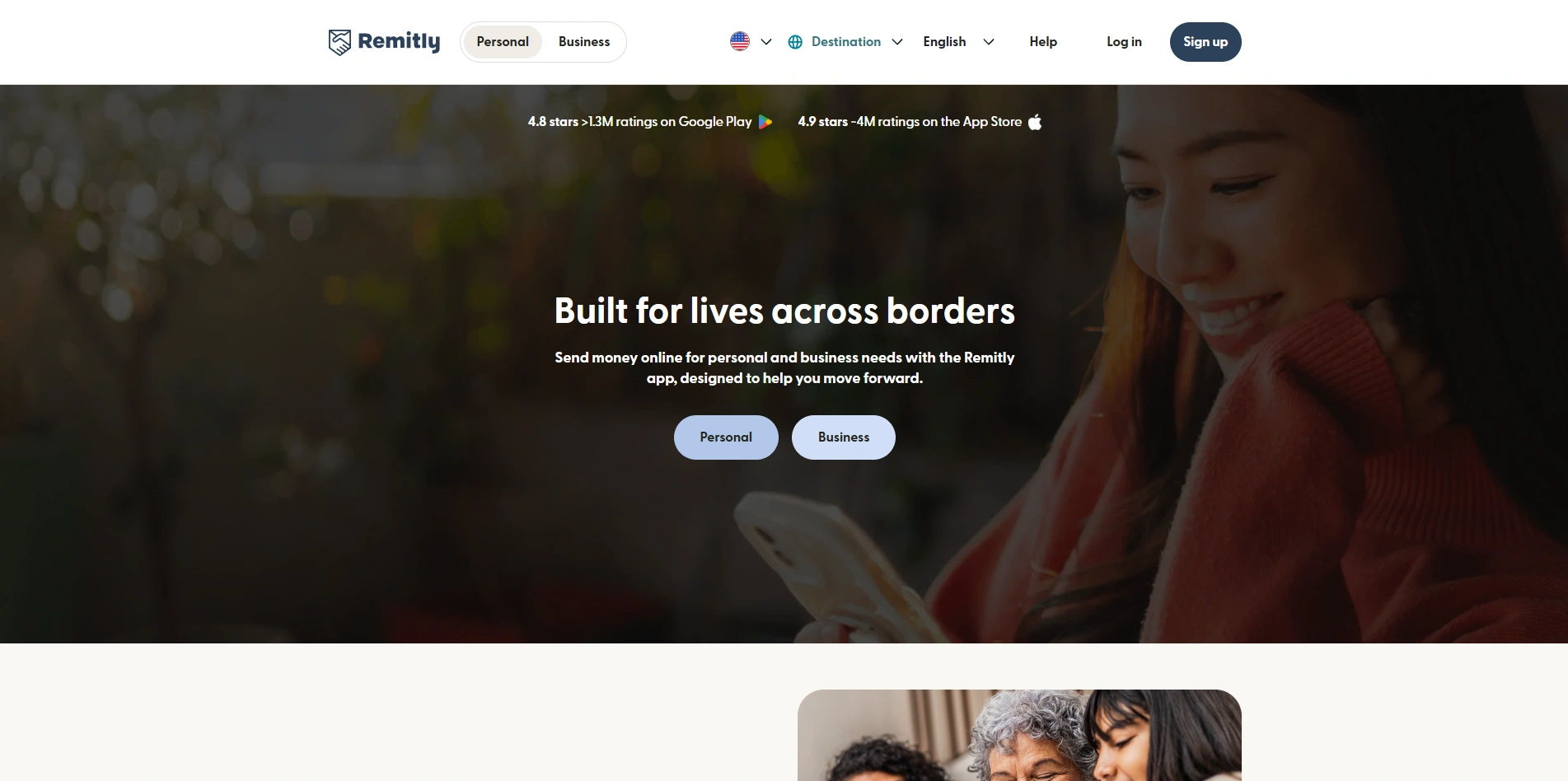
Remitly focuses on remittances to family and friends abroad.
Users choose between instant delivery or slower, cheaper transfers.
Real-time tracking and guaranteed delivery windows build user trust.
Its network runs deep across Asia, Africa, and Latin America.
Emerging-market platforms benefit most from this reach.
8. Xoom
Xoom operates as PayPal’s dedicated international transfer service.
It moves money fast across 160+ countries.
Deposits land in bank accounts, mobile wallets, or cash pickup.
PayPal’s infrastructure backs every transaction for added security.
Platforms already inside the PayPal ecosystem gain the most here.
Which Venmo Alternatives Actually Fit Your Business Model?
| Model | Alternative | Why It Works |
|---|---|---|
| US-only consumer app | Cash App or Apple Pay | Fast, familiar, zero setup friction |
| Android-first consumer app | Google Pay | Native rewards, familiar Android experience |
| Multi-Vendor Marketplace | Wise or Xoom | Real exchange rates, wide country coverage |
| Enterprise SaaS | PayPal | Business tools, buyer protection, gateway access |
| Remote Payroll | Revolut | Multi-currency accounts built for distributed teams |
| Remittance Platform | Remitly | Delivery guarantees emerging-market users trust |
If your business didn’t fully see itself in that table, that’s not unusual.
Most business models don’t fit neatly into these payment apps.
That’s usually where custom software development earns its place
It gets your payout logic built around your business, not squeezed into someone else’s.
How Long Will Your Business Depend on Someone Else’s App?
1. Every Build Starts With Your Payout Flow
We map how money currently moves through your platform.
Every payout, hold period, and dispute path gets documented first.
Only then do we design the system.
The platform follows your transactions, not the other way around.
2. Your Business Model Defines the Architecture
Payout timing, currency splits, and compliance become the foundation.
Nothing important gets forced into a generic template.
The result feels built for you from day one.
3. Payout Path Gets Tested Before Launch
Vendors test real payout scenarios before anything goes live.
Finance reviews settlement reports across every currency.
Compliance verifies each audit trail end to end.
That feedback loop reduces disruption once you’re live.

Most platforms wait until a broken payout forces the rebuild.
Yours doesn’t have to.
FAQs
If your users just send and receive money, an existing app handles it fine but if you’re running marketplace payouts, escrow holds, or cross-border B2B transfers, you’ll outgrow generic tools fast. We usually know within one conversation which one you actually need.
Once we’ve mapped your transaction model, most MVPs are ready in a few weeks. Compliance work KYC, AML, PCI takes longer upfront, but we build it in early so it doesn’t stall your launch later.
Integration is cheaper on day one, no argument there but every workaround you build around a platform’s limits adds up fast. Most founders end up paying more to patch a generic tool than they would have by building it right the first time.
No, and you shouldn’t have to. We build custom payout logic on top of the rails you already use, not instead of them. You keep what works and fix what doesn’t.
Picking based on which app sounds familiar, not what your transactions actually need. Venmo works for splitting rent. It was never going to handle vendor payouts or currency splits and we’d rather tell you that upfront than watch you find out later.