Chennai manufacturers already have the data infrastructure. SAP, SCADA, IIoT sensors, MES. The gap is that plant intelligence never reaches commercial decisions. RFQ cycles run on email, dealer networks run on texts, and supplier quality requires a phone call to verify. AI and custom software close that gap without replacing what already works.
Is your business running on real-time machine data
or still losing enquiries to a PDF brochure?

Your plant manager gets a call at 2 AM.
A centrifuge failed, and the automotive line is down.
The OEM delivery window is already gone.
That one failure costs more than three months of scheduled maintenance.
This is not an edge case.
Chennai manufacturers absorb this cost every quarter, often without realizing it.
The data to prevent it was always there.
But it was never connected.
What Chennai Manufacturers Get Wrong About AI Adoption
1. Manufacturing Data Is Growing Faster Than Integration
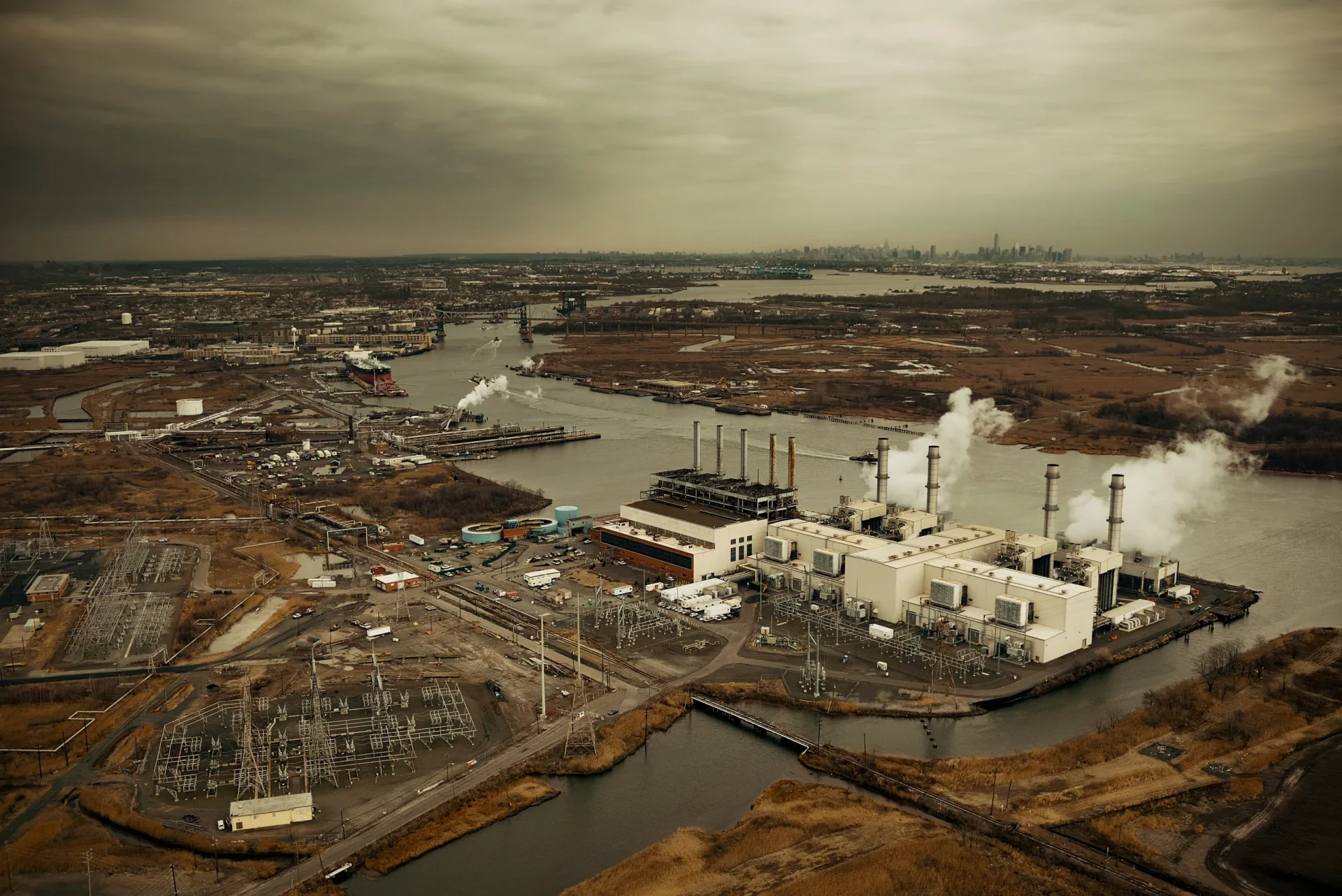
Chennai hosts one of India’s densest manufacturing corridors.
Auto components, construction materials, dairy and precision textiles.
The concentration of manufacturers in Chennai makes AI pilots easier to launch and scale.
It also accelerates model transfer across similar assets.
The infrastructure is there, but most manufacturers have yet to capitalize on it.
2. Digital Systems Still Depend on Manual Decisions
Walk into a mid-size Chennai auto components plant.
SAP is running and MES is active.
Sensors are generating data every minute.
Maintenance still relies on human judgment.
Quality issues are often detected at the final inspection stage.
Critical data remains spread across multiple systems.
The real challenge is turning data into decisions.
3. Successful AI Projects Start With a Single Problem
Leading manufacturers focus on one asset, one KPI, and one pilot.
Early results create the momentum for wider adoption.
Many stalled AI initiatives spend years evaluating vendors instead of solving problems.
The problem comes first and the roadmap follows.
What Do International Buyers Expect From Chennai Manufacturers?
1. Supplier Evaluation Begins Before First Contact
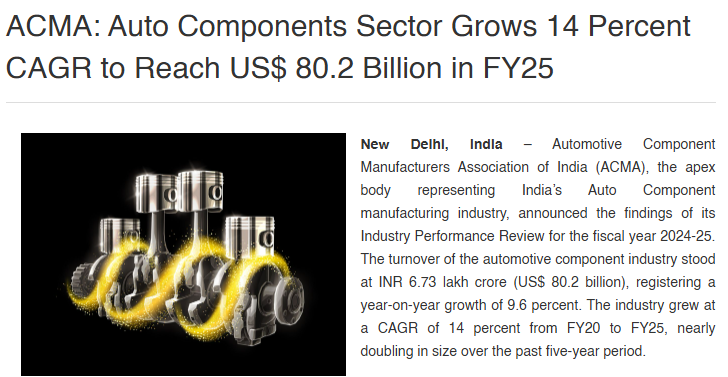
India’s auto component industry was valued at $80.2 billion in 2025.
Exports are projected to grow from $21 billion to $100 billion by 2030.
International buyers evaluating Chennai suppliers will not call to ask for a PDF.
They will review your products, certifications, and RFQ process before any human interaction.
Manufacturers who cannot support that process online will not capture this export growth.
2. Digital Readiness
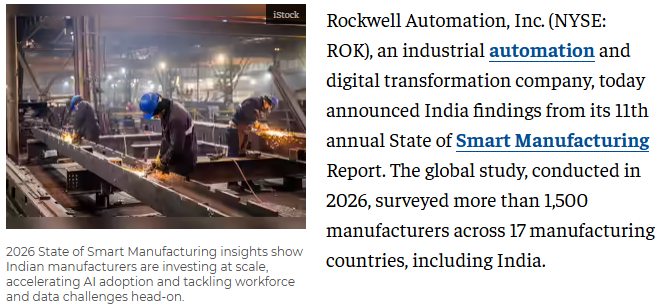
97% of Indian manufacturers say digital transformation is essential.
OT-IT integration remains limited, pilots rarely scale, and digital initiatives often lack business alignment.
This reflects the reality of many Chennai mid-market manufacturers.
Strong operational systems coexist with outdated customer-facing processes.
3. OEM Audit Requirements
Toyota, Cummins, Mahindra, and TVS are raising digital requirements across their supplier networks.
Inspection records, traceability and production data are now expected.
Suppliers who cannot provide this digitally will face a vendor audit problem.
That is a revenue risk, not a future concern.
Why Commercial Processes Lag Behind Manufacturing Operations
1. Innovation Stops at the Factory Gate
Chennai produces over 40% of India’s vehicle and component output.
The plants here are not technologically naive.
EDI with global OEMs, SCADA across facilities and MES for production tracking.
Then open their websites.
Static HTML, non-indexable product PDFs, no RFQ system or dealer portal.
Companies running real-time OEE handle dealer orders on WhatsApp.
Companies with EDI connections to Toyota track distributor inventory in Excel.
The investment is concentrated entirely on the production side.
The commercial side is untouched.
2. The Sales Process Runs as It Did in 2005

An enquiry arrives and gets forwarded to sales.
The follow-up begins with a phone call.
If the product matches, a PDF quotation goes out three days later.
No capability matching or automated follow-up.
That is a ₹500 Cr company operating its sales pipeline like a ₹5 Cr one.
3. What “Digital Transformation” Actually Means
Digital transformation is not about replacing SAP or building a data lake.
It is about connecting plant data to business decisions.
That leads to faster quotes, searchable products, and better dealer management.
Supplier quality becomes easier to monitor and verify.
What AI Will Do Inside a Chennai Manufacturing Plant
1. Predictive Maintenance Where Every Hour Has a ₹ Value
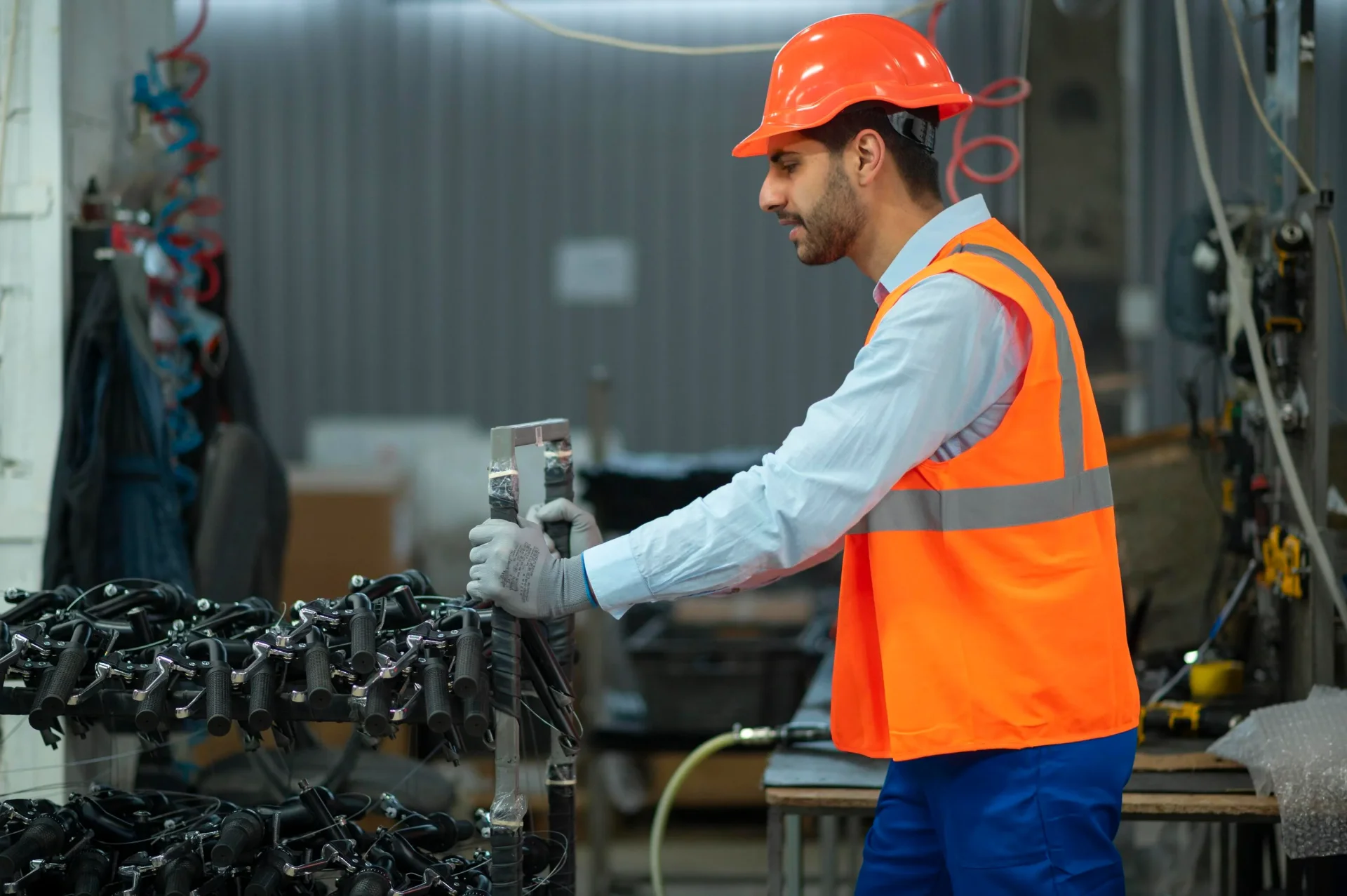
In Chennai’s auto hub, CNC machines and robotic lines run in high-frequency and high-heat environments.
A single hour of unplanned downtime can cost lakhs of rupees.
The problem is not that manufacturing teams don’t know a machine is degrading.
The problem is they find out after it stops, not before.
AI-driven condition monitoring using vibration, thermal, and acoustic data catches failure 30 to 50 days earlier.
Manufacturers deploying these systems cut unscheduled downtime by 35 to 50 percent.
2. Computer Vision Inspection Changes the Quality
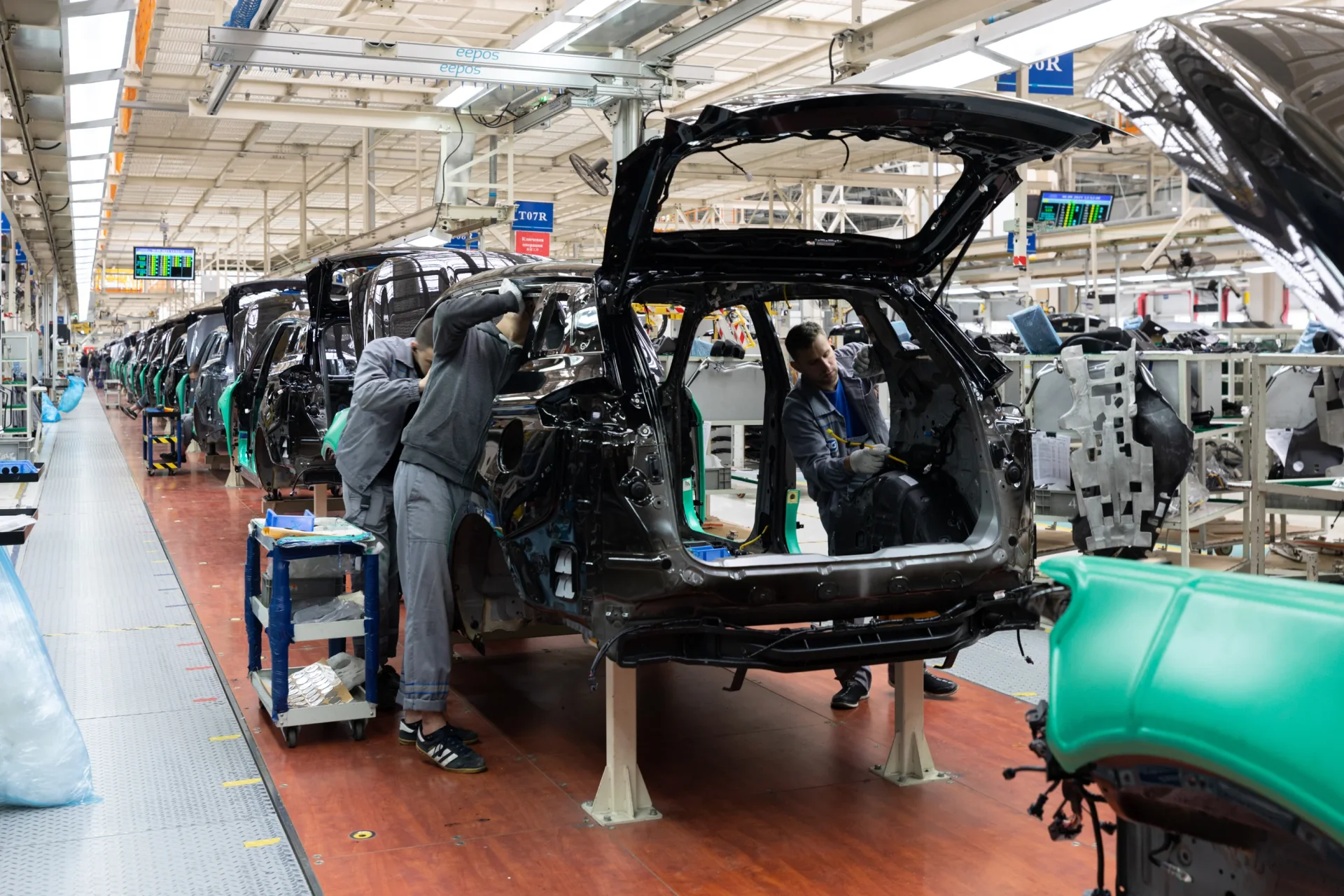
Manual inspection on a high-speed auto component line has one structural problem.
The inspector who worked the first shift is not the same inspector who works the third.
Fatigue, shift changes, and volume create inconsistencies that no SOP fixes.
AI vision systems in automotive manufacturing have reduced defects by 25%, improved efficiency by 15%, and cut machine breakdowns by 20%.
For a Chennai tier-2 supplier, a quality escape does not mean rework.
It means a line stoppage at the OEM and which is a different conversation entirely.
3. Real-Time Production Monitoring
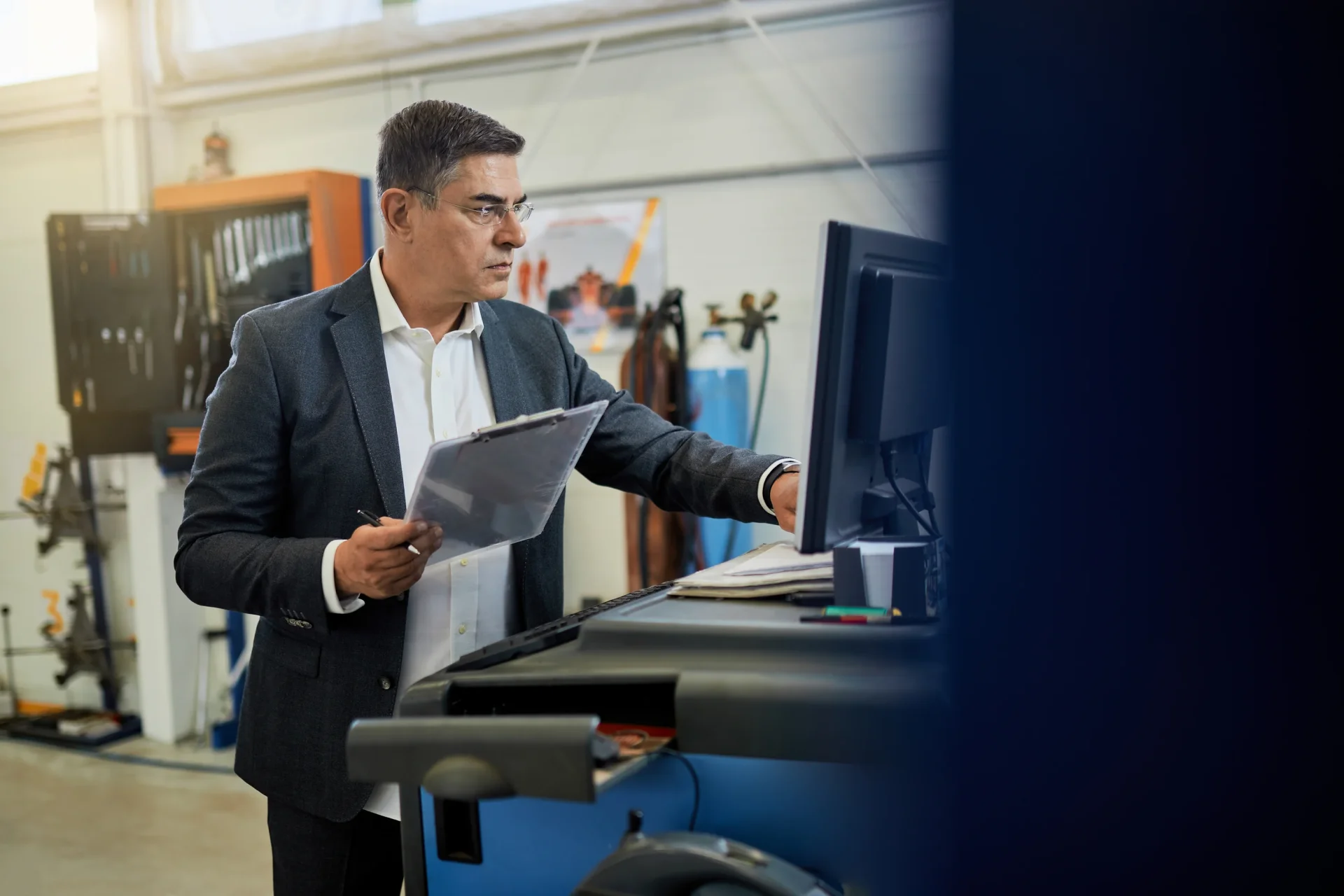
A supervisor walks the floor, notes what he remembers, and enters it into Excel.
By the time that number reaches a Plant Head it describes history.
Only 25 to 30% of Indian plants use real-time production data today.
Most Chennai plant OEE numbers reflect operator belief, not machine data.
A real-time production monitoring system pulling directly from PLCs ends this.
The number stops being a report. It becomes a decision.
4. CNC Machines Generate Data That Goes Nowhere
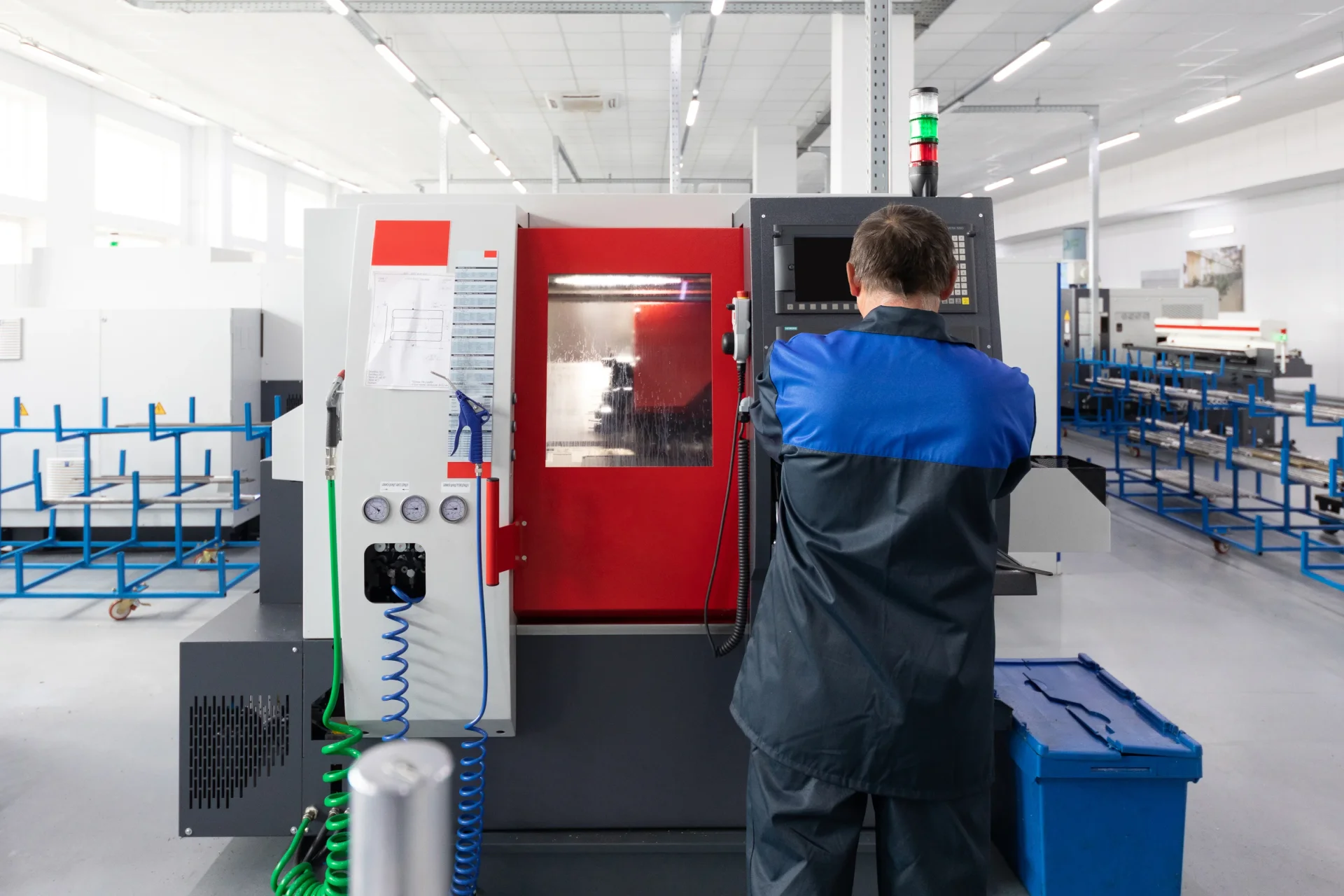
CNC machines continuously generate data on load, cycle time, and tool wear.
In most plants, none of it is captured systematically.
Process engineers carry this knowledge in their heads.
When they leave, it leaves with them.
CNC dashboards turn plant-floor knowledge into traceable data.
Tool life curves become visible.
Cycle time deviations get caught before they produce scrap.
The data was always there.
The infrastructure to use it was not.
What Custom Software Solves That ERP Cannot
| Problem | What ERP Provides | What Custom Software Adds |
|---|---|---|
| Catalogue not searchable | Static product master | Filterable catalogue with spec downloads |
| RFQ takes 3 to 8 days | Email-based enquiry | Automated routing with capability matching |
| Dealer orders on WhatsApp | Dispatch module | Portal with stock visibility and complaint trail |
| OEE tracked in Excel | Periodic MIS reports | Live dashboard on PLC data |
| Supplier quality not visible | Purchase order history | Scorecard with inspection data |
| SCADA and MES disconnected | Isolated system data | OT-to-IT pipeline with operator alerts |
| Defects caught at end-of-line | Final inspection record | Vision system rejects parts at exit |
Chennai auto component suppliers are not median manufacturers.
Most platforms were not built for this scale or this complexity.
That is exactly where custom software development creates the advantage.
If You Are Evaluating AI for Your Chennai Plant | Start Here
1. The First Step Is Finding Where Money Is Already Leaving
Every engagement starts with one question.
Where is your business losing money or deals because of a manual process?
For most Chennai manufacturers, the answer sits in one of four places.
Production visibility, product discovery, dealer management or RFQ response speed.
That answer determines the first deployment.
2. A Two-Week Audit Replaces Six Months of Vendor Evaluation
Every PLC, CNC controller, edge sensor, MES log, and ERP data source gets mapped.
Sensor gaps get flagged. Integration bottlenecks get identified.
The output is a scoped first deployment with a defined KPI.
3. One Validated Result Gets the Next Deployment Approved
A deployment focused on a single use case and a single baseline metric eliminates every assumption.
Acceptance criteria are defined before work begins.
The result either meets the standard or it does not.
That one number is what gets the next deployment approved at the board level.
The cost of waiting is not a technology cost.
It is a market share cost.

Every month without a validated deployment is revenue you are not recovering.
FAQs
SAP and SCADA handle what they were built for. They do not handle searchable product catalogues, RFQ automation, or dealer portals with live inventory visibility. Custom software closes those gaps without touching what already works.
Yes, in specific areas. Predictive maintenance and real-time production monitoring deliver measurable ROI at this scale. RFQ automation and product discovery are relevant at any revenue size because manual process costs scale with business volume.
Most manufacturing technology projects fail because they are scoped as platform implementations, not problem fixes. A targeted scope against one operational gap delivers faster and shows results before the next phase begins.
Yes, if it is built with your engineering team, not a web designer working from a brochure. Material grades, tolerances, dimensions, and certifications are all filterable. That is the difference between a catalogue that generates enquiries and one that gets ignored.
Start with the business problem not the technology. Unplanned downtime points to predictive maintenance. Slow RFQ response points to workflow automation. Low inbound enquiries point to product discovery infrastructure. The problem determines the solution.