Fintech mobile app development requires three important pillars: regulatory compliance, user-focused UX, and secure architecture.
Businesses that follow these three steps can launch secure fintech applications that scale and comply with financial regulations.
- Compliance: Follow KYC, AML, PCI DSS, and data protection regulations.
- UX: Design financial experiences that build trust and simplify transactions.
- Architecture: Use scalable cloud infrastructure and secure APIs.
Successful fintech app development is not just about building a mobile app.
It involves managing financial data, preventing fraud, ensuring compliance, and creating a smooth user experience.
If businesses ignore these factors, fintech apps often face security risks, regulatory issues, and scalability failures.
For businesses planning financial app development, partnering with a fintech app development company like us can reduce risks and speed up development.
What Is Fintech Mobile App Development?
Fintech mobile app development is the process of building mobile applications that deliver financial services digitally.
These apps allow users to perform activities such as payments, banking, lending, investing, and money transfers directly from their smartphones.
Unlike regular apps, fintech applications must manage sensitive financial information, regulatory compliance, and real-time transactions.
Examples of fintech mobile apps include:
- Mobile banking applications.
- Digital wallet apps.
- Peer-to-peer payment apps.
- Investment and trading platforms.
- Lending and loan management apps.
Businesses across industries are investing heavily in fintech app development because users now prefer managing money through digital platforms.
According to global fintech trends, digital financial services are growing rapidly as customers demand fast, secure, and convenient financial experiences.
This change is why companies are investing in financial app development to improve customer engagement and expand digital services.
How Do We Help Businesses to Build Fintech Mobile Apps?
We provide complete fintech mobile app development services for startups and enterprises. Our expertise includes:
- Secure fintech mobile app development.
- Scalable fintech architecture design.
- Fintech UX and UI development.
- Payment gateway integrations.
- Compliance-ready financial applications.
Our team focuses on building fintech products that are secure, scalable, and user-friendly.
Have a Fintech Mobile App Idea?
Why Fintech Mobile Apps Require More Planning Than Regular Apps?
Building fintech applications requires significantly more planning compared to standard mobile apps.
This is because financial platforms must handle secure transactions, regulatory frameworks, and fraud prevention systems.
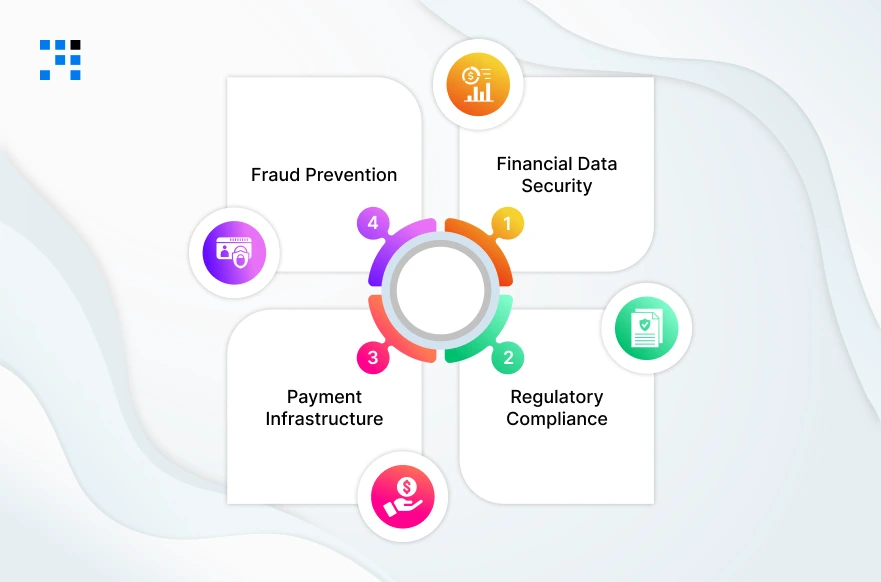
The most common challenges in fintech app development include:
1. Financial Data Security
- Fintech apps manage sensitive financial data such as bank accounts, payment details, and transaction records.
- Developers must implement encryption and security protocols to protect this information.
2. Regulatory Compliance
- Financial services operate under strict regulations. Any fintech platform must comply with financial laws and global standards.
3. Payment Infrastructure
- Payment gateways, banking APIs, and financial networks must be integrated securely.
4. Fraud Prevention
- Fintech systems must detect suspicious activity and prevent fraudulent transactions in real time.
These complexities are why businesses often rely on an experienced fintech app development company like us to ensure proper architecture and compliance.
Why Strategy Matters as Much as Code in Fintech Development?
In fintech, writing good code is only part of the job. The harder skill is knowing what to build, why it matters, and how it fits into a regulated, trust-sensitive industry.
Our founder’s thinking on this change:
This perspective is exactly what separates fintech products that scale from ones that stall. Every step of our development process is built around it.
What Compliance Requirements Must Fintech Apps Follow?
Every fintech application must follow financial regulations that protect users and prevent illegal financial activities.
Compliance is one of the most important aspects of fintech mobile app development.
Key Compliance Requirements
- KYC (Know Your Customer): KYC verification ensures that users are properly identified before accessing financial services.
- AML (Anti-Money Laundering): AML regulations prevent illegal financial activities such as money laundering or fraudulent transactions.
- PCI DSS Compliance: PCI DSS ensures secure handling of payment card data during transactions.
- GDPR and Data Protection Laws: These regulations ensure that user financial data is stored and managed securely.
- PSD2 Regulations: PSD2 allows secure financial data sharing through APIs between banks and fintech platforms.
Failure to meet these compliance requirements can result in legal penalties, blocked payment systems, and loss of customer trust.
This is why successful financial app development always includes compliance planning at the early stages.
What UX Design Principles Make Fintech Apps Successful?
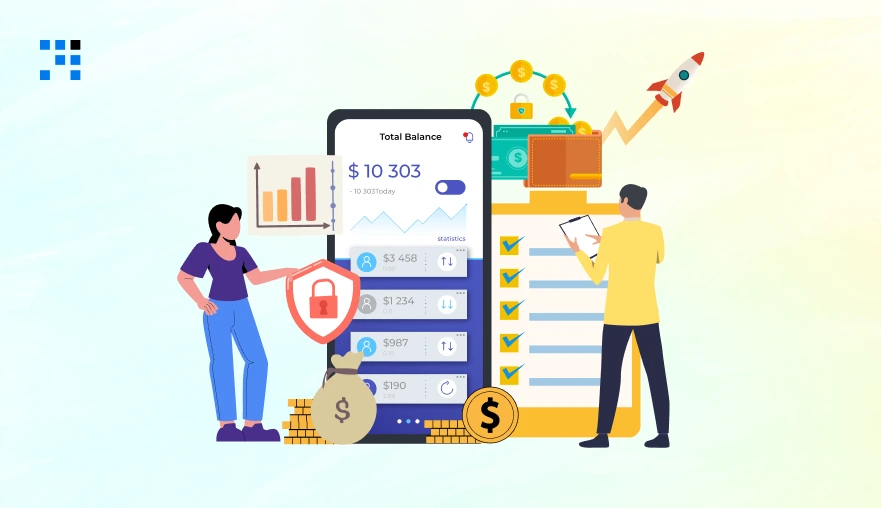
User experience plays a major role in the success of fintech applications. When users manage money, they expect clarity, security, and simplicity.
A strong UX design increases trust and reduces user errors.
Important UX Principles for Fintech Apps
- Simple Onboarding: Users should be able to create accounts and verify identity quickly.
- Clear Financial Data: Transaction history and account balances must be easy to understand.
- Secure Authentication: Biometric login and multi-factor authentication improve security.
- Transparent Transactions: Users must clearly see transaction details, fees, and payment confirmations.
- Fast Performance: Financial apps must load quickly and process payments without delays.
These UX principles help fintech applications gain user trust and improve retention.
Companies focusing on fintech mobile app UX design often see better engagement and long-term adoption.
How to Design a Trust-Focused Fintech User Experience?
Trust is one of the most important factors in fintech applications.
If users feel unsure about the security or transparency of a financial platform, they are unlikely to continue using it. Here are UX strategies that help build trust in fintech apps.
- Biometric Authentication: Fingerprint or facial recognition improves security and simplifies login.
- Real-Time Transaction Notifications: Users should receive instant alerts whenever a transaction occurs.
- Fraud Detection Alerts: Automated alerts help users identify suspicious financial activity.
- Clear Financial Dashboards: Users should easily see account balances, spending summaries, and payment history.
- Secure Payment Confirmation: Every transaction must include confirmation messages and verification steps.
These UX improvements significantly increase trust and usability in fintech app development.
What Is the Best Architecture for Fintech Mobile Apps?
The architecture of a fintech application determines how secure, scalable, and reliable the system will be.
A well-designed fintech mobile app architecture allows businesses to handle large volumes of financial transactions without performance issues.
Core Architecture Components
- Mobile Frontend: The mobile interface where users interact with the application.
- Backend Services: Handles transaction processing, authentication, and business logic.
- API Layer: Connects the fintech platform with banking systems and payment gateways.
- Security Layer: Manages encryption, authentication, and fraud detection.
Scalable architecture is critical for fintech platforms that process thousands of transactions daily.
What Features Every Fintech Mobile App Should Include?
Successful fintech applications offer features that simplify financial management and ensure secure transactions.
- Secure authentication and biometric login.
- Payment gateway integration.
- Digital wallet functionality.
- Transaction history and analytics.
- AI-based fraud detection.
- Real-time notifications.
- Budget tracking and spending insights.
These features improve usability and help fintech platforms compete in the growing digital financial market.
Many modern fintech platforms also integrate AI technologies to personalize financial insights and detect fraudulent activity.
How the Fintech Mobile App Development Process Works?
The fintech mobile app development process typically follows several stages to ensure secure and scalable applications.
Step 1: Product Discovery
- Define the fintech idea, business model, and target users.
Step 2: Compliance Planning
- Identify regulatory requirements and security standards.
Step 3: UX Design
- Create user-friendly interfaces and financial dashboards.
Step 4: Architecture Planning
- Design scalable infrastructure and API integrations.
Step 5: Development
- Develop frontend and backend systems.
Step 6: Security Testing
- Conduct security testing, penetration testing, and compliance verification.
Step 7: Launch and Scaling
- Deploy the application and scale infrastructure as the user base grows.
Following this process ensures successful fintech app development with minimal risks.
Start Your Fintech Mobile App Development Project
If you are planning to build a fintech product, working with an experienced fintech app development company can simplify the process.
We help businesses transform financial ideas into secure digital platforms. Our Services Include:
- Fintech product strategy.
- Secure fintech architecture.
- Mobile app development.
- Compliance-ready financial systems.
If you are planning to build a fintech product, we can help you design, develop, and launch secure financial applications.
FAQs
- Fintech mobile app development is the process of creating mobile applications that provide digital financial services such as payments, banking, lending, and investments.
- These apps require strong security, regulatory compliance, and scalable architecture to manage financial transactions safely.
- Fintech apps typically use technologies such as React Native, Flutter, Node.js, Python, cloud platforms, and secure APIs.
- These technologies help developers build scalable, secure, and high-performance financial applications that support real-time transactions.
- The best architecture for fintech apps is usually microservices-based and cloud-enabled.
- This architecture allows scalability, faster feature updates, better system reliability, & improved security for handling high volumes of financial transactions.
- The cost of fintech mobile app development varies depending on features, integrations, security requirements, and design complexity.
- On average, building a fintech app can cost between $25,000 and $150,000 or more for advanced financial platforms.