Building an iOS app is no longer just about ranking for keywords in the App Store. Apple’s 2026 updates introduce new ways to influence discovery, improve retention, increase subscription revenue, and support enterprise adoption. If you’re building, scaling, or monetizing an iOS app, understanding these changes could directly impact your growth strategy.
Is your app built for Apple’s next App Store
or the one that no longer exists?
Your app is live on the App Store.
You’re investing in acquisition, optimizing keywords, and improving screenshots.
But Apple’s 2026 App Store update is changing how apps compete.
Discovery is becoming more personalized.
Retention is becoming a visibility signal.
Subscription and enterprise growth opportunities are expanding.
Apps that adapt to these changes will have a clear advantage over those still relying on traditional App Store optimization alone.
That is exactly what Apple’s latest updates are designed to reward.
That is the gap Apple just built tools to close.
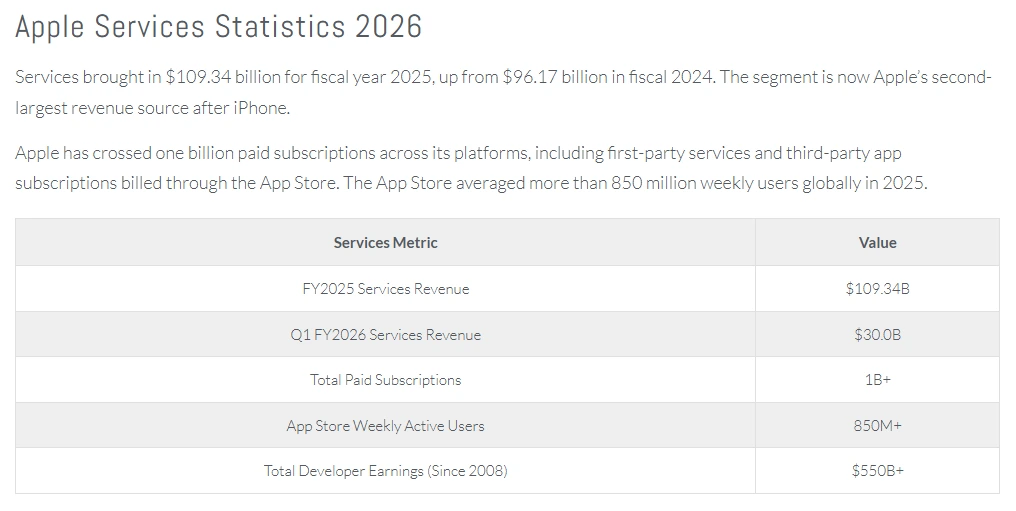
The App Store serves 850+ million weekly active users.
The US alone accounts for nearly half of global in-app subscription revenue.
What Apple announced is not a feature update.
It is a new competitive standard.
App Store Product Page Is Now a Performance Marketing Asset
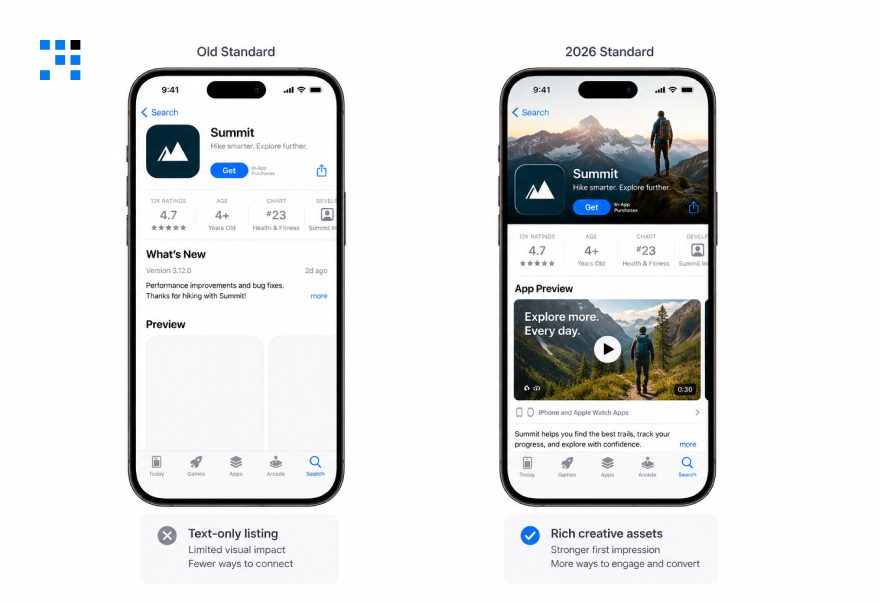
1. Creative Assets Put Brand Impressions Into Search Results
This allows rich images and videos in search results and the product page header.
Which appear before a user even taps your listing.
That is ad-level real estate inside organic search.
Your brand story, campaign visual, or seasonal offer is visible at the discovery stage.
2. Custom Product Pages Let You Speak to Each Audience Separately
A paid social audience sees one message.
An Apple Search Ads audience sees another.
It lets you build a separate creative experience for each traffic source.
No single generic listing serves every visitor.
Each path gets its own visual story and value proposition.
3. Product Page Optimization Tests What Actually Converts
Running creative is not enough.
PPO inside App Store Connect lets you A/B test which version drives installs.
You test before you scale spend.
The winning variant becomes your default.
Guessing what resonates is no longer the strategy.
4. Seasonal Imagery Goes Live Without an App Update
Previously, refreshing visuals required a full app release cycle.
Marketing waited on engineering.
Campaign timing slipped.
Creative Assets now submits independently for App Review approval.
Seasonal imagery goes live the moment it clears, no development sprint required.
Apple’s Discovery Model Has Gone Behavioral
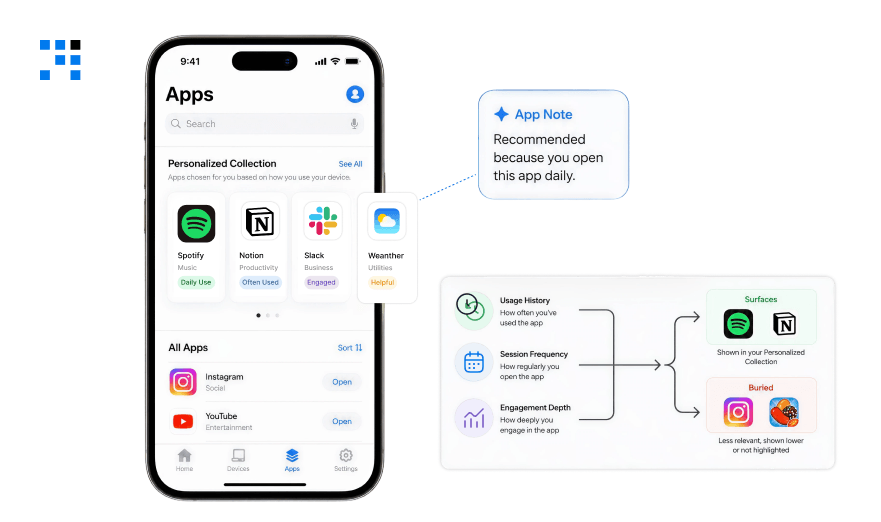
1. Personalized Collections Are Already Live in the US
They appear on the Apps tab, Games tab, and Search tab.
App Notes tell each user exactly why a specific app was recommended to them.
This is not editorial curation.
This is behavioral recommendation at 850 million users scale.
2. Retention Is Now the Discovery Signal
Personalized Collections are driven by individual user behavior.
Usage history, download patterns, session frequency, engagement depth.
Apps that users return to consistently surface more.
Apps that acquire but do not retain do not.
Keyword density alone will not get your app in front of the right users anymore.
3. ASO Alone Is No Longer Enough
Search rankings still matter.
But they are no longer the only discovery path that counts.
Behavioral signals now shape App Store visibility.
Teams optimizing purely for ASO are missing where discovery is moving.
4. AI-Powered Apps Are Dominating the Ecosystem
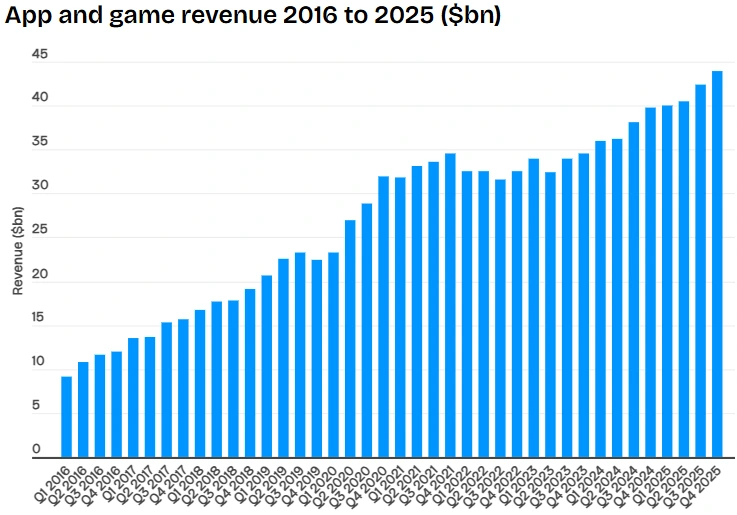
Consumer AI apps generated four times more billing growth.
More than 40 of the Top 100 apps already include AI functionality.
Apple’s new discovery infrastructure launched immediately after that data was released.
That timing is not coincidental.
Apple’s recommendations favor apps producing stronger revenue per user.
Enterprise Monetization Gets a Native iOS Path
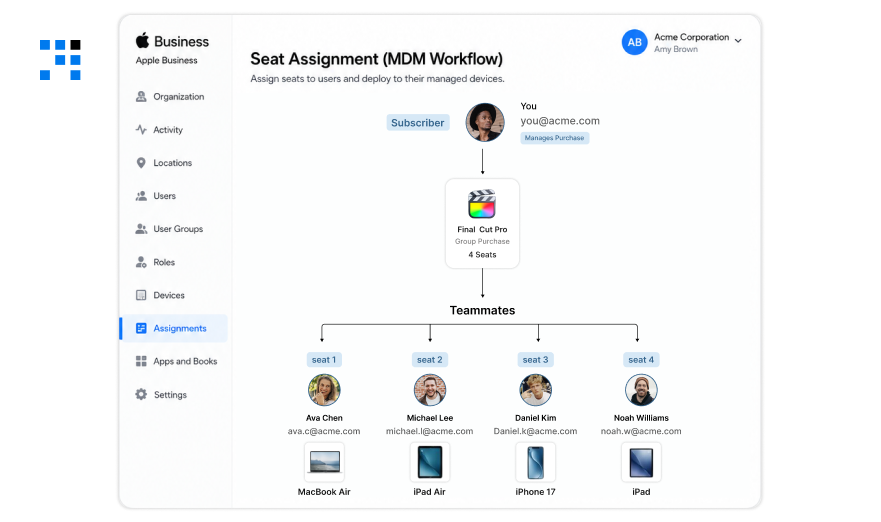
1. Volume Purchasing Plugs Into Existing IT Workflows
Apple Business Manager and Apple School Manager arrives this fall.
Enterprises and education buyers deploy iOS app subscriptions at scale.
Seat assignments are managed through existing device management infrastructure.
IT departments do not need a new procurement process.
They use what they already trust.
2. Enterprise Buyers Make Decisions on ROI, Not Features
The majority of SaaS purchasing decisions are made at the department level.
Procurement gets involved in only a fraction of those decisions.
What wins is measurable ROI, renewal value, and fit with existing workflows.
Apple Business Manager removes procurement resistance.
Enterprise buyers do not need convincing.
They need a familiar path.
3. Team Adoption Starts With One Buyer
Group Purchases arrive this winter.
One subscriber buys multiple seats as a single Apple In-App Purchase.
They invite others directly from their account.
Each member joins independently, linked to their personal Apple ID.
A founder subscribes their team.
A production company deploys to their crew.
4. Word-of-Mouth Is Now Built Into the Purchase Flow
Previously, a satisfied subscriber told others and hoped they converted.
Group Purchases make that conversion part of the original transaction.
The subscriber does not just recommend.
They bring the team in on their own purchase.
Your highest-value buyers become your acquisition channel.
Apple Turned Cancellation Into a Retention Channel
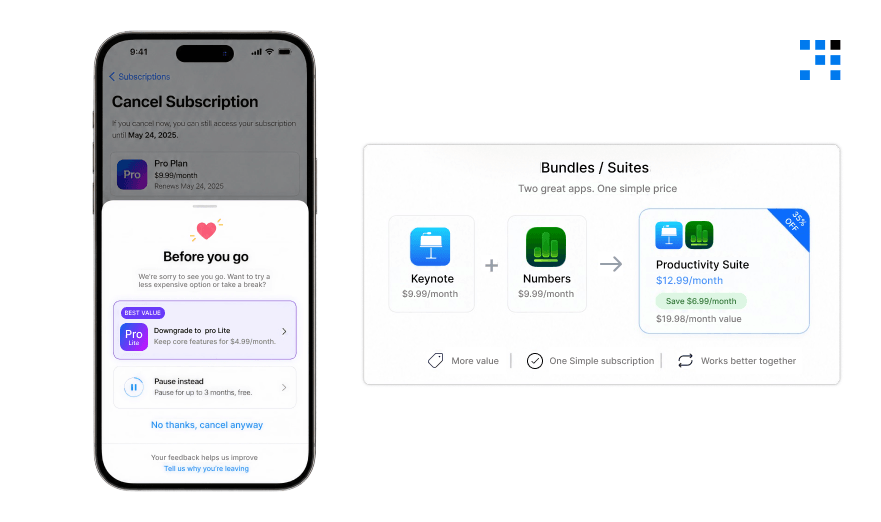
1. Retention Messaging Is Available in App Store Connect
Retention Messaging is live for all developers immediately.
It activates during the cancellation flow.
A subscriber who clicks cancel sees a custom message before they leave.
This is the only native Apple tool that intervenes at that exact moment.
2. The Cancellation Screen Is Now a Retention Asset
A downgrade offer. A pause option. A targeted incentive.
The message is tailored, not generic.
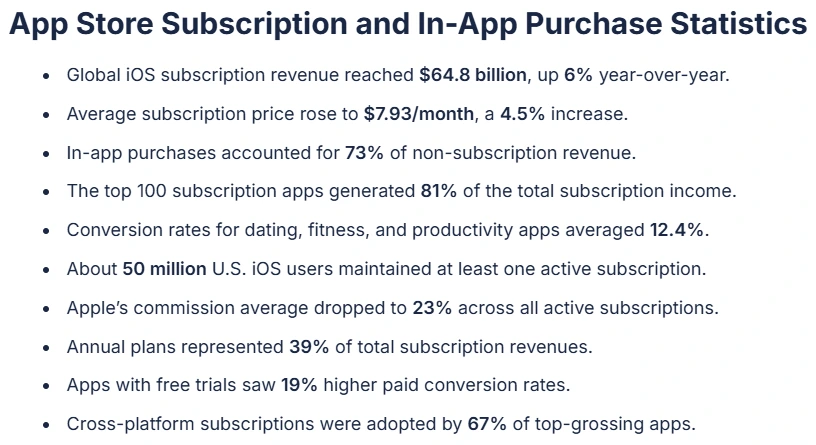
The average iOS app subscription costs $7.93 per month.
Recovering even a fraction of cancellations at that price compounds fast.
3. Bundles Let Complementary Apps Share Acquisition Surface
App Store Bundles allow multiple developers to combine subscriptions at a better price.
A fitness app and a nutrition logger. A project management tool and a time tracker.
Two separate subscriber bases. One combined offer.
Each developer reaches the other’s audience without paid acquisition.
4. Suites Give Single Developers a Packaging Advantage
Suites let a developer offer subscription packages that are not available standalone.
The only way to get the full product is through the Suite.
This creates a pricing structure that increases average subscription value.
More value for the subscriber.
Higher revenue per user for the developer.
Grouped App Review Submissions Cut Developer Overhead
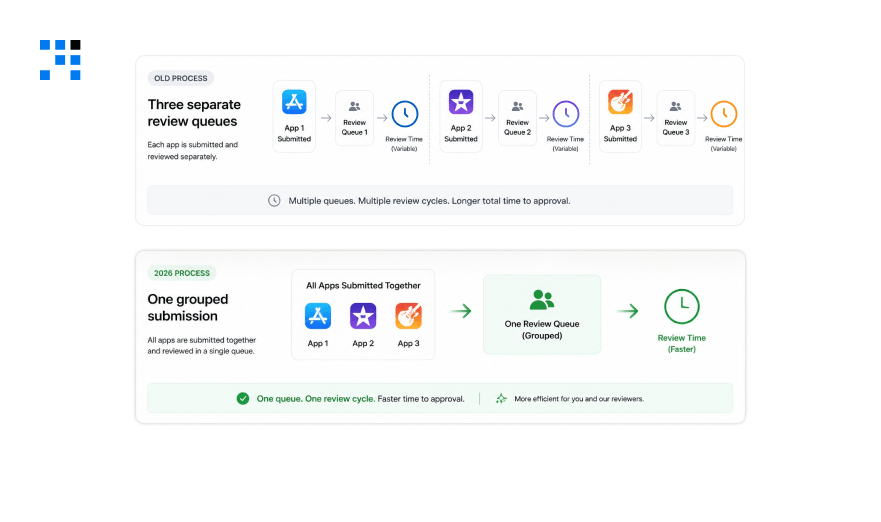
1. Multiple IAPs Now Submit in One App Review Cycle
Multiple IAPs now move through review together.
Previously, each IAP required a separate submission.
Every cycle carried its own time cost and coordination overhead.
2. The Submission Gap Between Marketing and Engineering Closes
Campaign timing used to depend on how fast engineering could ship.
An IAP for a seasonal promotion took its own review slot.
Grouped submissions mean marketing no longer waits for development schedules.
Launch timing is back in the hands of the people running the campaign.
3. Mac App Store Drops the Intel Requirement
Mac App Store apps no longer require Intel support.
Apple silicon-only binaries are now accepted.
| Submission Area | Previous Requirement | 2026 Standard |
|---|---|---|
| Multiple IAPs | Individual submission per item | Single grouped submission |
| Creative Assets | Tied to app update cycle | Independent approval via Asset Library |
| Custom product pages | Manual per-campaign setup | Reusable from Asset Library |
| Mac binaries | Intel + Apple silicon required | Apple silicon-only accepted |
Every row in that table represents overhead sitting between your team and a faster release.
For iOS app development teams managing multiple campaigns, this compounds quickly.
Getting this right at build time means your marketing team never waits on engineering again.
How We Build iOS Apps for the App Store Apple Is Creating
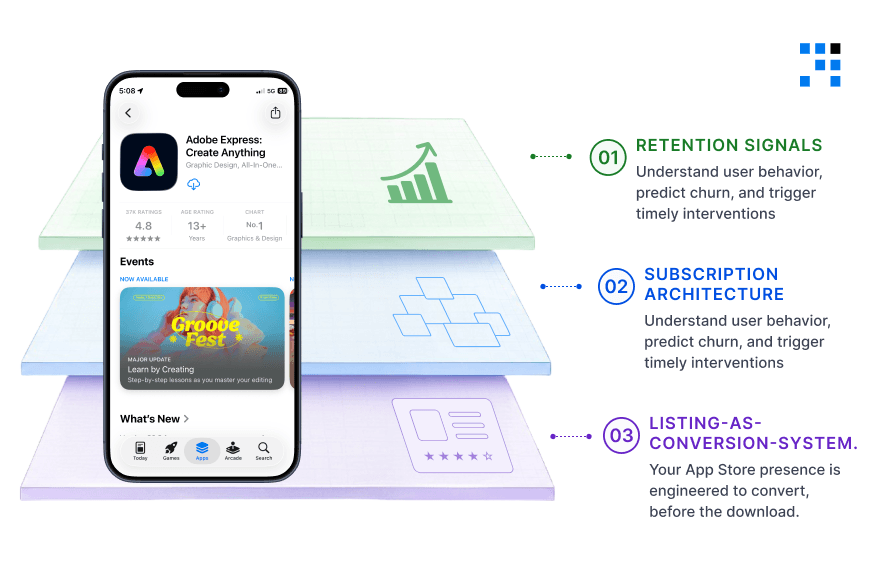
1. Retention Signals Get Engineered for Apple’s Discovery Model
Apps that surface in Personalized Collections hold users.
That is the signal Apple now rewards.
Every interaction pattern, session depth, and return frequency gets built in from day one.
2. Subscription Architecture Ships Before the First Screen Does
Volume Purchasing, Group Purchases, Bundles, and Suites.
These are not features you add later.
They require a subscription structure built to support them from the start.
We design that architecture before development begins.
3. The App Store Listing Gets Built as a Conversion System
Discovery, testing, and conversion work as one system.
We configure that system at build time.
That separates converting apps from decorative listings.
Every month without the right architecture is revenue you cannot recover.
Audit your iOS app’s 2026 readiness in 24 hours.
FAQs
Creative Assets are rich images and videos that appear in App Store search results and the product page header. They let your marketing team run campaign-specific visuals without waiting on an app update. We configure that alongside custom product pages and PPO at build time so your listing works as a conversion surface from day one, not an afterthought.
Personalized Collections surface recommendations based on individual user behavior like session history, engagement patterns, download signals. Keyword rankings are no longer the only discovery factor. Apps with strong retention surface more. We build the interaction patterns that generate those signals into the product from the start.
Volume Purchasing through Apple Business Manager lets enterprises and education organizations deploy iOS app subscriptions at scale through device management workflows they already use. It removes the procurement friction that previously killed iOS deals in B2B environments. If your app targets enterprise buyers, this needs to be in the architecture before launch.
The Asset Library stores every approved Creative Asset, preview video, and screenshot in one place. Assets clear App Review independently of app updates and reuse across every Custom Product Page and In-App Event. We set this up as part of your App Store presence so your team never rebuilds from scratch for each campaign.
Retention Messaging fires during the cancellation flow. A subscriber who clicks cancel sees a tailored offer before they leave. It is the only native Apple tool that intervenes at that exact moment. We build the subscription architecture that makes this lever available and worth pulling.
Bundles let multiple developers offer combined subscriptions at a discount. Two separate audiences, one shared offer, no paid acquisition needed for the crossover. Suites let a single developer package subscriptions that are not available standalone. Both require subscription architecture built to support them which is where the work starts.