Many companies are still struggling & it’s not because cloud platforms are failing, but because cloud migration mistakes keep repeating.
Despite better tools, AI-based cloud services, & mature providers like AWS, Azure, & Google Cloud, organizations continue to lose money due to poor cloud migration planning.
These common cloud migration mistakes quietly drain budgets, slow teams down, and block innovation.
The hard truth? Most cloud migration challenges today are self-inflicted.
We’ve audited and fixed cloud migration projects across industries, and we keep seeing the same costly cloud migration mistakes repeated, regardless of company size or cloud provider.
From startups rushing to the cloud to enterprises migrating legacy systems, the problems look different on the surface but share the same root causes underneath.
If you’re dealing with rising cloud bills, unstable systems, or disappointing performance after migration, you’re not alone.
These cloud migration mistakes are common, and more importantly, they’re fixable.
Why Are Companies Still Making the Same Cloud Migration Mistakes in 2026?
With all the progress in cloud technology, a big question remains: Why do cloud migration projects fail even in 2026?
From what we’ve seen, the issue isn’t technology, it’s decision-making. Here’s why cloud migration mistakes keep happening:
1. Rushed Timelines and Pressure to “Move Fast”
- Many companies migrate to the cloud under pressure from leadership, competitors, or investors.
- This leads to poor planning, skipped testing, and rushed deployments that later turn into expensive fixes.
2. Cost-Only Decisions Without Long-Term Thinking
- Choosing a cloud setup based only on short-term pricing is one of the biggest cloud migration strategy mistakes.
- What looks cheap during migration often becomes costly once workloads scale, data grows, and usage patterns change.
3. Lack of Cloud Governance and Ownership
- Without proper governance, teams lose visibility and control.
- This results in unused resources, security gaps, and unpredictable billing with cloud adoption errors that show up months after migration.
4. “Lift-and-Shift” Without Redesign
- Simply moving old systems to the cloud without re-architecting them is one of the most common cloud migration mistakes we see.
- Legacy applications weren’t built for the cloud, and treating them the same way leads to poor performance and higher costs.
Cloud migration projects fail not because the cloud is complex, but because migration is treated as a technical task instead of a business strategy.
What Real Companies Are Saying About Cloud Migration Failures?
On Reddit communities like r/devops and r/aws, teams regularly share painful cloud migration experiences.
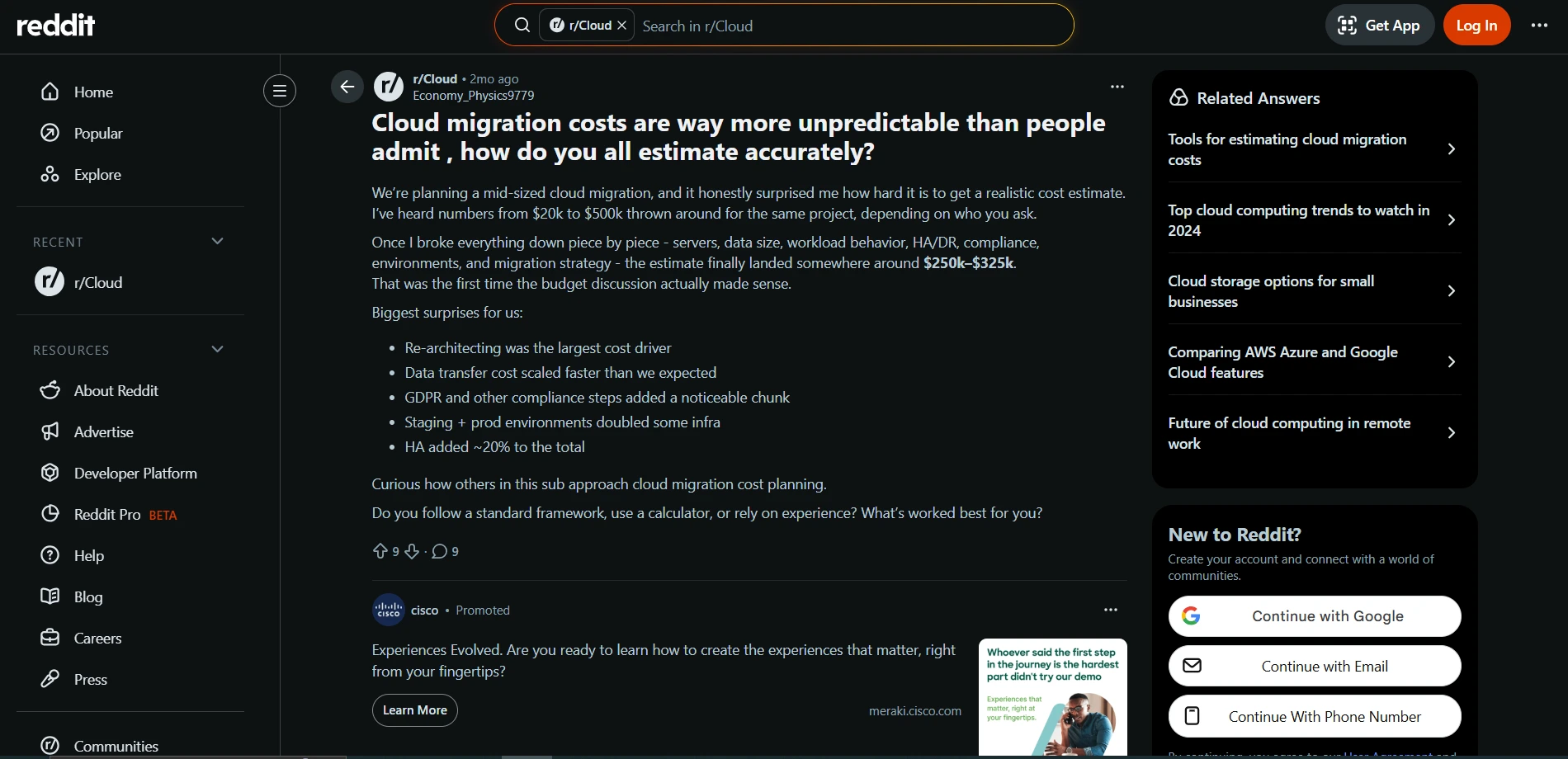
Source: Reddit
A common example:
We moved everything to the cloud to save costs. Two months later, our cloud bill doubled, performance dropped, & we’re still firefighting every week.
Most of these threads point to the same issues:
- Poor cloud migration planning.
- Lift-and-shift without redesign.
- No cost governance or monitoring.
These are classic cloud migration mistakes for enterprises, regardless of company size.
What Are the Most Common Cloud Migration Mistakes to Avoid in 2026?
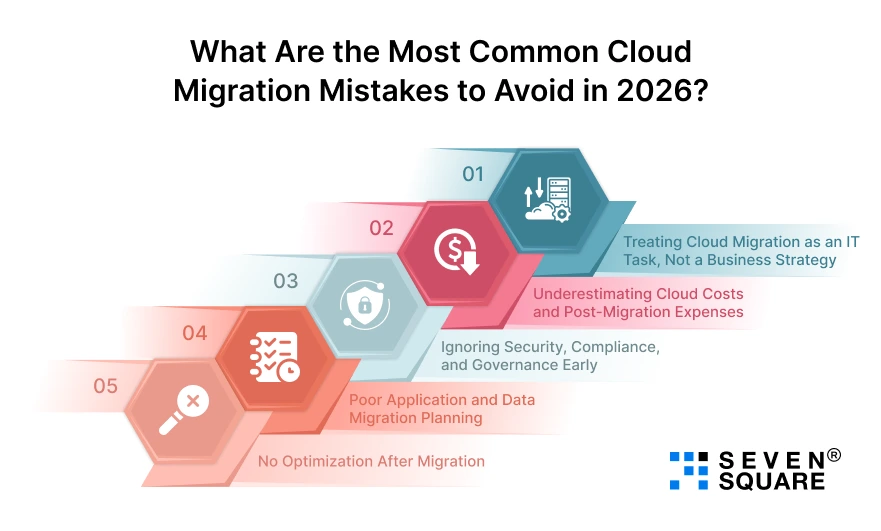
Companies across industries are repeating the same cloud migration mistakes. The tools are better. Cloud platforms are more mature. But the execution is still flawed.
Here are the most common cloud migration mistakes to avoid in 2026, based on what we see while auditing real cloud environments.
1. Treating Cloud Migration as an IT Task, Not a Business Strategy
One of the biggest enterprise cloud migration mistakes is assuming cloud migration is only a technical project.
This leads to cloud migration strategy errors where systems move to the cloud but don’t actually support growth.
Why does this fail?
- Business teams aren’t involved in architecture decisions.
- Cloud is treated like a data center replacement.
- Long-term scaling and cost planning are missed.
Cloud migration must align with business outcomes.
2. Underestimating Cloud Costs and Post-Migration Expenses
Many companies believe moving to the cloud will automatically reduce costs. In reality, cloud migration cost mistakes are one of the top reasons projects fail.
Without cost governance, teams experience serious cloud cost overruns during migration and after launch.
Common cost issues include:
- Over-provisioned resources.
- No cost monitoring or alerts.
- Paying for unused services.
Without proper planning, cloud bills quickly spiral out of control.
3. Ignoring Security, Compliance, and Governance Early
Security is still treated as an afterthought in many migrations. This results in dangerous cloud migration security mistakes that come only after systems go live.
These cloud governance mistakes increase risk, especially in regulated industries.
What goes wrong?
- Weak identity and access management.
- Unencrypted data and backups.
- No compliance checks or audits.
Fixing security after migration is far more expensive than building it correctly from the start.
4. Poor Application and Data Migration Planning
These data migration mistakes often lead to downtime, data loss, or broken workflows.
Legacy application cloud migration mistakes happen when old architectures are moved without redesigning them for the cloud.
Typical problems include:
- Incomplete data transfers.
- Broken integrations.
- Performance issues after go-live.
Every application and dataset needs a clear migration strategy, as there is no one-size-fits-all approach.
5. No Optimization After Migration
Many teams consider cloud migration “done” once systems are live. This is a costly misunderstanding.
Skipping optimization leads to post-migration optimization mistakes where companies pay more for less performance.
Without following cloud migration best practices, environments become inefficient over time.
What optimization should include?
- Right-sizing resources.
- Performance tuning.
- Continuous cost and usage reviews.
Cloud migration is an ongoing process.
How We Identified and Fixed These Cloud Migration Mistakes?
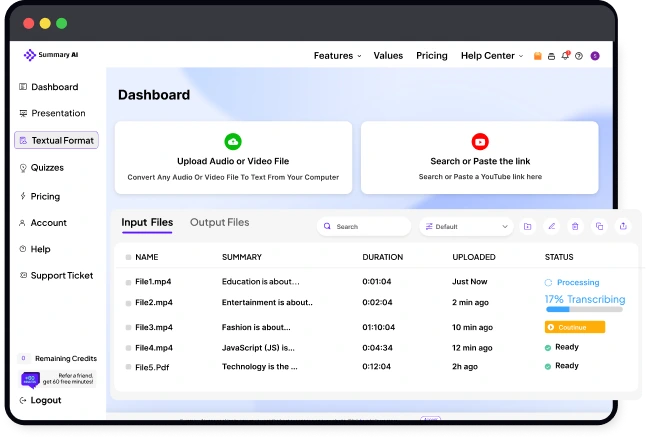
An AI startup called Summary AI came to us as their cloud migration started hurting performance and budget.
We started by doing a detailed cloud audit to understand the cloud migration mistakes for enterprises that were causing waste and instability.
- Cloud Cost Waste is reduced to less than 10%.
- Now Peak Load Performance is Stable under 3x traffic.
- Now they have to spend less than 15% on Maintenance.
Why These Cloud Migration Mistakes Are Becoming More Dangerous in 2026?
In 2026, the impact of cloud migration pitfalls is far greater than in previous years. Here’s why:
AI Workloads Are Rapidly Increasing Cloud Bills
- AI and data-heavy workloads consume massive compute and storage.
- Without optimization, costs grow exponentially, turning small mistakes into major financial risks.
Compliance and Regulations Are Getting Stricter
- Data privacy, security, and compliance requirements are tightening globally.
- Cloud transformation mistakes now carry higher legal and operational consequences.
Competitors Are Scaling Faster on Optimized Cloud Setups
- Some companies struggle with inefficiencies, others are using well-architected cloud environments to scale faster, launch quicker, & operate cheaper.
In 2026, cloud migration mistakes directly impact competitiveness.
How Do We Help Companies Avoid Cloud Migration Mistakes from Day One?
Our approach focuses on long-term success.
1. How We Plan Cloud Migration Strategically?
- Business-first cloud migration planning.
- Clear architecture decisions.
- Risk and dependency mapping.
2. What Frameworks and Best Practices Do We Follow?
- Proven cloud migration best practices.
- Clear cloud migration roadmap.
- Step-by-step cloud migration checklist.
3. Why Our Approach Prevents Future Issues?
- Built-in cost optimization.
- Strong security and governance.
- Continuous monitoring and improvement.
This ensures companies don’t repeat the same cloud migration pitfalls.
Want to Avoid These Cloud Migration Mistakes and Have the Best Cloud Migration? Contact Us Now!
Why Your Choice of Cloud Partner Decides Success or Failure?

Not all cloud partners work the same way.
Vendor-Led Migration
- Focused on moving workloads fast.
- Limited customization.
- Often leads to cloud adoption errors.
Architecture-Led Migration (Our Approach)
- Designed for scalability and cost control.
- Security and governance are built in.
- Optimized for long-term growth.
If you don’t fix these cloud migration mistakes now, your competitors already are, and they’ll scale faster, cheaper, and more securely.
FAQs
- The most common cloud migration mistakes include poor planning, lift-and-shift migrations, & no post-migration optimization.
- Cloud migration projects fail due to rushed timelines, cloud migration strategy mistakes, lack of governance, and ignoring long-term costs.
- By using proper planning, cost monitoring, right-sizing resources, and following cloud migration best practices.