The top 7 Figma alternatives for prototyping and UI/UX designing in 2026 are Penpot, Sketch, Framer, Lunacy, Uizard, UXPin, and Protopie. Each solves a different gap Figma leaves open, including open-source flexibility, offline access, AI-generated design, and advanced motion prototyping.
Why Teams Look for a Figma Alternative
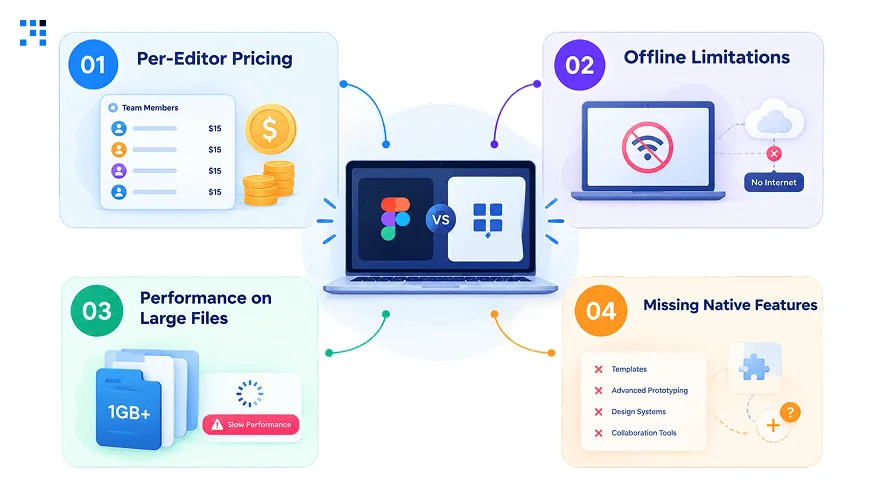
1. Per-Editor Pricing
Figma charges per editor on every paid plan tier.
Costs climb fast the moment teams grow past a handful of seats.
Smaller studios and freelancers often outgrow their budget within the first year.
This pricing model pushes many toward flat-rate or free alternatives instead.
2. Offline Limitations
The desktop app stays a stripped-down version of the real thing.
Full sync with the web app never actually happens reliably.
Teams working from remote sites or unstable connections feel this gap immediately.
Real offline work means looking toward tools built for that from day one.
3. Performance on Large Files
Complex auto-layout structures can slow browser-based tools noticeably over time.
Heavy component libraries strain performance further as files keep growing.
Large product teams working on enterprise-scale files notice this lag first and most often.
Native, offline-capable tools tend to handle this load more gracefully.
4. Missing Native Features
Code export and deep animation stay limited natively.
Compliance-heavy industries also avoid cloud-only tools.
Data ownership matters far more once a business operates under strict regulations.
Self-hosted or on-premise alternatives solve this concern directly.
Backend Setup (Node.js + Express Example)
1. Penpot
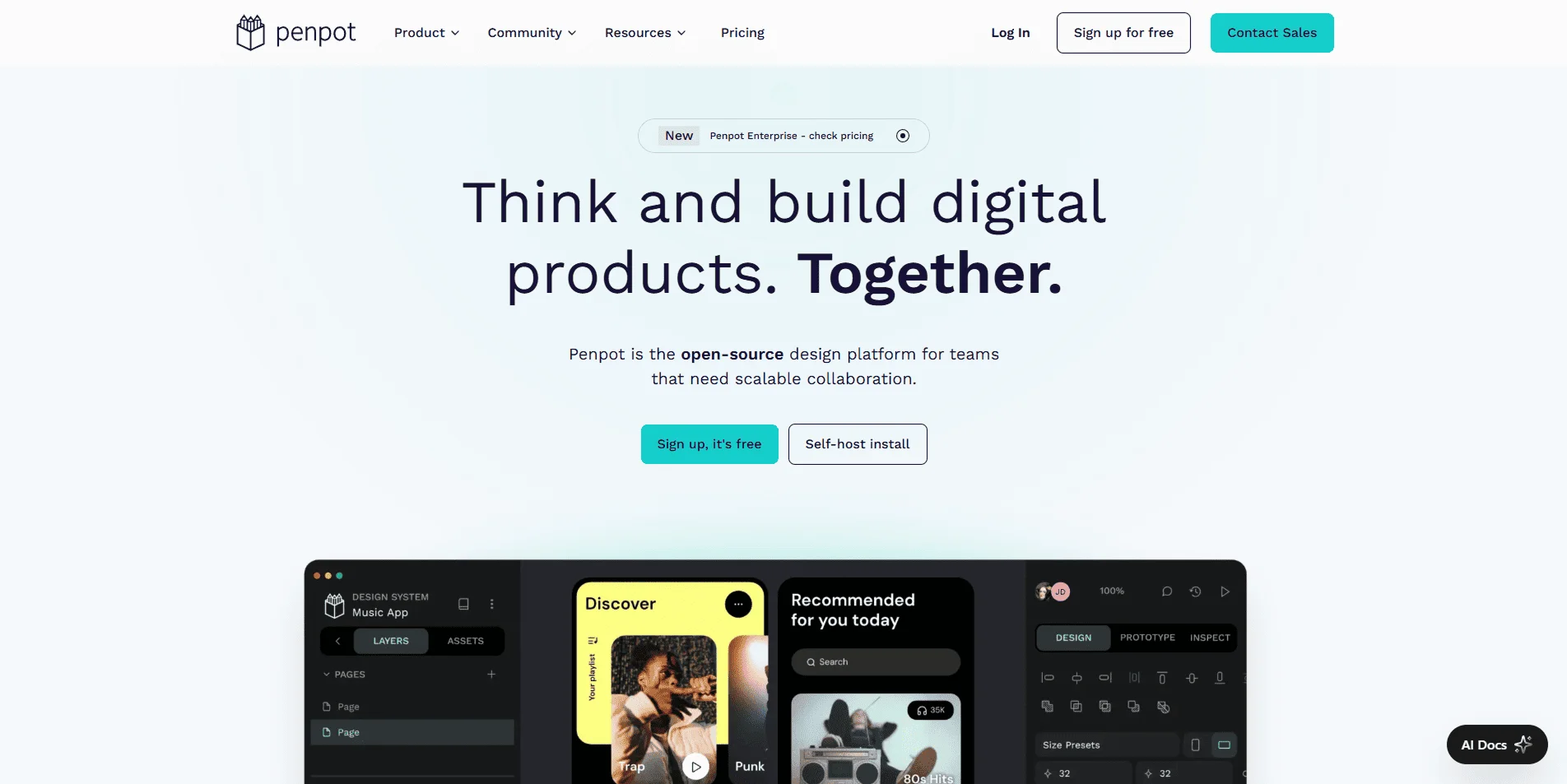
Penpot leads as the strongest open-source figma alternative available today.
Self-hosting gives teams full ownership over their design data.
SVG-native output keeps files standards-compliant across every project.
Zero licensing costs make it ideal for budget-conscious startups and agencies.
2. Sketch
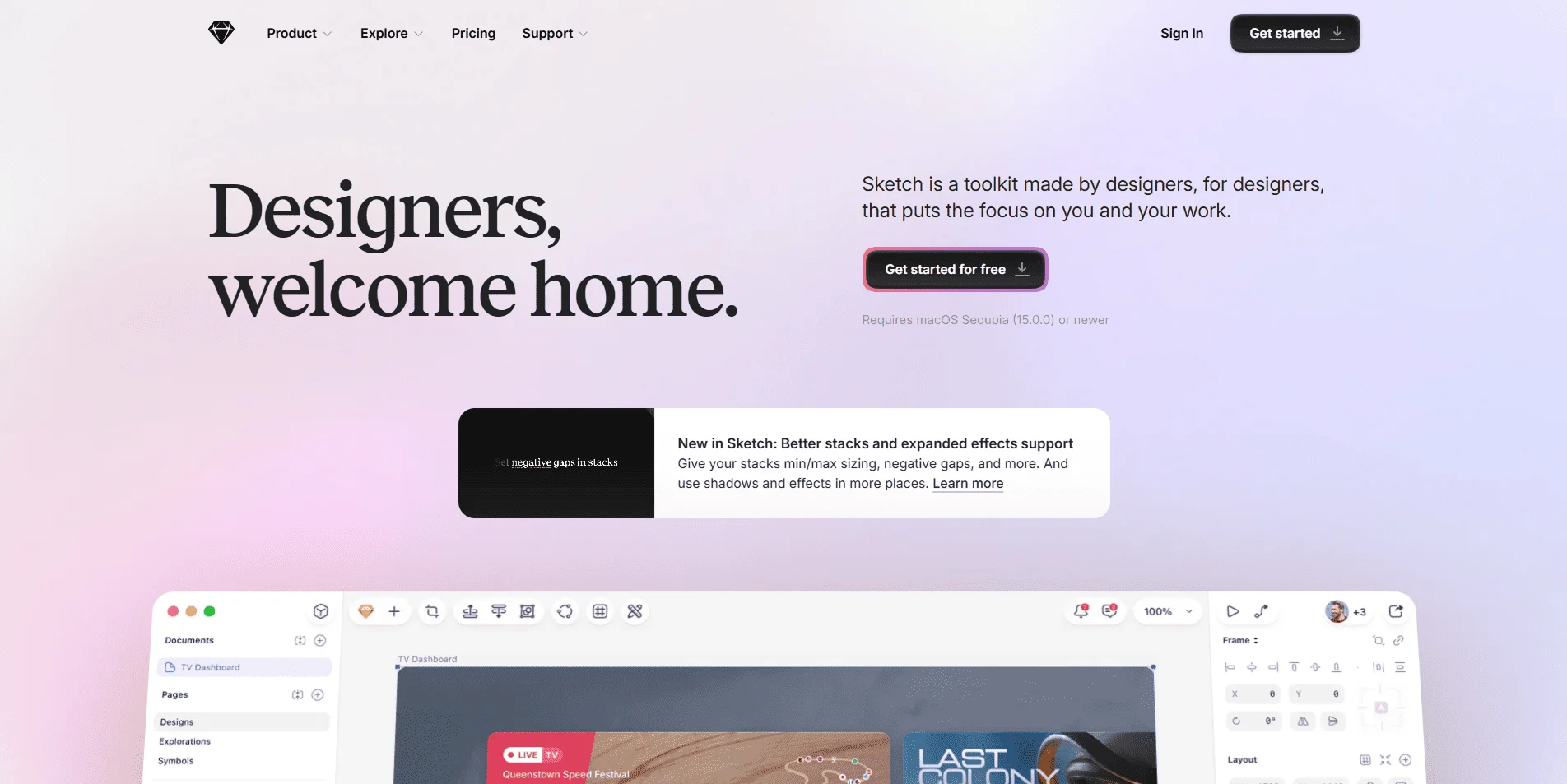
Sketch remains the gold standard for Mac-based design teams.
Its vector editing tools stay precise and genuinely pixel-perfect.
Native macOS performance beats most browser-based competitors on speed.
Teams preferring offline-first workflows consistently choose Sketch over cloud alternatives.
3. Framer
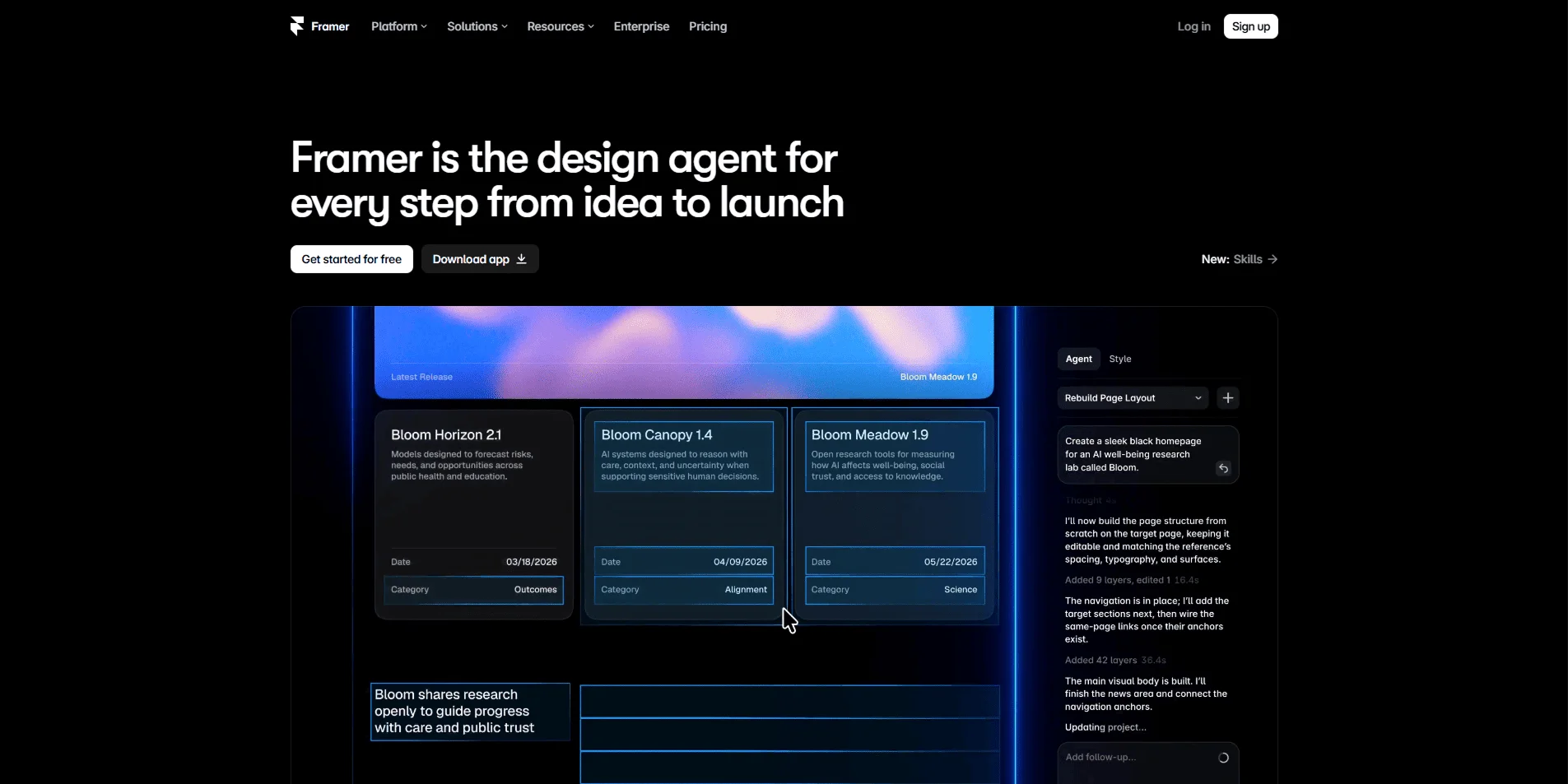
Framer blends visual design with real code output seamlessly.
React support lets designers build near-production-ready prototypes directly.
Smart components add interactions like hover and scroll without coding.
Developers exploring design work gravitate toward Framer’s hybrid approach.
4. Lunacy
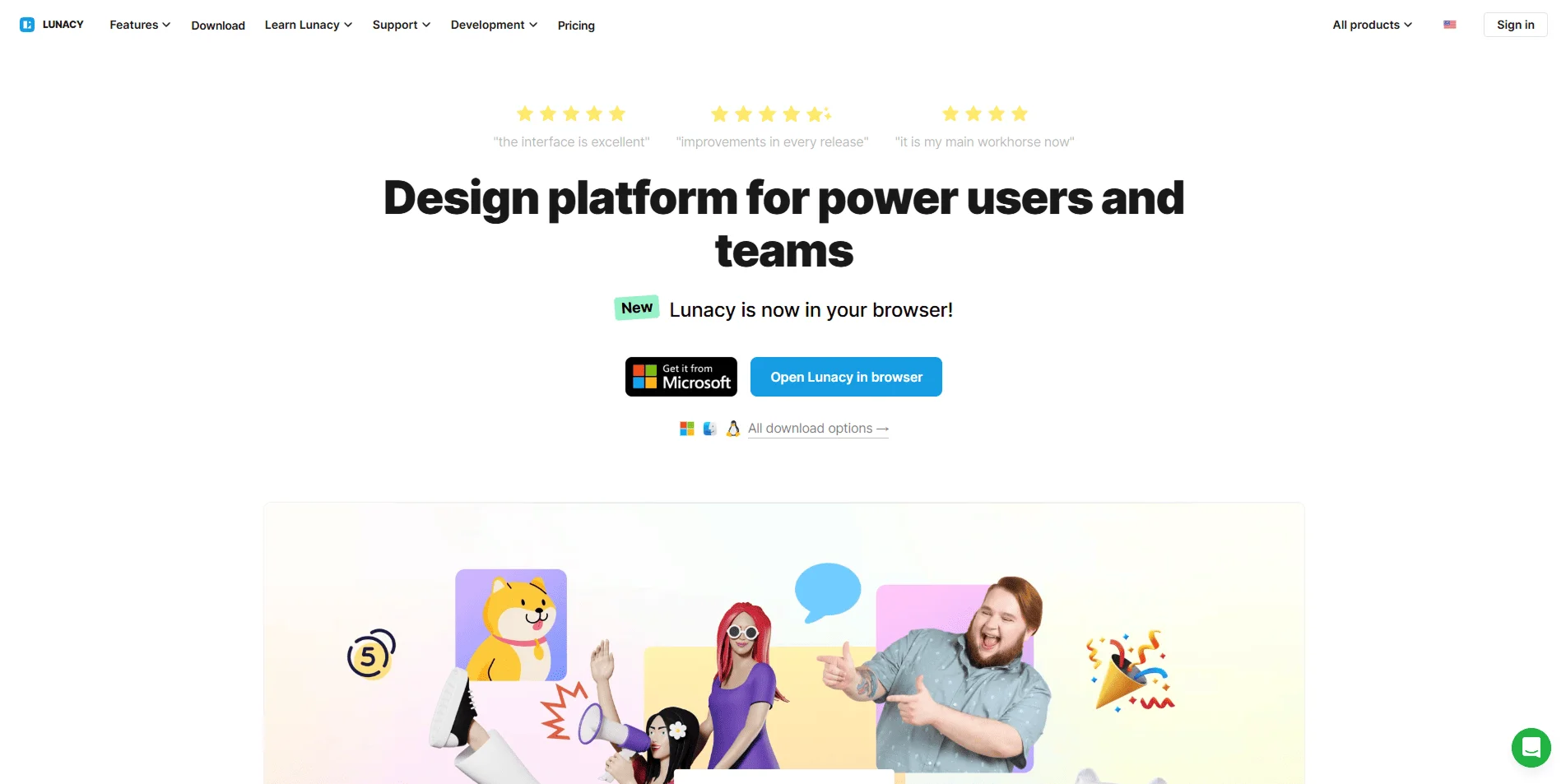
Lunacy runs as a completely free, cross-platform figma alternative.
Windows, Mac, and Linux users all get full feature parity.
Built-in AI tools handle background removal and asset generation instantly.
Low resource usage keeps it fast even on older hardware.
5. Uizard
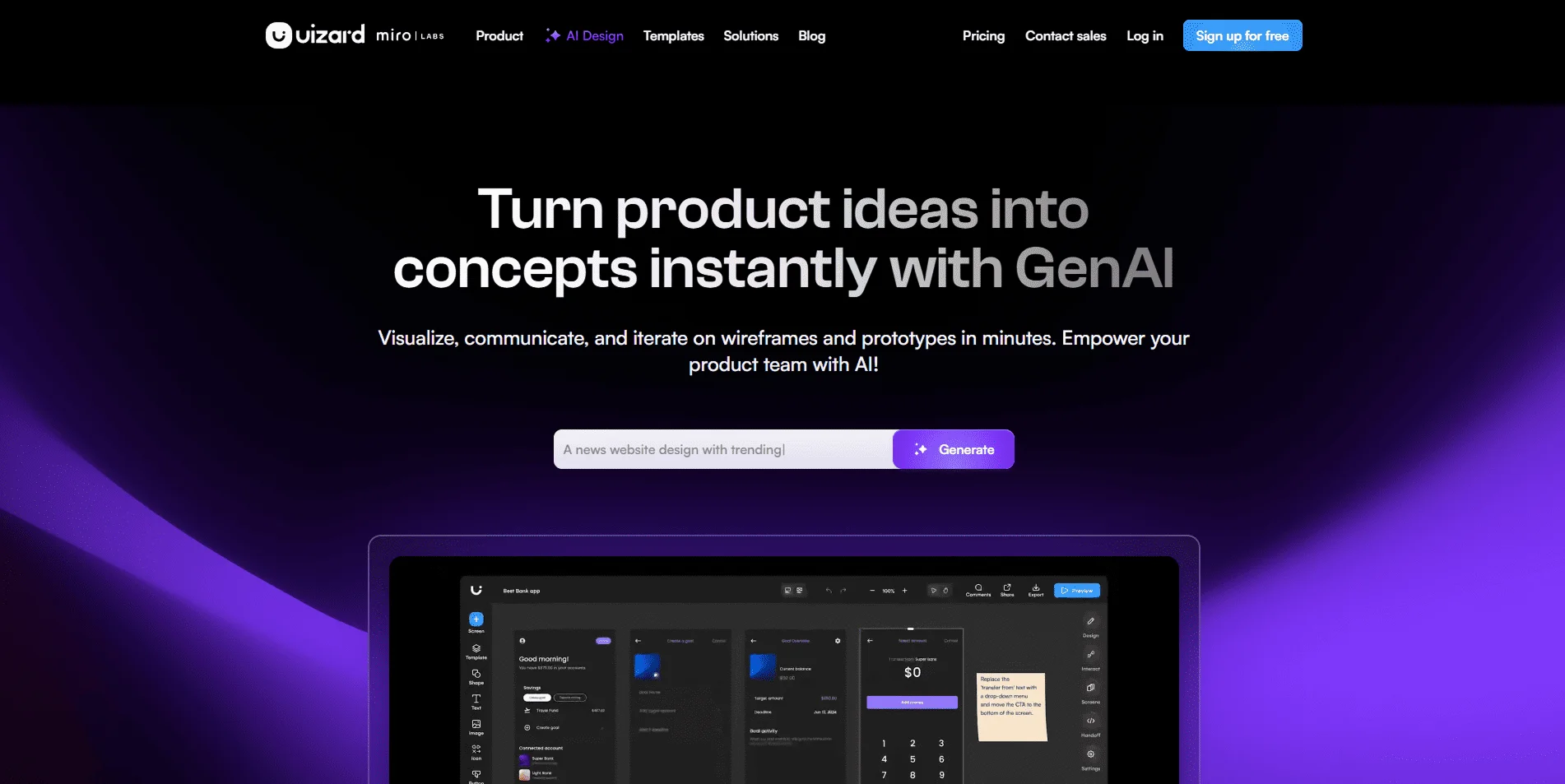
Uizard turns hand-drawn sketches into high-fidelity mockups using AI.
Non-designers find this the easiest entry point into UI design.
Text prompts alone can generate usable screen layouts quickly.
Startups validating ideas fast lean heavily on this AI-first workflow.
6. UXPin
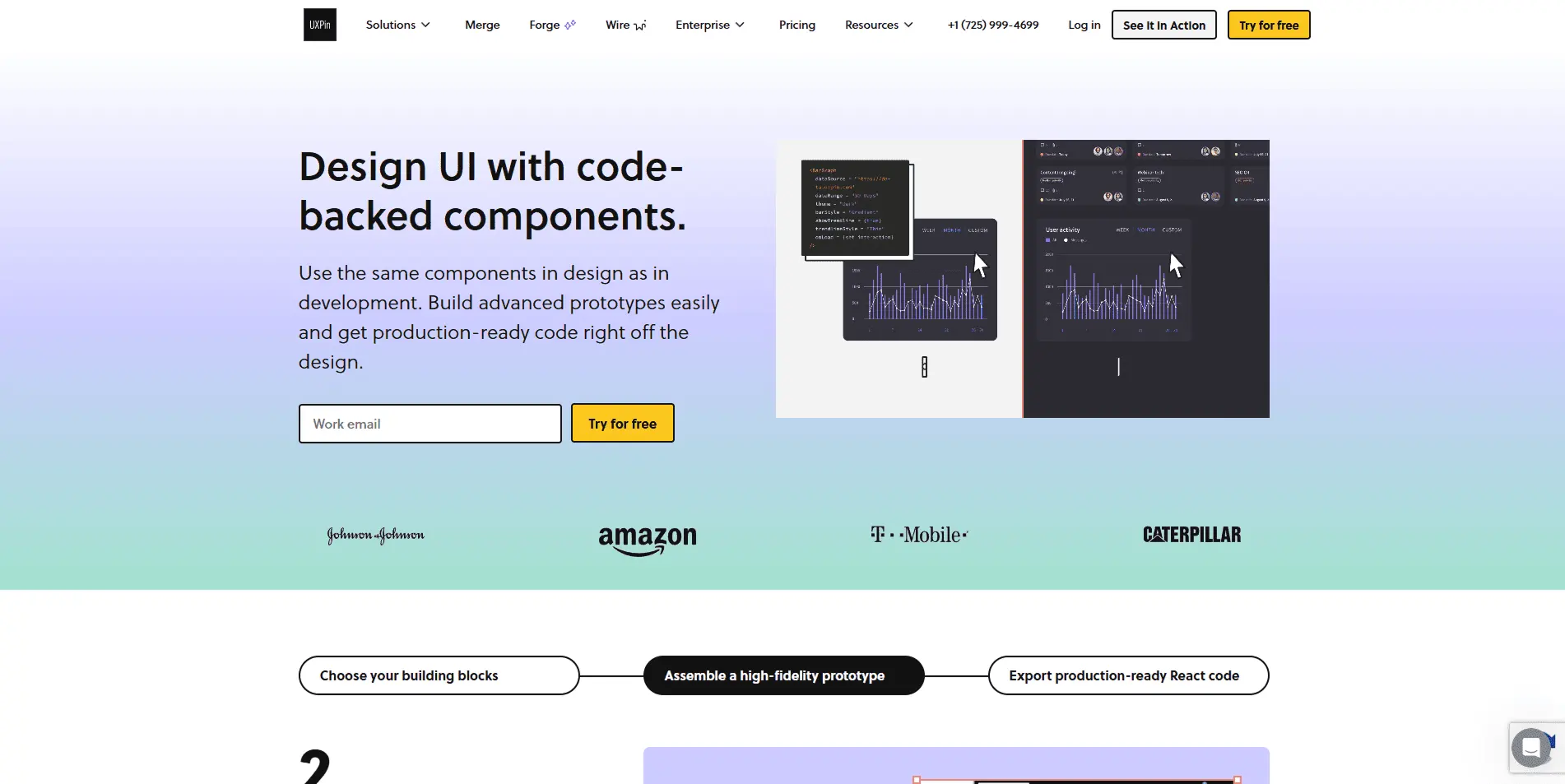
UXPin builds prototypes using real HTML, CSS, and JavaScript components.
Conditional logic adds genuine interactivity like form validation and variables.
Enterprise teams like Sony and Microsoft rely on it for design-developer alignment.
Data-driven prototypes using real API calls set it apart clearly.
7. Protopie
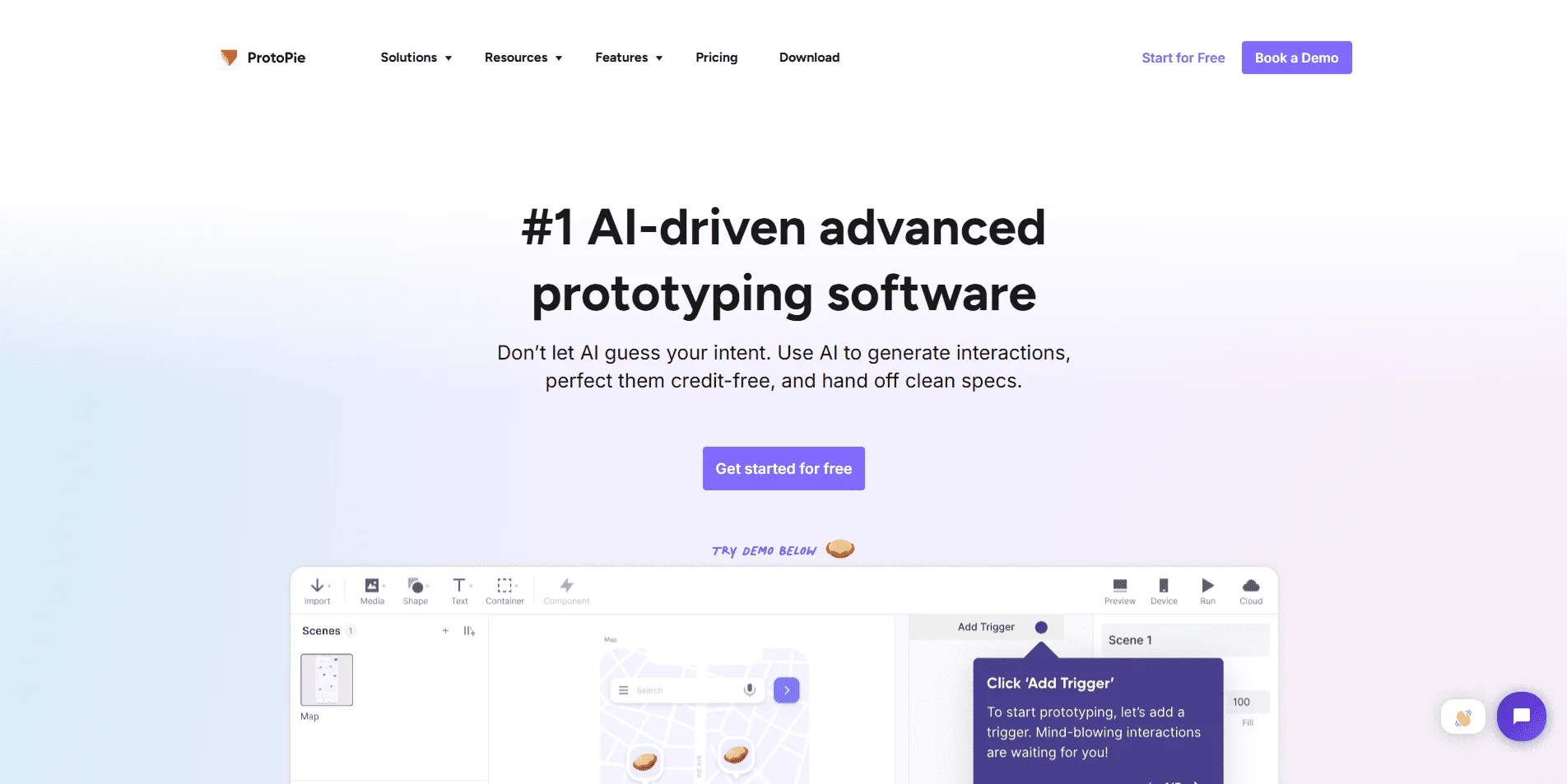
Protopie specializes in advanced, sensor-based interaction design work.
Micro-interactions and complex animations come to life without writing code.
Teams building hardware-adjacent or highly interactive products choose Protopie specifically.
Its prototyping depth exceeds what most general design tools offer.
Comparing the Best Figma Alternatives for 2
| Tool | Best For | Offline Access | Pricing |
|---|---|---|---|
| Penpot | Open-source teams, data ownership | Yes (self-hosted) | Free |
| Sketch | Mac-only design teams | Yes | From $10/mo per editor |
| Framer | Code-friendly prototyping | No | Free plan available |
| Lunacy | Cross-platform, budget team | Yes | Free |
| Uizard | Non-designers, fast validation | No | From $39/month |
| UXPin | Enterprise,code-based design | No | From $6/month |
| Protopie | Advanced interaction design | No | Paid plans |
How to Choose the Right Figma Alternative
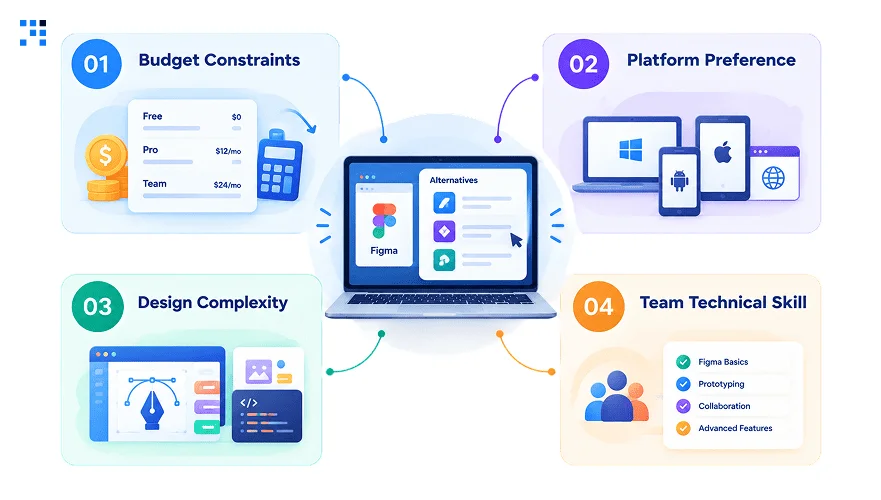
1. Budget Constraints
Free tools like Penpot and Lunacy suit lean teams.
Enterprise features often justify paid platforms like UXPin.
Cost per editor matters most as headcount grows.
2. Platform Preference
Mac-only teams gravitate naturally toward Sketch specifically.
Cross-platform needs point toward Lunacy or Penpot instead.
Browser-based tools work best for distributed teams.
3. Design Complexity
Simple wireframes need less power than complex prototypes.
Advanced interaction design demands tools like Protopie.
Matching complexity to tooling avoids unnecessary overhead.
4. Team Technical Skill
Non-technical teams benefit most from AI-driven tools.
Developer-heavy teams prefer code-integrated options like Framer.
Skill level should shape which alternative fits best.
How We Provide UI/UX Design Services
1. Research-Driven Design
Every project starts with understanding real user behavior first.
Design decisions trace back to actual business goals.
Guesswork gets replaced with informed, tested choices.
2. Prototyping That Validates
Interactive prototypes get tested before full development begins.
This catches usability issues while changes stay cheap.
Stakeholders see and approve flows early on.
3. Design Systems Built to Scale
Consistent components get built once, reused everywhere.
New features inherit established visual patterns automatically.
This keeps growing products looking cohesive long-term.
4. Cross-Platform Consistency
Web, mobile, and desktop experiences stay visually aligned.
Users get one consistent brand feel everywhere.
Consistency directly builds trust across every touchpoint.
5. Collaborative Iteration
Feedback loops stay tight between design and stakeholders.
Revisions happen quickly without long approval delays.
This keeps projects moving without unnecessary back-and-forth.
FAQs
It depends on your budget, platform, and how technical your team is, an open-source tool like Penpot suits a different team than an AI-first tool like Uizard. We usually walk clients through this decision as part of scoping any UI/UX project.
Yes, tools like Penpot and Lunacy remove licensing costs entirely, and we scope design work to match early-stage budgets realistically. Good design doesn’t have to mean an enterprise price tag.
Timelines vary by scope, but a focused prototype and design system can often come together in a few weeks. We prioritize validating the core user flow before polishing every screen.
Timelines vary by scope, but a focused prototype and design system can often come together in a few weeks. We prioritize validating the core user flow before polishing every screen.
Yes, we design with developer handoff in mind from the very first wireframe. This keeps the gap between design and development small and predictable.