Cloud migration is supposed to reduce costs. Yet in reality, many companies see 30% to 70% higher cloud bills within months of moving to AWS, Azure, or Google Cloud.
We build, migrate, and scale cloud systems for startups and enterprises. Over the years, we’ve fixed serious cloud cost overruns that appeared right after migration.
We are writing this from real post-migration experience.
We’ve audited dozens of cloud infrastructures, worked across AWS and Azure, & handled multiple post-migration optimization projects where cloud costs were going out of control.
If your cloud bills increase after migration and you’re wondering “What went wrong?”, you’re not alone, and you’re in the right place.
The Market Size of Cloud Migration Services is expected to reach $70.34 Billion by the end of 2030.
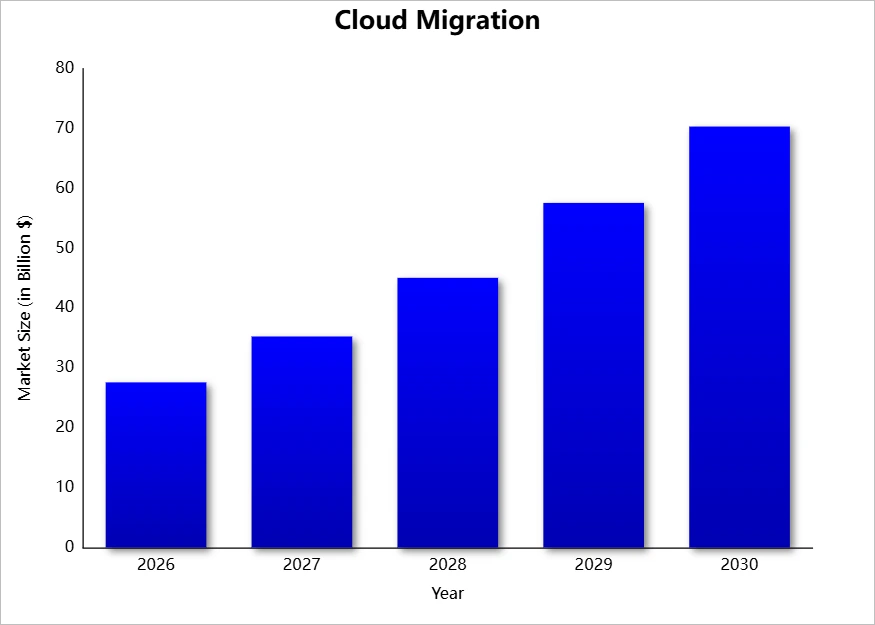
Source: Grand View Research
What Changes After Cloud Migration That Increase Costs?
After cloud migration, many teams feel confused and frustrated. They move to AWS or Azure expecting savings, but instead, they see cloud costs increasing every month.
These are the most common problems we hear:
- We moved to the cloud, and our bills doubled.
- It’s very hard to understand why AWS costs are increasing.
- Our cloud usage grew, but our revenue didn’t.
Why Does This Happen After Migration?
The biggest change after cloud migration is how costs work.
On-premise infrastructure uses fixed costs. You buy servers once and run them for years. Cloud works on variable costs. In the cloud:
- Every API call costs money.
- Every storage read or write costs money.
- Every idle server running 24/7 costs money.
If cloud usage is not tracked properly, these small charges slowly turn into a high cloud infrastructure cost.
Most teams also lack clear visibility into where money is going. Without proper cloud cost management tools and processes, cost leaks stay hidden until the bill arrives.
This is why cloud migration costs often increase instead of decreasing.
Businesses Facing the Same Cloud Cost Problem
This problem is not limited to one company or industry.
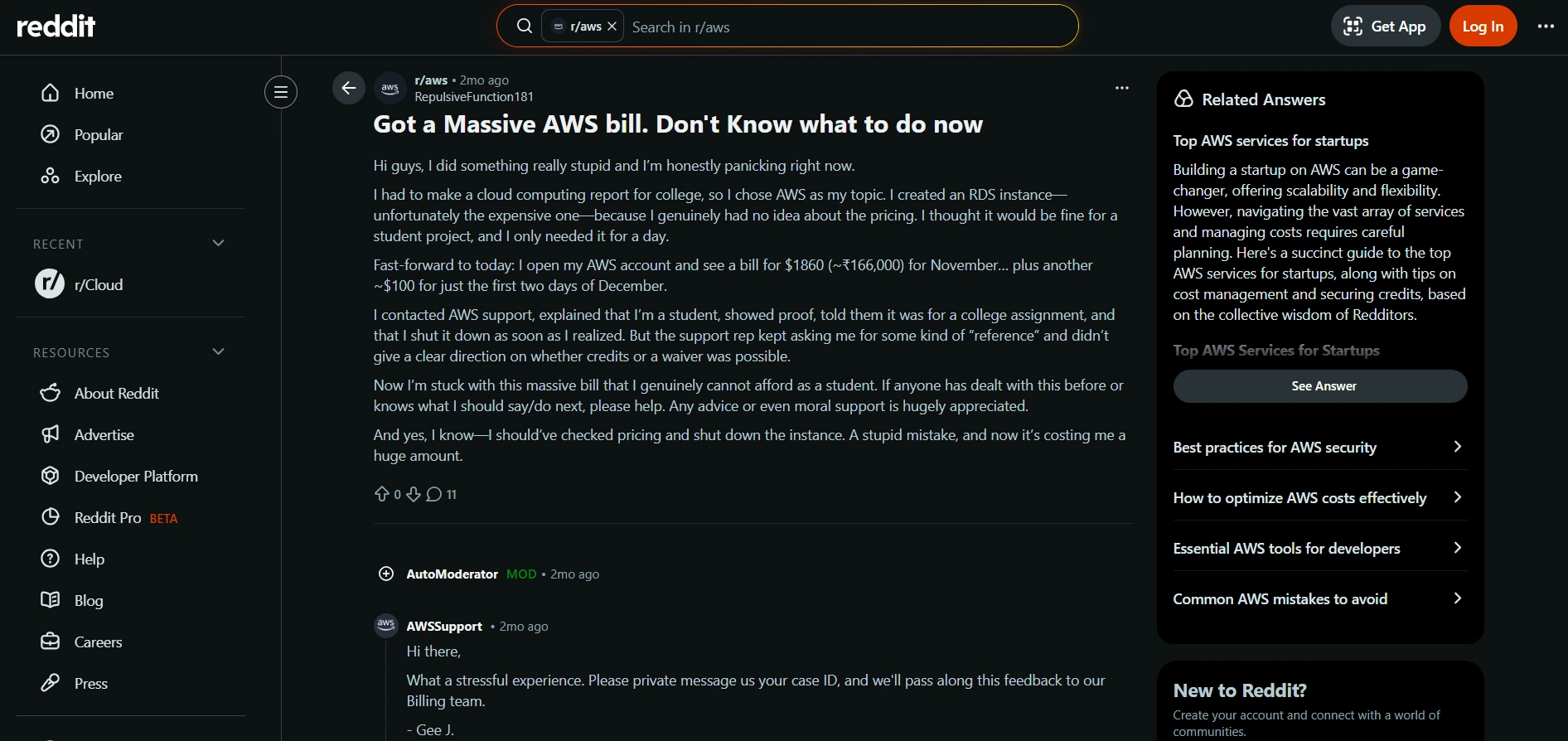
Source: Reddit
On Reddit, many founders, CTOs, and engineers openly talk about rising cloud costs after migration. Common stories include:
- AWS bills are doubling after the lift-and-shift migration.
- Azure costs are increasing without traffic growth.
- No clear idea which service is burning money.
These real discussions show one clear pattern: Cloud cost optimization is usually ignored right after migration.
Seeing real businesses struggle with the same issue builds one clear truth: Rising cloud costs after migration are common but avoidable.
How We Reduced Cloud Cost After Migration?
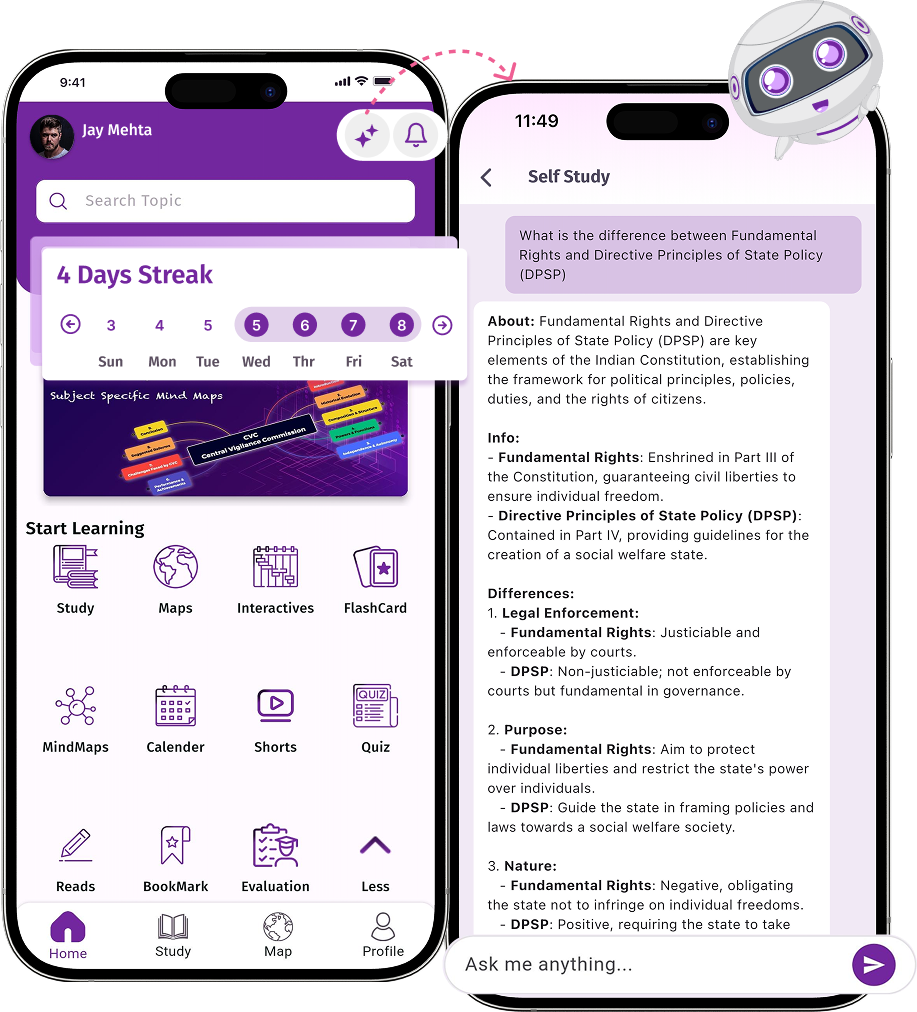
A fast-growing UPSC preparation app called Self-Study migrated to AWS to handle increasing users.
Instead of cost savings, their cloud migration costs kept increasing every month, even without sudden traffic spikes.
Why Was Their Cloud Bill Increasing Every Month?
- Our audit showed over-provisioned servers running 24/7, unused storage services, and inefficient backend API calls.
- These issues quietly increased their cloud infrastructure cost due to poor visibility and weak cloud cost management.
How We Optimized Its Cloud Infrastructure?
- We performed a detailed cloud cost audit, right-sized compute resources based on real usage, removed idle services, & improved architecture efficiency through cloud architecture optimization.
What Results We Achieved?
- 32% reduction in monthly cloud infrastructure cost within the first 60 days.
- 25% improvement in backend response time after architecture optimization.
- Zero downtime during optimization and scaling changes.
- Clear visibility into cloud usage and spending through better cloud cost management.
This clearly showed how focused cloud cost optimization can reduce cloud costs after migration while supporting growth.
Why Cloud Cost Optimization Fails Right After Migration?
Many companies plan cloud migration carefully, but cloud cost optimization is often ignored until bills start hurting. By then, the damage is already done.
Let’s see the real reasons why cloud costs increase right after migration.
Why Lift-and-Shift Migration Increases Cloud Costs?
Lift-and-shift means moving applications to the cloud without changing how they are built. This approach increases cloud migration cost because:
- Legacy applications are not cloud-native and don’t scale efficiently.
- Instances are over-provisioned to “stay safe”.
- Auto-scaling is not configured at all.
The cloud ends up running like an expensive data center but with pay‑per‑use pricing.
Why Teams Use Extra Cloud Resources?
After migration, teams usually allocate more resources than needed. Common reasons include:
- Fear of downtime during traffic spikes.
- No proper load testing before going live.
- Development teams don’t own cloud infrastructure costs.
This results in oversized servers and higher cloud infrastructure costs, even when traffic is low.
Why Does Poor Architecture Design Increase Monthly Bills?
Cloud cost problems are often architecture problems. Poor design choices increase costs, such as:
- Monolithic applications instead of scalable microservices.
- No caching layer for frequently accessed data.
- Inefficient data access patterns that increase API and database calls.
Without proper cloud architecture optimization, cloud costs keep growing every month.
How Do We Approach Cloud Cost Optimization?
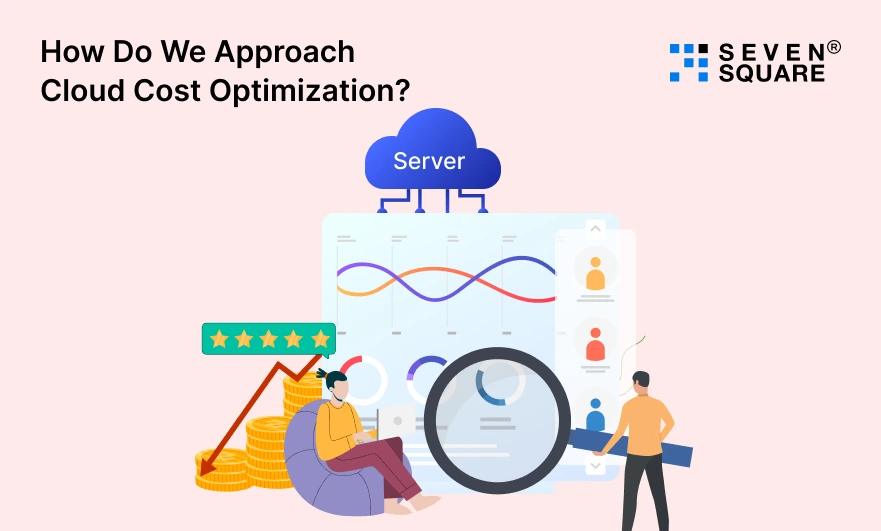
We don’t believe in blindly cutting cloud resources. That usually breaks performance and affects users. Instead, we balance:
Cost + Performance + Scalability
Our cloud cost optimization approach includes:
1. Cloud Cost Audit
- We analyze your complete cloud infrastructure cost to understand where money is actually being spent.
2. Usage Analysis
We study real usage patterns to find:
- Overused resources.
- Underused and idle services.
- Hidden cost leaks.
3. Architecture Review
- We review the overall system design and suggest cloud architecture optimization that supports growth without wasting money.
The end goal is simple: Reduce cloud costs while keeping your system fast, stable, & scalable. This is how effective cloud cost management should work after migration.
What Happens If You Ignore Cloud Cost Optimization?
Ignoring cloud cost optimization may not hurt immediately, but over time, it creates serious business problems.
What Your Competitors Are Doing?
While you struggle with rising cloud bills, your competitors are:
- Running a leaner and optimized cloud infrastructure.
- Scaling faster without cost panic.
- Investing saved cloud costs into product growth and marketing.
They move faster because their cloud cost management is under control.
What Happens If You Don’t Act?
If you ignore rising cloud costs:
- You keep burning money every month.
- Feature development slows down due to budget pressure.
- Cloud infrastructure cost limits your ability to scale.
Over time, high cloud migration costs become a growth blocker instead of a business enabler.
How Do We Help You Control Cloud Costs Without Hurting Scale?
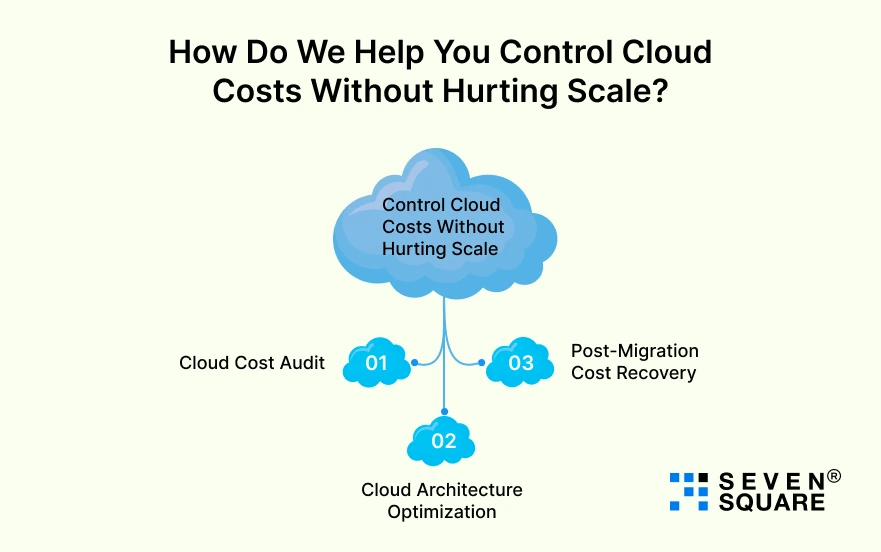
We focus on long-term cloud cost optimization, not short-term fixes that break systems. We help you control cloud costs through:
1. Cloud Cost Audit
- We review your complete cloud setup to identify waste, inefficiencies, and hidden cost leaks across services.
2. Cloud Architecture Optimization
- We redesign parts of your architecture to ensure better performance, scalability, and lower cloud infrastructure cost.
3. Post-Migration Cost Recovery
- We help businesses recover from high cloud migration costs by fixing over-provisioning, idle resources, and poor design decisions.
Our goal is simple: Reduce cloud costs without hurting scale, reliability, or user experience.
What to Do Next If Your Cloud Costs Are Increasing?
If your cloud bills are increasing after migration, taking the right steps early can save a lot of money.
Cloud Cost Control Checklist
Use this checklist to regain control:
- Review post-migration cloud usage in detail.
- Identify idle and unused cloud resources.
- Check if your architecture supports auto-scaling.
- Monitor API calls, storage access, and data transfer costs.
- Implement proper cloud cost management practices.
- Get a professional cloud cost audit.
Acting early makes cloud cost optimization easier and far more effective.
FAQs
- Cloud costs increase after migration because of over-provisioned resources, poor architecture design, & lack of cloud cost management.
- You can reduce cloud costs by performing a cloud cost audit, optimizing architecture, enabling auto-scaling, and removing unused resources.
- Cloud cost optimization is the process of reducing cloud infrastructure cost while maintaining performance, scalability, and reliability.
- Cloud cost audits should be done regularly, especially after migration and before scaling, to avoid long-term cost leaks.