How can I improve last mile delivery efficiency?
Use real-time tracking apps, GPS tracking, and route optimization to reduce delays by up to 30%, improve ETAs & fleet visibility, and make faster, data-driven delivery decisions.
Late deliveries are directly impacting customer trust and business growth.
When shipments miss their expected delivery time, customers get frustrated, support teams get overwhelmed, and companies lose repeat business.
In fact, studies show that consistent delivery delays in logistics can reduce customer retention by up to 25% and significantly increase operational costs.
For logistics companies already dealing with tight margins, this becomes a serious challenge.
Last mile delivery challenges like traffic congestion, poor route planning, and lack of real-time updates make it difficult to maintain accurate ETAs.
So how can companies fix this? The answer is to adopt a real-time tracking app for logistics.
Instead of relying on outdated systems, businesses can track shipments live, respond to issues instantly, and make smarter decisions on the go.
The result? Companies can improve delivery efficiency and cut delays by up to 30%, turning logistics from a bottleneck into a competitive advantage.
Why Logistics Companies Struggle With Delivery Delays?
Most delivery delays happen due to multiple small inefficiencies across the system.
Let’s see the most common logistics management system issues and delivery tracking problems:
- Lack of Real-Time Visibility: Without live tracking, companies don’t know where shipments actually are. This leads to blind spots and delayed decisions.
- Poor Route Planning: Static routes don’t account for traffic, weather, or roadblocks. This increases delivery time and fuel costs.
- Inefficient Fleet Coordination: Drivers, dispatchers, and operations teams often work in silos, causing miscommunication and delays.
- No Predictive ETA Updates: Customers and teams rely on fixed delivery times that don’t adjust based on real conditions.
- Manual Tracking Systems: Spreadsheets and manual updates slow everything down and increase the chances of errors.
All these issues combined create a system where delays are almost unavoidable.
How We Created an App to Reduce Delivery Delays by 30%?
Instead of just explaining how to build a real-time tracking app, let’s show you how we actually solved this problem for a real client.
A logistics company approached us with a common but critical issue:
- Frequent delivery delays are impacting customer satisfaction.
- No real-time visibility into vehicle locations.
- Inefficient communication between drivers and the operations team.
- Poor route planning leads to wasted time and fuel.
Their existing system had major delivery tracking problems and lacked the ability to respond to real-time situations.
Our Approach: Build a Smart, Real-Time Logistics Tracking System
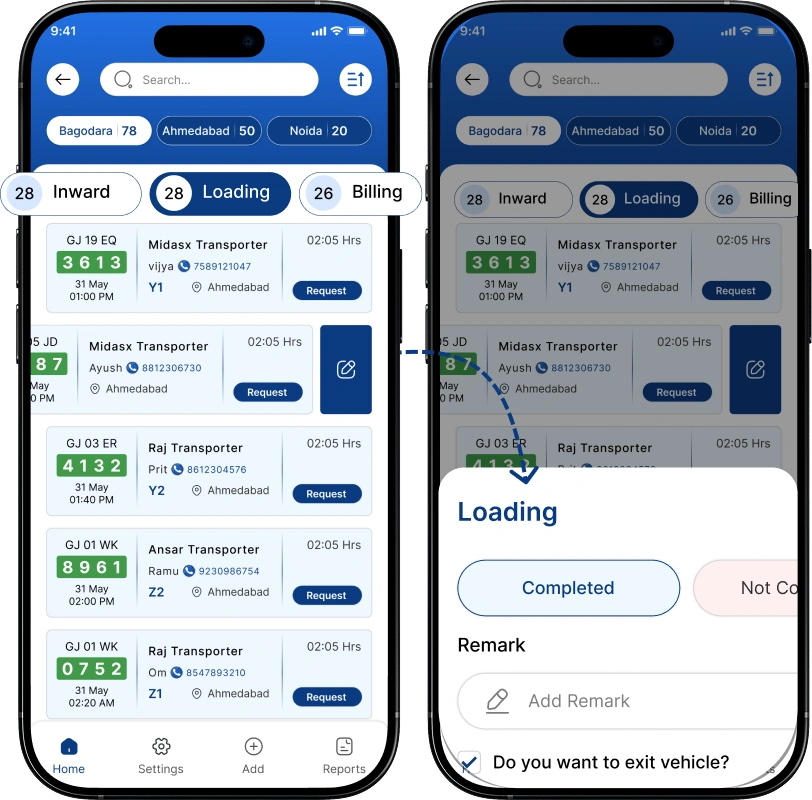
We focused on building a real-time Vehicle Monitoring app for logistics that delivers instant visibility and actionable insights.
1. Real-Time GPS Tracking Engine
- We built a powerful real-time GPS tracking system that shows live vehicle movement on a centralized dashboard.
- This eliminated guesswork and gave operations teams’ full control.
2. Intelligent Route Optimization
- Using dynamic route optimization software, we ensured drivers always take the fastest route based on live traffic conditions.
- This alone reduced unnecessary delays significantly.
3. Live Alerts & Notifications
We implemented real-time alerts for:
- Route deviations.
- Delays.
- Idle time.
This helped teams take immediate action instead of finding issues too late.
4. Automated ETA Updates
- We replaced static ETAs with dynamic predictions based on live data.
- This improved planning and reduced failed deliveries.
5. Fleet Analytics Dashboard
We created a performance dashboard to track:
- Driver efficiency.
- Route performance.
- Delivery timelines.
This turned raw data into actionable insights.
The Result: 30% Reduction in Delivery Delays
After implementing the solution, the impact was clear:
- 30% reduction in delivery delays within the first 3 months.
- 25 to 35% faster route completion time.
- 40% improvement in operational decision-making speed.
- 20 to 25% increase in customer satisfaction because of accurate ETAs and live tracking.
This is the real benefit of real-time tracking in logistics: It transforms operations.
Want a Custom Logistics Tracking App?
Must-Have Features in a Logistics Real-Time Tracking App
To build an effective solution, companies need the right mix of fleet management app features and advanced capabilities. Here are the required:
Core Features
- Live Vehicle Tracking (GPS-Based): Track every vehicle in real time with high accuracy using GPS technology.
- Real-Time Shipment Tracking Dashboard: A centralized dashboard to monitor all deliveries and shipments in one place.
- Driver Tracking System: Keep track of driver location, activity, and performance for better coordination.
- Automated ETA & Notifications: Provide real-time updates to customers and teams about delivery status.
- Route Optimization Engine: Use intelligent algorithms to select the fastest and most efficient delivery routes.
Advanced Features
- AI-Based Delivery Predictions: Predict delays and optimize delivery schedules using AI-powered insights.
- Fleet Performance Analytics: Analyze driver behavior, route efficiency, and delivery performance.
- Geofencing Alerts: Get notifications when vehicles enter or exit specific locations.
- Proof of Delivery (POD): Capture digital signatures, photos, or confirmations upon delivery.
- Multi-Order Tracking: Manage and track multiple deliveries simultaneously with ease.
By integrating these GPS tracking features for delivery apps, logistics companies can build a powerful system that reduces delays and improves customer satisfaction.
Learn How Can AI Improve the Adoption of Internal Tools in Logistics Operations.
Step-by-Step Guide to Building a Real-Time Tracking App for Logistics
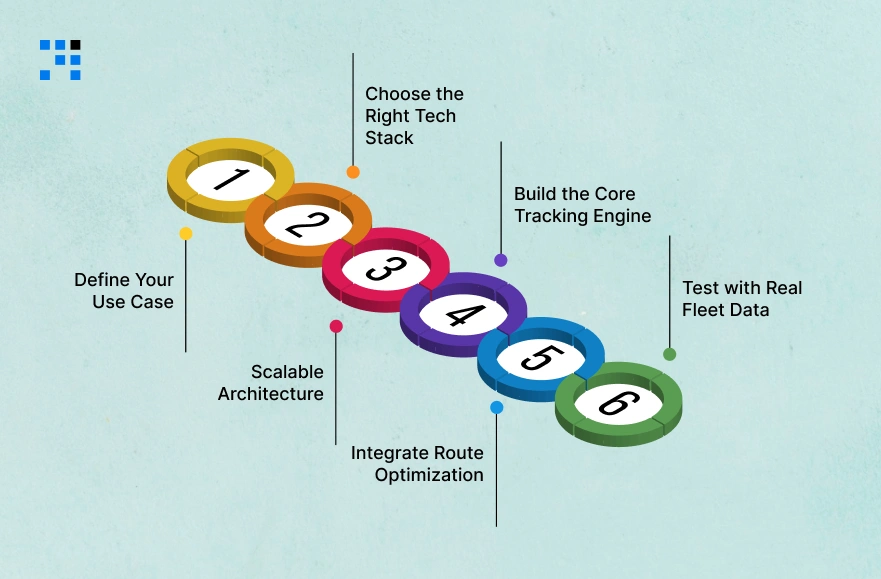
If you’re wondering how to build a real-time tracking app, the process doesn’t have to be complicated.
Here’s a practical step-by-step guide to successful logistics app development:
Step 1: Define Your Use Case
Start by identifying what type of logistics operation you want to optimize:
- Fleet management.
- Last-mile delivery.
- Enterprise logistics operations.
Each use case requires different features, so clarity here is important.
Step 2: Choose the Right Tech Stack
Selecting the right tools ensures performance and scalability.
- Frontend: React Native or Flutter (for cross-platform apps).
- Backend: Node.js or Python (for handling data and APIs).
- Maps Integration: Google Maps API for location tracking.
- Real-Time Updates: WebSockets or Firebase for instant data sync.
A strong foundation here directly impacts your app’s performance.
Step 3: Design Scalable Architecture
A well-planned real-time tracking app architecture ensures your app can handle growth. Focus on:
- Handling thousands of live tracking requests.
- Storing and processing real-time data efficiently.
- Ensuring fast response times.
Scalability is important if you plan to expand operations.
Step 4: Build the Core Tracking Engine
This is the heart of your app.
- Integrate GPS tracking.
- Capture live location data.
- Display movement on a real-time dashboard.
This allows accurate tracking of vehicles and shipments.
Step 5: Integrate Route Optimization
Add intelligent routing to improve delivery speed.
- Use real-time traffic data.
- Optimize routes dynamically.
- Reduce fuel consumption and delays.
This step plays a major role in improving efficiency.
Step 6: Test with Real Fleet Data
Before launch, test your app in real-world conditions:
- Track actual vehicles.
- Monitor performance under load.
- Fix bugs and optimize accuracy.
Real-world testing ensures reliability and smooth operations.
Cost to Build a Real-Time Logistics Tracking App
The cost to build a logistics tracking app depends on the complexity, features, and scale of your solution. Here’s a rough breakdown:
MVP (Minimum Viable Product)
- Basic tracking features
- Limited integrations
- Estimated Cost: $2,000 to $4,000
Mid-Level App
- Advanced tracking + dashboards
- Route optimization + notifications
- Estimated Cost: $4,000 to $8,000
Advanced AI-Powered App
- AI-based predictions
- Analytics + automation
- Enterprise-level scalability
- Estimated Cost: $10,000+
Struggling with Delivery Delays?
Use Cases of Logistics Tracking Apps
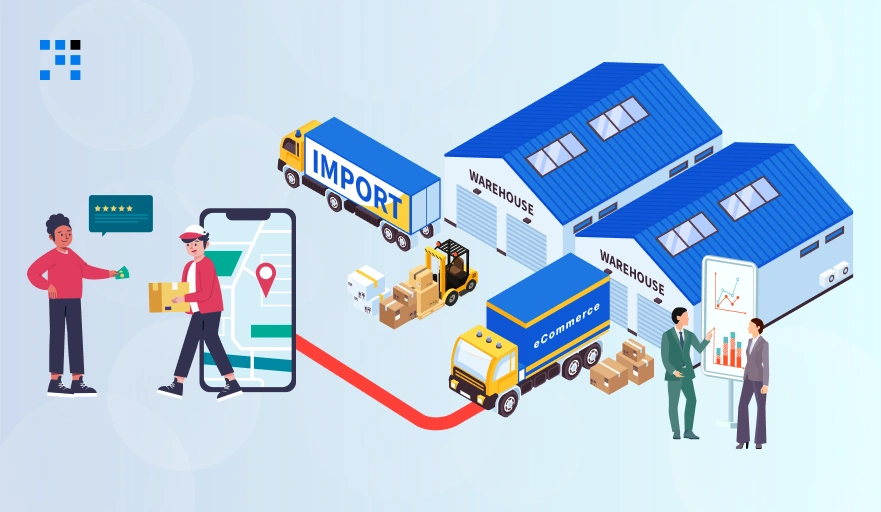
A real-time tracking app for a delivery business can be used across multiple industries:
- eCommerce Delivery Tracking: Track orders in real time and provide accurate delivery updates to customers.
- Fleet Management Companies: Monitor vehicles, drivers, and routes to improve overall efficiency.
- Courier & Last-Mile Startups: Optimize last-mile delivery and reduce delays with live tracking.
- Enterprise Logistics Operations: Manage large-scale logistics networks with centralized tracking systems.
These use cases show how versatile and impactful tracking apps can be.
Build Smarter, Deliver Faster
In the logistics industry, delays are not acceptable. Customers expect speed, accuracy, and transparency.
By investing in a real-time tracking app for logistics, companies can reduce delays by up to 30%, improve efficiency, and deliver a better customer experience.
This is a necessity for staying competitive. If you want to scale your logistics operations, now is the time to build smarter and deliver faster.
FAQs
- A real-time tracking app uses GPS, APIs, and live data updates to track vehicles and shipments, providing instant visibility into delivery status and location.
- They provide live tracking, route optimization, and real-time alerts, helping businesses respond quickly and avoid delays.
- Necessary features include GPS tracking, real-time dashboards, route optimization, automated ETAs, and delivery notifications.
- A modern stack includes Flutter or React Native for frontend, Node.js or Django for backend, and Firebase or Socket.io for real-time updates.