Which development approach will you regret in two years?
The answer comes down to cost, speed and how far you need it to grow. Native, cross-platform and no-code each tell a very different story and most teams only read it after they have committed.
Choosing the best way to build a mobile app in 2026 isn’t as simple as it used to be.
Businesses are stuck between native vs cross-platform vs no-code app development, each offering different benefits.
Should you focus on performance or speed? Save cost or build for long-term scalability? These decisions can directly impact your app’s success.
By the end of this blog, you’ll know exactly which mobile app development approach fits your business needs, budget, and growth goals.
Mobile App Development in 2026: What Has Changed?
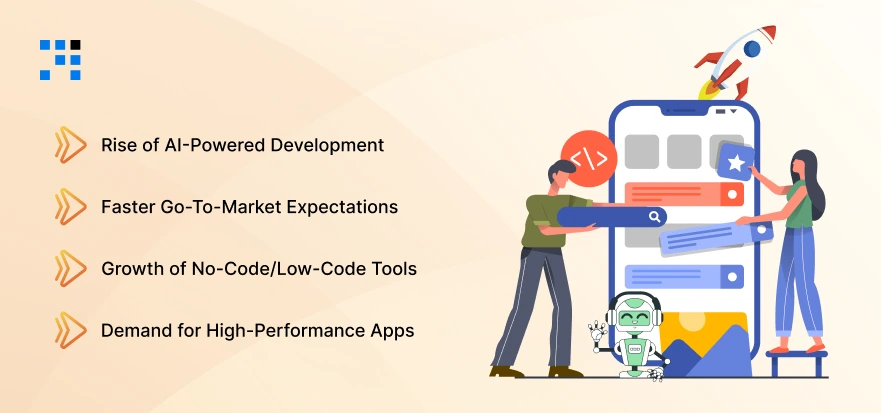
Mobile app development in 2026 has evolved quickly. Businesses are choosing speed, scalability, and smarter development strategies.
- Rise of AI-Powered Development: AI tools are helping developers write code faster, automate testing, and improve app performance. This has made development quicker and more efficient than ever.
- Faster Go-To-Market Expectations: Startups and businesses now want apps launched in weeks, not months. This change is increasing demand for cross-platform and no-code app development.
- Growth of No-Code/Low-Code Tools: No code app development platforms are booming, allowing non-developers to build apps without coding. This trend is especially popular for MVPs and small businesses.
- Demand for High-Performance Apps: Users expect fast, smooth, and bug-free apps. This keeps native app development highly relevant, especially for performance-heavy applications.
In short, mobile app development trends in 2026 are all about balancing speed, cost, and performance.
A Quick Comparison of Native vs Cross-Platform vs No-Code
If you’re confused between native vs cross platform vs no code, here’s a quick comparison to simplify your decision:
| Factor | Native App Development | Cross-Platform Development | No-Code / Low-Code Development |
| Performance | Best | Good | Basic |
| Cost | High | Medium | Low |
| Development Time | Slow | Faster | Fastest |
| Scalability | Excellent | Good | Limited |
| Best Use Cases | Complex & high-performance apps | Startups & scalable apps | MVPs & simple apps |
This comparison shows that there is no “one-size-fits-all” solution. The best app development method depends on your goals.
Build Smarter Apps with Our Expertise
- We specialize in native & cross platform app development to help you choose the right technology confidently.
- Our developers create scalable apps by combining performance-focused native development with flexible cross-platform solutions.
- We reduce development time using no-code and low code app development for faster go-to-market strategies.
- Our team ensures optimized cost, performance, and scalability across all mobile app development approaches.
Want a Native, Cross-Platform, or No-Code Application?
What Is Native App Development?
Native app development means building apps specifically for a single platform, like Android or iOS, using platform-specific technologies.
It is often considered the best option when performance and user experience matter the most.
Advantages
- High Performance: Native apps run smoothly because they are optimized for a specific platform.
- Better User Experience (UX): They provide a more responsive and seamless experience compared to other approaches.
- Full Device Access: You can access device features like GPS, camera, and sensors without limitations.
Disadvantages
- Higher Cost: You need separate development for Android and iOS, which increases cost.
- Separate Codebases: Managing two codebases makes development and maintenance more complex.
Best Use Cases
- Enterprise-level applications.
- Gaming apps.
- Performance-heavy apps like fintech or streaming platforms.
When comparing native vs cross platform, native is the best choice for performance-first apps.
What Is Cross-Platform App Development?
Cross-platform app development allows you to build a single app that works on both Android and iOS using one codebase.
It has become a popular choice for businesses looking to balance cost and performance.
Advantages
- Single Codebase: Write once and deploy on multiple platforms, saving time and effort.
- Faster Development: Compared to native, apps can be built and launched much quicker.
- Cost-Effective: Lower development cost makes it ideal for startups.
Disadvantages
- Slight Performance Trade-Offs: Not as fast as native apps in complex scenarios.
- Dependency on Frameworks: Performance and updates depend on frameworks like React Native or Flutter.
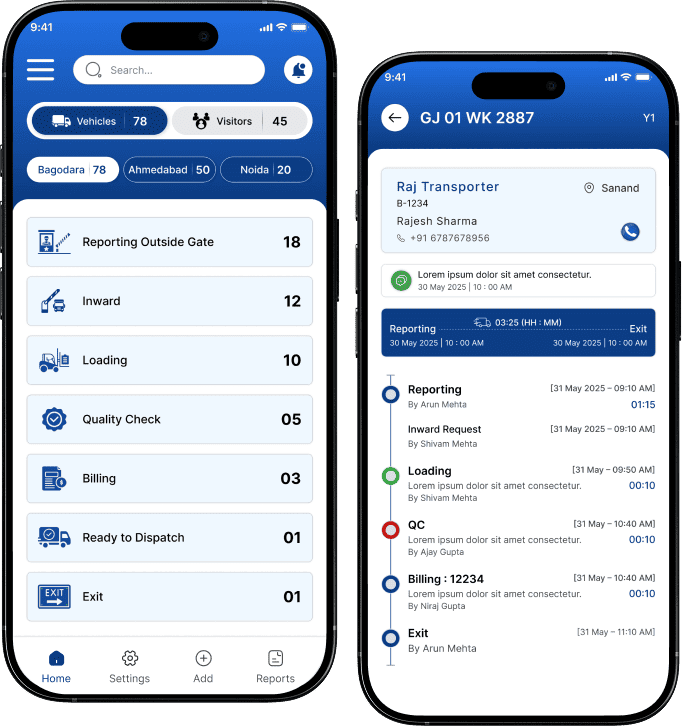
We used Flutter to build a Vehicle Monitoring App for a manufacturing client who was managing vehicle movement with paper registers and verbal updates across departments.
We replaced the entire process with a Flutter app that tracked every vehicle from entry to exit in real time.
When an app removes that kind of daily chaos, it stops being a tool and starts being how the plant actually runs.
Popular Frameworks
React Native vs Flutter vs Native is a common debate in 2026.
- React Native: Backed by the JavaScript ecosystem.
- Flutter: Known for UI flexibility and performance.
Cross-platform vs native performance is improving, making cross-platform a strong middle-ground choice.
What Is No-Code / Low-Code App Development?
No code app development platforms allow you to build apps without writing code, using drag-and-drop tools.
This approach is growing rapidly in mobile app development in 2026, especially for quick launches.
Advantages
- Fastest Development: Apps can be built in days instead of months.
- No Coding Required: Perfect for non-technical founders and small teams.
- Low Cost: Significantly cheaper than traditional development.
Disadvantages
- Limited Customization: You can’t build highly complex or unique features.
- Scalability Issues: Not ideal for apps expecting large growth or heavy traffic.
Best Use Cases
- MVPs (Minimum Viable Products).
- Internal business tools.
- Simple apps with basic features.
When comparing low code vs no code app development, both focus on speed, but no-code is best for quick and simple solutions.
Cost Comparison: Native vs Cross-Platform vs No-Code
Understanding the cost of mobile app development is one of the biggest factors when choosing the right approach.
Let’s see the no code vs traditional app development cost comparison in a simple way.
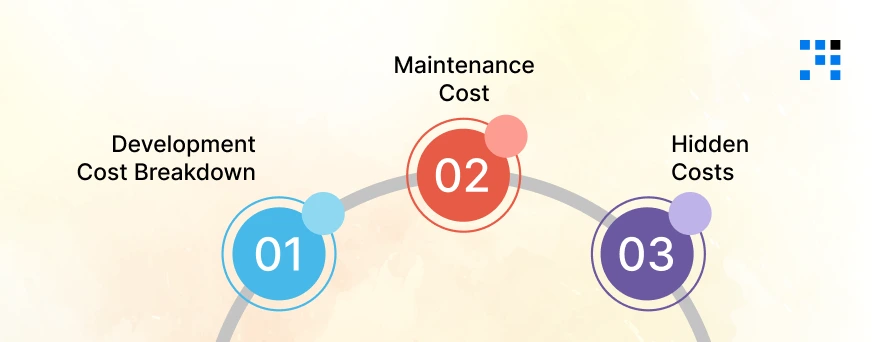
1. Development Cost Breakdown
- Native App Development: Highest cost because you build separate apps for Android and iOS. Requires larger teams and more time.
- Cross-Platform App Development: Medium cost. A single codebase reduces development time and team size.
- No-Code / Low-Code Development: Lowest cost. You can build apps quickly without hiring a large development team.
2. Maintenance Cost
- Native Apps: High maintenance cost due to multiple codebases and frequent updates.
- Cross-Platform Apps: Moderate maintenance since updates are applied across platforms at once.
- No-Code Apps: Low maintenance initially, but costs may increase if you need platform upgrades or migrations later.
3. Hidden Costs
- Native: Longer development time & higher developer salaries.
- Cross-Platform: Framework limitations & plugin dependencies.
- No-Code: Subscription fees, limited scalability & platform lock-in.
The right choice depends on your budget and long-term vision, not just initial cost.
Learn How React Native Helps to Reduce Mobile App Development Costs.
Which App Development Method Is Fastest to Launch?
If your goal is speed, you need to understand which app development method is fastest to launch.
Time-to-Market Comparison
- No-Code Development: Fastest (days to weeks).
- Cross-Platform Development: Moderate (weeks to a few months).
- Native Development: Slowest (months).
Real-World Scenarios
- Startup MVP Launch: No-code is ideal to quickly test an idea in the market.
- Business App with Moderate Complexity: Cross-platform offers a balance between speed and performance.
- High-Performance App (e.g., gaming, fintech): Native is slower but ensures better long-term results.
If speed is your top priority, no-code wins. But for scalability, cross-platform or native may be better.
How to Choose the Right Mobile App Development Approach?
Still confused about how to choose between native and cross platform apps? Here’s a simple decision framework:
Choose Native if:
- You need top performance.
- Your app is complex or feature-heavy.
- You want the best user experience.
- You are building gaming or enterprise apps.
Choose Cross-Platform if:
- You want a balance of cost + performance.
- You need faster development than native.
- You are targeting both Android and iOS users.
- You want scalable apps without high costs.
Choose No-Code if:
- You need speed & a low budget.
- You are building an MVP or prototype.
- You don’t have a technical team.
- Your app has simple functionality.
The best mobile app development approach depends on your business goals.
Is Cross-Platform or No-Code the Future?
So, is cross platform app development worth it in 2026? The answer is yes but with some evolution.
- AI-Assisted Development: AI is making both cross-platform and no-code development faster, smarter, and more efficient.
- Growth of No-Code Tools: No code app development platforms are becoming more powerful & allow businesses to build apps without heavy technical skills.
- Hybrid Development Approaches: Many companies are combining No-code for MVPs, Cross-platform for scaling, & Native for performance-critical features.
The future is not about choosing the right combination.
What’s the Best Way to Build a Mobile App in 2026?
There is no single “best” method when it comes to mobile app development in 2026.
- Choose native app development for performance and advanced features.
- Choose cross-platform development for cost and scalability.
- Choose no-code development for speed and quick launches.
The best approach is the one that matches your budget, timeline, and business goals.
FAQs
- It depends on your needs. Native is best for performance, while cross-platform offers a balance between cost and speed.
- Yes, if you want to launch quickly with a low budget and simple features. It’s perfect for MVPs.
- Yes, in 2026 it is one of the most popular choices due to cost efficiency and faster development.
- You can use no code app development platforms that offer drag-and-drop tools to create apps easily.
- Popular options include React Native and Flutter, depending on your project requirements.