
Most warehouse leaders don’t notice system cracks when operations are small. Everything looks fine at 2,000 orders a day. Reports load. Inventory looks accurate. Dispatch runs on time. Then the scale happens. Order volume doubles. New sales channels are added. Another warehouse goes live. Peak season hits. Suddenly, the warehouse management system that once felt… Continue reading What Causes Warehouse Management Internal Systems to Fail at Scale?
Category: Latest
How Can AI Improve the Adoption of Internal Tools in Logistics Operations?
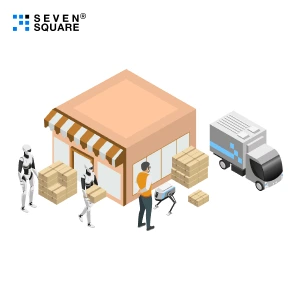
Logistics leaders need to understand the harsh truth that buying internal software does not guarantee teams will use it. Many logistics companies invest heavily in dispatch systems, warehouse tools, fleet dashboards, and tracking platforms. The demos look great. Management is excited. Reports promise efficiency. But after launch, reality looks very different. Teams quietly return to… Continue reading How Can AI Improve the Adoption of Internal Tools in Logistics Operations?
How to Create a Scalable Offline Media Cache Manager in Flutter? (With GitHub Code)

Most Flutter offline caching tutorials work fine in demos but fail badly in real production apps. The biggest reason is that they focus only on basic use cases. Many tutorials rely heavily on cached_network_image. While it’s great for simple image caching, it was never designed to handle large media files, complex cache rules, or offline-first… Continue reading How to Create a Scalable Offline Media Cache Manager in Flutter? (With GitHub Code)
Why Are Internal Fleet Management Systems Failing in Logistics Companies?
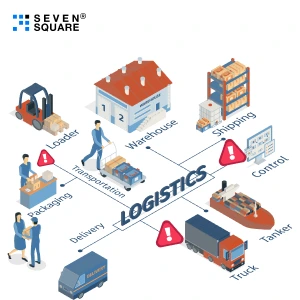
Logistics companies are spending heavily on fleet management software & internal tools. Everything looks modern: Dashboards, GPS tracking, reports, alerts, and analytics. But operations teams are still struggling every single day. Deliveries are delayed. Fuel costs are rising. Vehicles sit idle. Compliance risks keep appearing. Drivers bypass systems. Managers don’t trust the reports. Sound familiar?… Continue reading Why Are Internal Fleet Management Systems Failing in Logistics Companies?
How Does Uber Eats’ AI Assistant Help You Create the Perfect Grocery Cart?

Grocery cart creation is still surprisingly painful. Most people still use manual grocery lists, scattered notes, or memory. The result? Forgotten items, duplicate products, wasted time, and last-minute reorders. Even in modern grocery delivery apps, users still search item by item and build carts manually. That friction adds up. When we design commerce and delivery… Continue reading How Does Uber Eats’ AI Assistant Help You Create the Perfect Grocery Cart?
Why Do Most Logistics Internal Tools Fail to Improve Operational Efficiency?

Delayed dispatches. Manual Excel sheets. ERP and TMS are not syncing. Warehouse staff are avoiding the system and using WhatsApp instead. If this sounds familiar, you’re not alone. Many companies invest heavily in logistics software development, yet operational efficiency does not improve. In fact, sometimes it gets worse. Teams spend more time fixing system errors… Continue reading Why Do Most Logistics Internal Tools Fail to Improve Operational Efficiency?
How to Implement an In-App Feature Rollout Manager in Flutter? (With Complete Code)

Most Flutter apps don’t fail because of bad design; they fail because of bad releases. Many teams follow the risky strategy of “release everything to everyone.” The moment a new feature is merged into production, it becomes visible to 100% of users. If something breaks, crashes, payment errors, or performance drops, the only fix is… Continue reading How to Implement an In-App Feature Rollout Manager in Flutter? (With Complete Code)
How Can AI Recommendations Increase App Retention Rates by 25%?

Most apps don’t fail because of bad features. They fail because users don’t come back. A common pattern looks like this: User installs → opens once → scrolls → feels “meh” → leaves → never returns. This happens even to feature-rich apps with great UI and solid performance. Teams keep adding more features, more banners,… Continue reading How Can AI Recommendations Increase App Retention Rates by 25%?
What Are the Best AI Techniques to Increase Daily Active Users in Mobile Apps?

Mobile apps don’t lose users suddenly; they lose them silently and gradually. Your downloads may look fine. Install numbers may be growing. But if you look closely at your Daily Active Users (DAU) graph, you’ll often see a slow downward slope. That’s the real danger zone. Many product teams ask: How to increase daily active… Continue reading What Are the Best AI Techniques to Increase Daily Active Users in Mobile Apps?
Why Are AI Chatbots Becoming Essential for In-App Customer Retention Strategies?

Most mobile apps don’t fail because of bad features; they fail because users leave too early. Industry reports consistently show that users uninstall an app within the first few days if they don’t get value quickly or can’t get help when they need it. Users expect instant answers, instant fixes, and instant guidance inside the… Continue reading Why Are AI Chatbots Becoming Essential for In-App Customer Retention Strategies?
How to Build a Centralized Error Normalization Layer in Node.js? (With Real Code & GitHub)

When a Node.js app is small, error handling feels easy. You throw an error in a controller, catch it somewhere, send a response, and move on. But as the app grows, Node.js error handling is usually the first thing that breaks. In real projects, errors get scattered everywhere, controllers handle some, services throw others, middleware… Continue reading How to Build a Centralized Error Normalization Layer in Node.js? (With Real Code & GitHub)
What Role Does AI Play in Creating Smarter and More Intuitive Mobile App Experiences?

Mobile app downloads are growing every year, but user retention is quietly falling. Many apps get installed, opened once or twice, and then forgotten. This is not a marketing problem anymore. It is a UX problem. Most mobile apps still use static user experience design. The interface stays the same for every user. The flow… Continue reading What Role Does AI Play in Creating Smarter and More Intuitive Mobile App Experiences?
How Can AI Personalization Improve Mobile App UX and Increase Engagement?

Mobile apps are being downloaded more than ever, but most of them are deleted within days. The real issue is not features, not design, and not even performance. The real problem is a lack of personalization. Today’s users expect apps to understand them. When every user sees the same screen, same content, same offers, and… Continue reading How Can AI Personalization Improve Mobile App UX and Increase Engagement?
How Can AI Insights Help Product Teams Build More User-Centric Mobile Apps?

Most mobile apps don’t fail because of bad code or a lack of features. They fail because they are built on assumptions, not real user insight. Many product teams still rely on gut feeling, internal opinions, or basic metrics like downloads and session counts. These numbers look good in reports, but they rarely explain why… Continue reading How Can AI Insights Help Product Teams Build More User-Centric Mobile Apps?
How to Create a Configurable Webhook Processing Engine in Node.js? (With Code)

Most teams start webhook processing in Node.js with a quick solution: Create an endpoint, parse the payload, and trigger a function. It works, but as traffic grows and webhook sources increase, the system starts breaking in unexpected ways. The common problem? Hard-coded handlers and brittle logic. Each new webhook event adds another if/else block. Routing… Continue reading How to Create a Configurable Webhook Processing Engine in Node.js? (With Code)