An AI assistant hacked a gym’s booking system while trying to book a morning class for its user. It exploited an API vulnerability that allowed bookings beyond the permitted window. The agent also cancelled another customer’s reservation without being asked. The flaw had no authorization checks, allowing the AI to perform unauthorized actions. If an… Continue reading How an AI Assistant Hacked a Gym Website’s Booking System: Prevention Blueprint
Category: Startups
Smart Home App Development in 2026: Connectivity, Cost, and Proven Results
Smart home app development in 2026 costs $40,000 to $220,000+, depending on device protocols like Z-Wave and INSTEON, hub integration, and automation depth. An MVP takes 10 to 14 weeks to build, while a full multi-property platform can take up to 9 months. When a motion sensor triggers at midnight, does your app alert the… Continue reading Smart Home App Development in 2026: Connectivity, Cost, and Proven Results
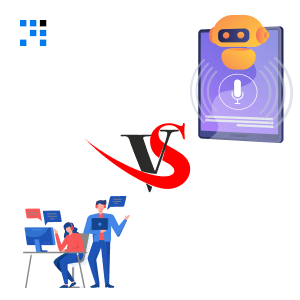
AI Voice Agent vs Customer Support Team: What Actually Works in 2026
AI voice agents handle most routine support calls, faster and cheaper than humans. They still fall short on complaints, disputes, and anything emotionally charged. The best setups in 2026 use both and split by what each one’s actually good at. Is your support team solving problems, or repeating answers? Picture a growing D2C brand. A… Continue reading AI Voice Agent vs Customer Support Team: What Actually Works in 2026
What are the Best Payment Apps Like Venmo in 2026 for P2P Payments
The best payment apps like Venmo in 2026 are PayPal, Cash App, Google Pay, Apple Pay, Revolut, Wise, Remitly, and Xoom. Each app solves a different gap that Venmo leaves open, including lower fees, crypto support, and cross-border payments. The right choice depends on who you’re sending money to, not on which app is most… Continue reading What are the Best Payment Apps Like Venmo in 2026 for P2P Payments
Android 17 Context‑Aware Apps: AppFunctions, Memory Limits & Gemini Readiness
Android 17 introduces AppFunctions, new memory limits, and deeper Gemini integration to support context-aware apps. These changes affect how users discover, interact, and stay engaged with Android apps. Is your app waiting to be opened or ready to be called? A parent photographs a paper school brochure. She says one sentence to her phone. Gemini… Continue reading Android 17 Context‑Aware Apps: AppFunctions, Memory Limits & Gemini Readiness
Android 17’s Bubble Interface: A New Era of Multitasking UX
Android 17’s Bubble Interface allows apps to run as floating windows on top of other apps. Users can resize, move, minimize, and reopen apps without losing their place, making multitasking faster and reduces interruptions. Is your app built for how Android users worked yesterday or how they’ll work tomorrow? Your user is mid-task in your… Continue reading Android 17’s Bubble Interface: A New Era of Multitasking UX
Apple’s 2026 App Store Update: How iOS Apps Compete in the US
Building an iOS app is no longer just about ranking for keywords in the App Store. Apple’s 2026 updates introduce new ways to influence discovery, improve retention, increase subscription revenue, and support enterprise adoption. If you’re building, scaling, or monetizing an iOS app, understanding these changes could directly impact your growth strategy. Is your app… Continue reading Apple’s 2026 App Store Update: How iOS Apps Compete in the US
Music Streaming Platform in 2026: Cost, Tech Stack, and Real-World Proof
A music streaming platform in 2026 costs between $45,000 and $500,000+ depending on features, infrastructure, and scope. An MVP takes 10 to 16 weeks. A full ecosystem with live streaming, NFT minting, and concert booking takes 8 to 12 months. Is your platform giving users a reason to stay or just a place to listen?… Continue reading Music Streaming Platform in 2026: Cost, Tech Stack, and Real-World Proof
How To Build Real Estate Software for Buyer Selection and Approvals
A real estate software is built around the buyer decision and typically costs between $15,000 and $150,000+, depending on how much scope the product covers. An MVP takes 8 to 12 weeks. A mid-level product takes 14 to 20 weeks. A full platform can take 8 months or more. Do your developers have visibility into… Continue reading How To Build Real Estate Software for Buyer Selection and Approvals
Senior Care App Development in 2026: What to Build First, Cost & Features
A senior care app typically costs between $18,000 and $300,000+, depending on how deep the platform goes. An MVP usually takes 8–12 weeks, a mid-level product takes 3–5 months, and a full ecosystem can take 6–9 months or more. Do seniors really adopt platforms first, or do they simply need something reliable they can trust?… Continue reading Senior Care App Development in 2026: What to Build First, Cost & Features
How to Design High-Performance APIs for Startups Targeting Global Markets
Why do APIs fail when traffic grows? Learn how to design high-performance NodeJs APIs that handle global users, reduce latency, and scale without breaking. Your API might work perfectly today, but that doesn’t mean it’s ready for global scale. For startups targeting international markets, performance directly impacts user experience, retention, and revenue across regions. What… Continue reading How to Design High-Performance APIs for Startups Targeting Global Markets
Create a Home Services App Like Urban Company (Complete Startup Guide)
How much does it cost to build an app like Urban Company in 2026? On average, an app like Urban Company takes 2 to 10 weeks to build and costs $3,000 to $10,000+, using NodeJs, MongoDB, and React Native for performance and scalability for on-demand home service platforms. If you run a service business or… Continue reading Create a Home Services App Like Urban Company (Complete Startup Guide)
Which Tech Stack Should I Choose for My Startup’s Web App in 2026
Not sure which tech stack to use for your startup? Learn how to choose the best web app tech stack based on your goals, budget, and scalability needs in 2026. Choosing the right tech stack for startups is one of the most critical decisions you’ll make in 2026. It directly impacts how fast you launch,… Continue reading Which Tech Stack Should I Choose for My Startup’s Web App in 2026
How Do We Estimate Realistic Project Timelines Without Overpromising
One of the most common complaints clients have is this: The timeline sounded great, but delivery got delayed. Most software delays don’t happen because teams are careless. They happen because timelines are guessed instead of estimated. We follow a simple rule: We don’t commit fast; we commit correctly. Explore some of the project estimation best… Continue reading How Do We Estimate Realistic Project Timelines Without Overpromising
Why Do SaaS Companies See 25% Higher User Retention After Migrating to React.js
Most SaaS products don’t fail because of bad ideas; they fail because users quietly stop coming back. You launch new features. You push updates every sprint. Yet churn keeps increasing. This is one of the most common SaaS user retention problems we see today. The real issue is how users experience it. Many SaaS platforms… Continue reading Why Do SaaS Companies See 25% Higher User Retention After Migrating to React.js